


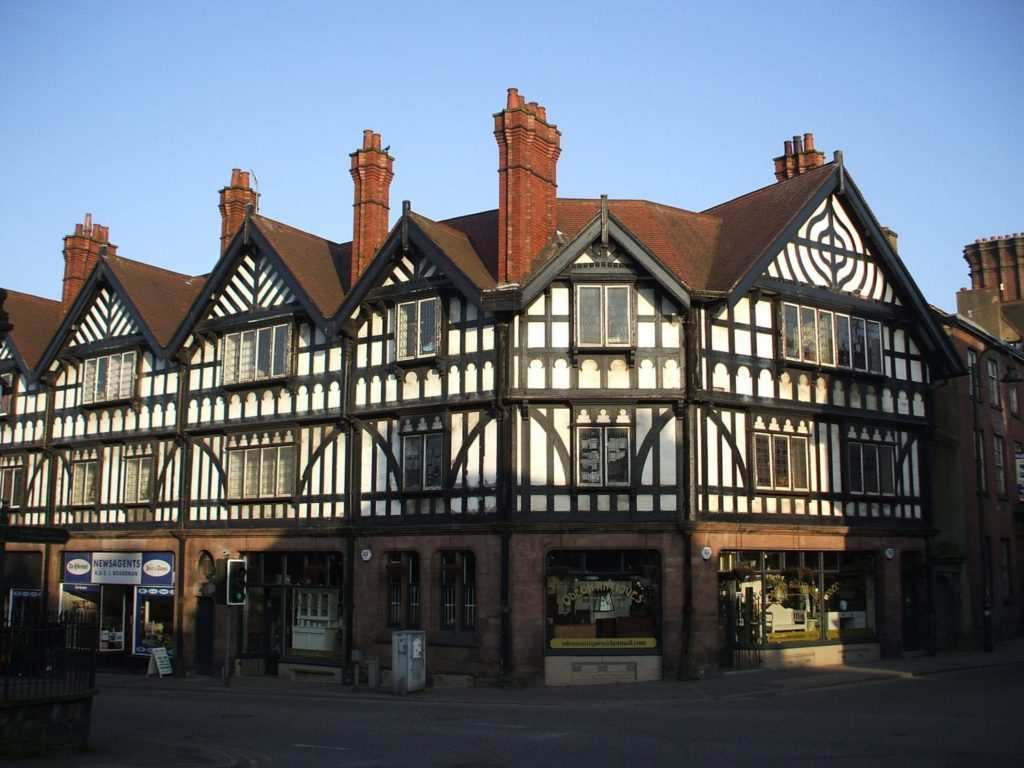
Leek: The Queen of the Moorlands
The bustling market town of Leek is situated on the south-western edge of the Peak District, and is known locally as The Queen of the Moorlands. It has plenty to offer the visitor, and is set in the most stunning landscape of the Staffordshire Peak District, on the banks of the River Churnet.
Planning a visit? Our comprehensive guide covers everything you need to know, from top attractions and walking routes to practical tips for making the most of your trip to this beautiful Staffordshire market town.
A Market Town with History
Leek has been a market town for hundreds of years, having been granted a royal charter in the 13th Century to hold a cattle market every Wednesday. At that time the economy of the town was based largely on agriculture, although it became a centre for the textile industry following the industrial revolution. There are still numerous markets held weekly in the town, including food markets and craft fairs.
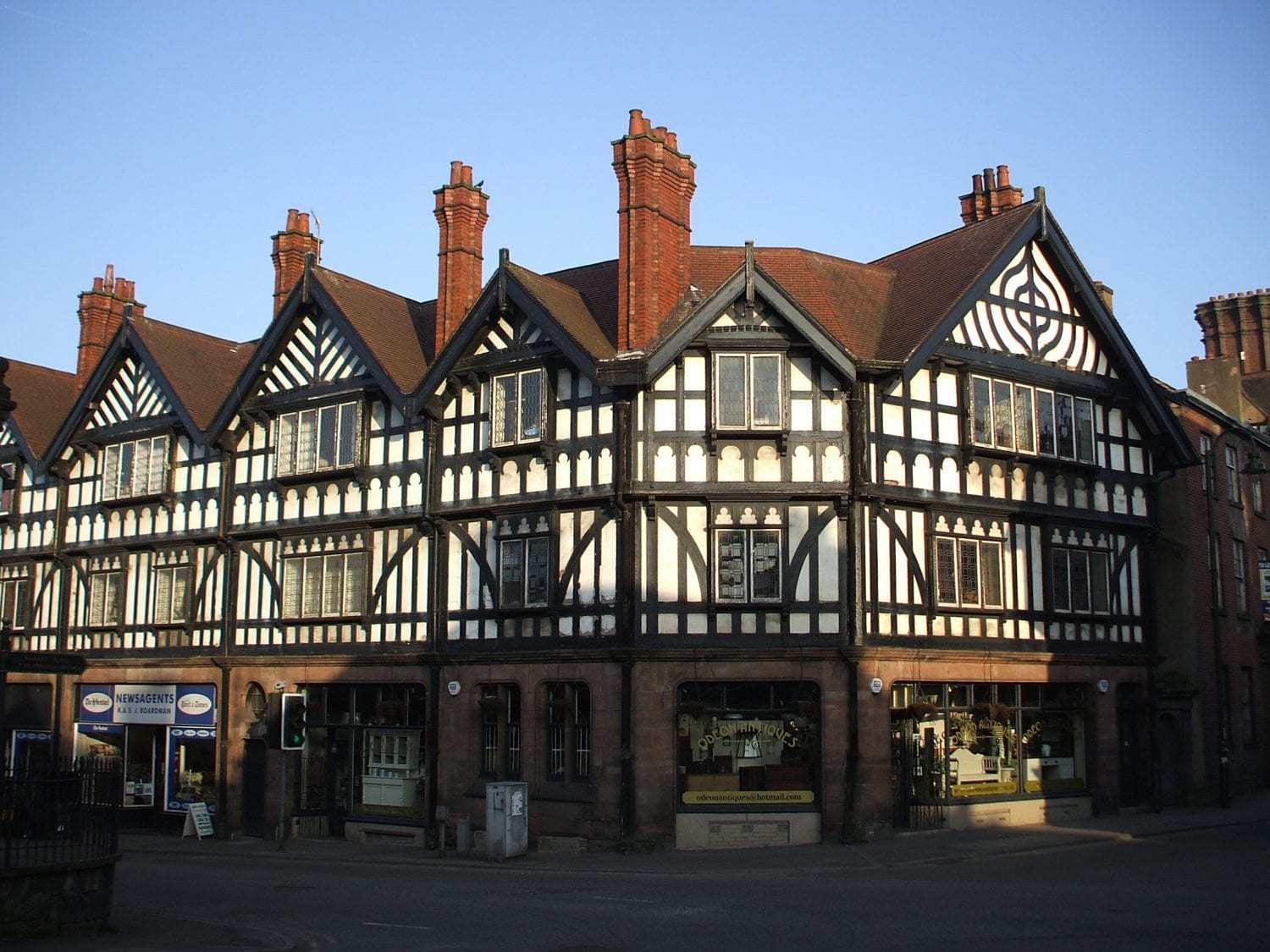
Victorian Architecture
Leek has some fine Victorian architecture, with many of the buildings designed by the same 19th Century architectural firm, Sugden & Son, a local family business. William Sugden designed many of the stations on the Churnet Valley Railway line, and his son, Larner, continued in his father’s tradition. The firm’s designs include Leek’s Trinity Church, the Mill Street Methodist Chapel and Ragged School, the Cottage Hospital, the West Street School, the District Bank and the Leonard Street Police Station.
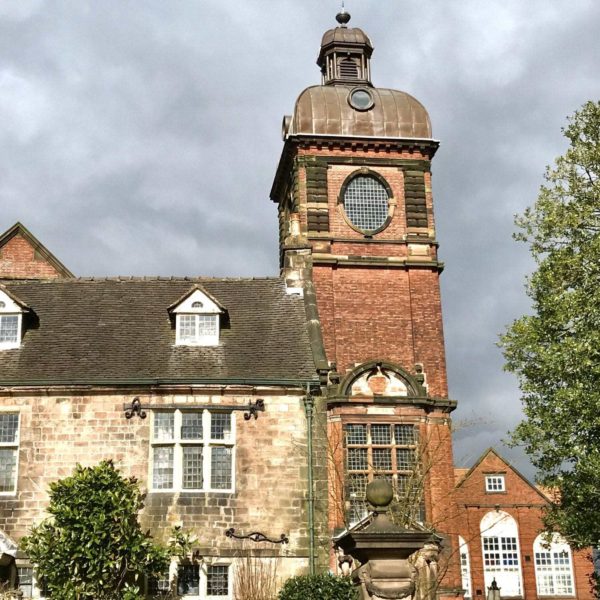
Sugden & Son also designed Leek’s magnificent Nicholson Institute in 1882, which still dominates the skyline today. This beautiful building was created to provide the people of the town with easy access to the arts and literature, and it housed a museum, library, art gallery and school of art. There were also music recitals and lectures held regularly, and the Nicholson Institute attracted the great and good of the time, including William Morris, D H Lawrence, Oscar Wilde and John Betjeman. It still holds an impressive collection of paintings, ceramics and embroideries, and has a busy programme of exhibitions and events.
Shopping and Local Business
Leek has long been a pioneer of promoting local businesses, and the town recently introduced an initiative called Totally Locally Leek, set up to encourage residents and visitors to shop locally. This has supported the wealth of independent shops, cafés and pubs in the town, as well as a wonderful Makers’ Market on the first Sunday of every month, featuring award-winning food producers and artisan craftspeople.
Leek was the home of James Brindley, the 18th Century millwright and canal engineer, and Brindley’s Mill and Museum is well worth a visit. The working corn mill, dating from 1752, has been restored to showcase the work of James Brindley and the history of milling.
Brindley’s Mill and Museum
A working corn mill dating from 1752, restored to showcase the work of James Brindley and the history of milling.
Around and About Near Leek
Leek is situated on a hill in the beautiful Staffordshire Moorlands countryside, and is perfectly located for exploring the great outdoors. The town lies just south of an impressive gritstone edifice made up of The Roaches, Ramshaw Rocks and Hen Cloud. The rocks rise to 1,657 feet and are very popular with hikers, runners and climbers.

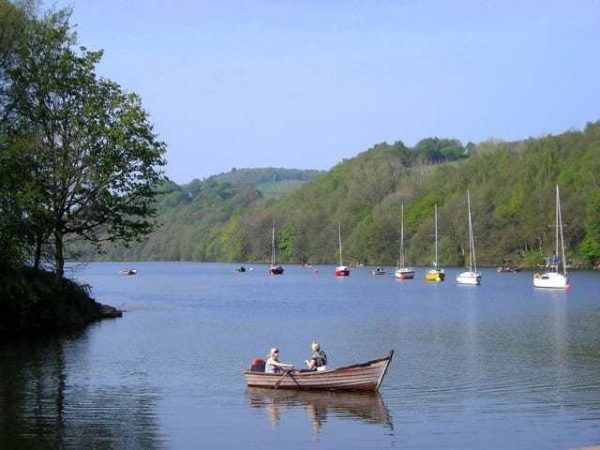
Outdoor enthusiasts will also love the town’s proximity to Rudyard Lake and Tittesworth Reservoir, both picturesque lakes that support a range of outdoor pursuits, including sailing, canoeing and fishing, as well as hiking, running and cycling. Rudyard Lake covers 168 acres and is over 2 miles long, surrounded by beautiful wooded countryside. Tittesworth Reservoir is no less impressive, and also has fabulous lakeside trails.
Thrill-seekers of all ages will be happy at Alton Towers Resort, only a few miles out of Leek. It is an enormous theme park, water park and hotel complex, with plenty to keep the whole family occupied for days.
For more gentle thrills, the Churnet Valley Railway at Cheddleton is also well worth exploring, a heritage railway line that runs for 10 miles from Kingsley & Froghall station to Ipstones. Or head for Coombes Valley RSPB Reserve, a woodland wildlife reserve since 1963. It has many beautiful nature trails and birdwatching viewpoints.
Where to Stay in Leek
Leek offers a range of accommodation options to suit all budgets and preferences. From traditional inns to modern hotels and self-catering cottages, there is something for every visitor.
Accommodation Options
- Traditional inns and pubs with rooms
- Modern hotels in the town centre
- Charming guest houses and B&Bs
- Self-catering cottages in the surrounding countryside
- Camping and caravan sites nearby
Top Tips for Your Leek Visit
- Best Time to Visit: Spring and summer offer the best weather for exploring the surrounding moorland and lakes. Autumn brings stunning colours to the countryside.
- Getting There: Leek is accessible by car via the A53 and A523, and has bus connections from Stoke-on-Trent and Buxton.
- Parking: There are several car parks in the town centre, including near the market place.
- Don’t Miss: The magnificent Nicholson Institute, the independent shops and Makers’ Market, and the stunning views from The Roaches.
- Explore: Rudyard Lake, Tittesworth Reservoir, and the Churnet Valley Railway for a taste of the local landscape and heritage.
Frequently Asked Questions About Leek
Is Leek worth visiting?
Absolutely! Leek is a vibrant market town with fine Victorian architecture, independent shops, and a stunning location on the edge of the Peak District. It is the perfect base for exploring the Staffordshire Moorlands.
What is Leek famous for?
Leek is famous for its Victorian architecture designed by Sugden & Son, the magnificent Nicholson Institute, its weekly markets, and its location near The Roaches, Rudyard Lake and Tittesworth Reservoir.
What is the Nicholson Institute?
The Nicholson Institute is a magnificent building designed by Sugden & Son in 1882. It housed a museum, library, art gallery and school of art, and attracted famous visitors including William Morris, D H Lawrence, Oscar Wilde and John Betjeman.
Who was James Brindley?
James Brindley was an 18th Century millwright and canal engineer who lived in Leek. Brindley’s Mill and Museum is a working corn mill dating from 1752, restored to showcase his work.
What is The Roaches?
The Roaches is an impressive gritstone ridge rising to 1,657 feet, located just south of Leek. It is very popular with hikers, runners and climbers.
Is there a market in Leek?
Yes! Leek has held markets for hundreds of years. There are still numerous markets held weekly, including food markets and craft fairs, as well as a Makers’ Market on the first Sunday of every month.
What is there to do near Leek?
Nearby attractions include The Roaches, Rudyard Lake, Tittesworth Reservoir, Alton Towers Resort, the Churnet Valley Railway, and Coombes Valley RSPB Reserve.
For more information about visiting the area, explore the official Peak District National Park visiting guide and plan your adventure in this remarkable part of Staffordshire.