


Calver: A Picturesque Derwent Valley Village
Calver is a beautiful village situated in the Derwent Valley, surrounded by the most beautiful scenery.
Planning a visit? Our comprehensive guide covers everything you need to know, from top attractions and walking routes to practical tips for making the most of your trip to this beautiful Derbyshire village.
Ancient History
There is evidence that this part of the Derwent Valley has been inhabited since prehistoric times, and Calver itself is an ancient village, mentioned in the Domesday Book of 1086.
🚌 Bus Routes Serving This Area
The following bus routes serve Calver and the surrounding area:
🚏 Nearby bus stops:
- Crossroads (NW-bound) ↖ 65 66 X66 257 257A 257B 257a (0.1 mi) → 65, 66, X66, 257 Live TimesStreet View
- Calver Sough (N-bound) ↑ 65 257 257A 257a BLUE (0.2 mi) → 65, 257 Live TimesStreet View
- Calver Sough (S-bound) ↓ 65 257 257A 257a BLUE (0.2 mi) → 65, 257 Live TimesStreet View
- Crossroads (SE-bound) ↘ 65 66 X66 257 257B (0.2 mi) → 65, 66, X66, 257 Live TimesStreet View
🚏 Also on this route — places to visit along the way:
It is made up of three distinct areas: Calver Bridge, Calver Sough (pronounced ‘Suff’) to the north, and the main village itself.
The Main Village
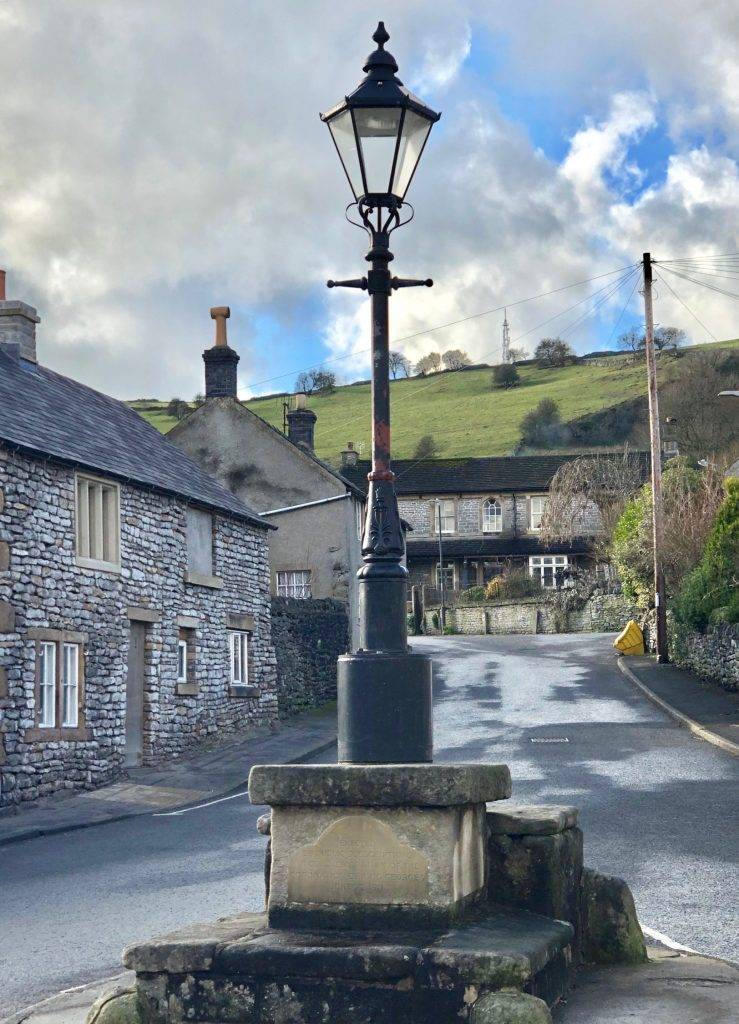
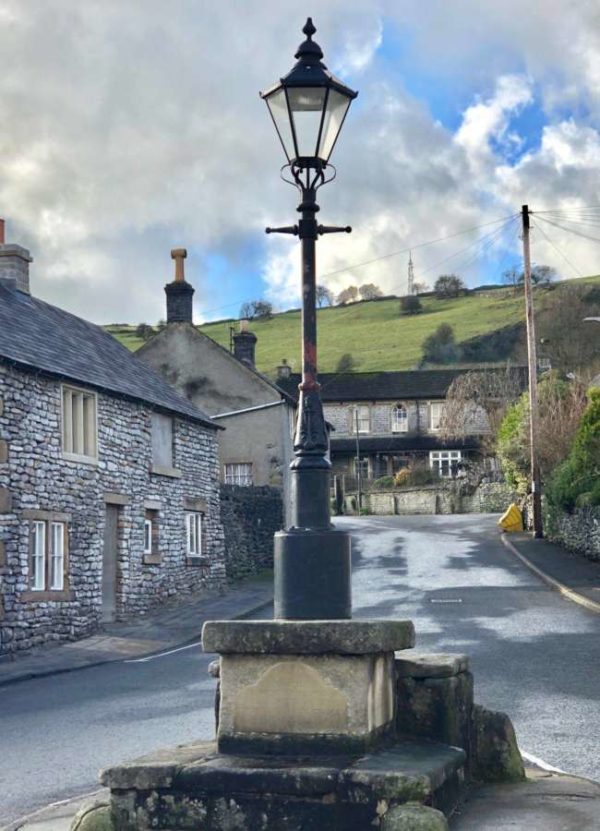
The older part of the main village has a cluster of lovely stone cottages gathered around an ancient village cross. Calver Cricket Club is one of the oldest cricket clubs in the country.
Calver Bridge and Mill
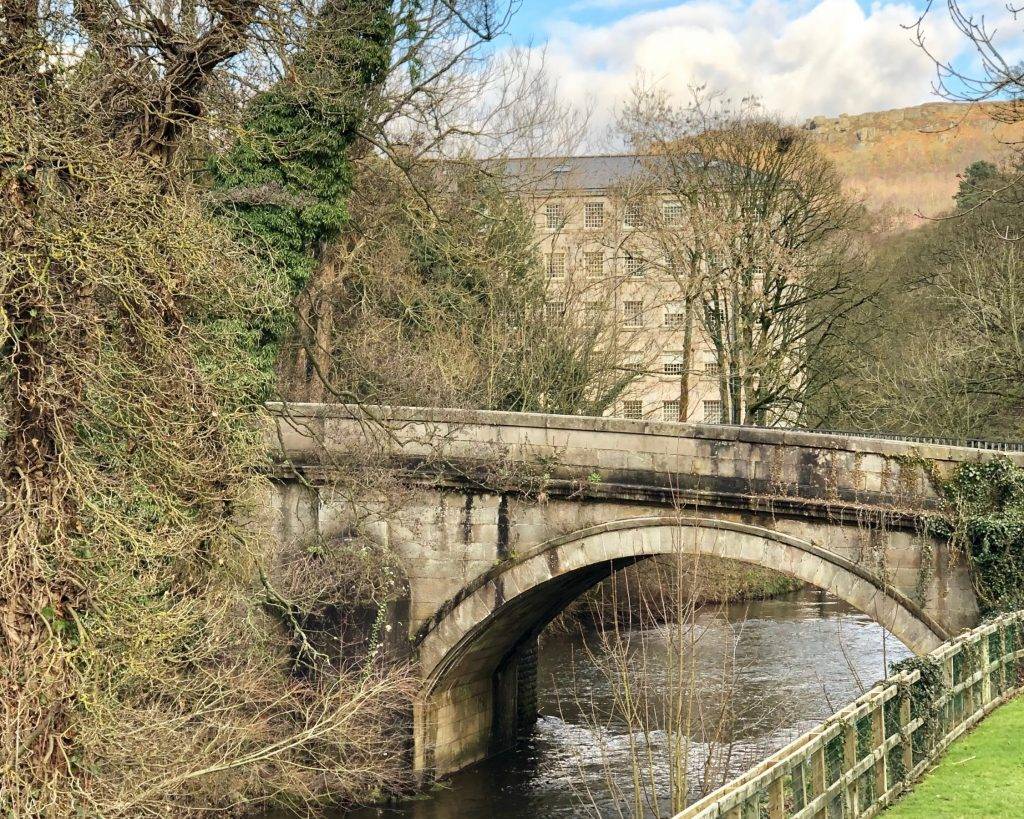
The area known as Calver Bridge is positioned on the River Derwent, where a beautiful 18th Century bridge crosses the water at the historic Calver Mill. Now converted into accommodation, Calver Mill was once a cotton mill, built in 1804, after an earlier building on the site was washed away when the river flooded in 1799. Spinning continued at Calver Mill until 1923, but after the Second World War the mill was used in the production of stainless steel. Today the area has a busy craft centre and gift shop, an art gallery and a pub, The Bridge, with a beautiful riverside beer garden.
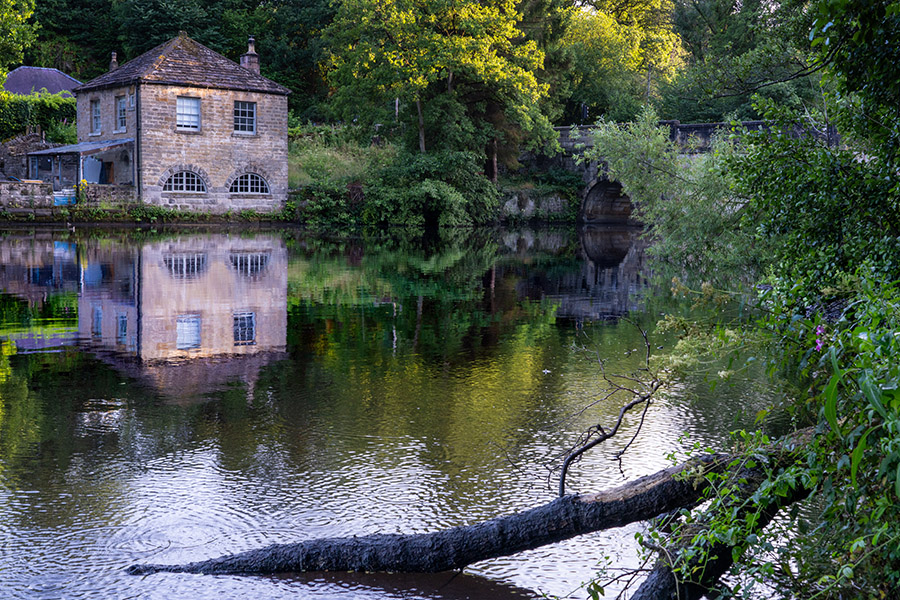
Adjacent to the weir at Calver stands the historic Shuttle House, a building that originally housed the mechanisms that controlled the sluice and water flow into Calver Mill, the six-storey former textile mill on the River Derwent. Today, the Shuttle House stands as a reminder of Calver’s industrial heritage, its distinctive architecture adding to the charm of this riverside area.
Calver Sough
The area around Calver was traditionally a lead mining area. The term ‘Sough’ relates to the underground channels, or soughs, that were dug to prevent the lead mines from flooding. Happily, in Calver Sough today visitors will find only lovely cafes, an outdoor retail shop, a traditional sweet shop, a garden centre and a further pub, The Eyre Arms.
Where to Stay in Calver
Calver offers a range of accommodation options to suit all budgets and preferences. From the historic Calver Mill to charming guest houses and self-catering cottages, there is something for every visitor.
Accommodation Options
- Calver Mill – historic mill converted into accommodation
- The Derwentwater Arms – traditional pub with rooms
- Charming guest houses and B&Bs
- Self-catering cottages in the surrounding countryside
- Camping and caravan sites nearby
Top Tips for Your Calver Visit
- Best Time to Visit: Spring and summer offer the best weather for exploring the Derwent Valley. Autumn brings stunning colours to the surrounding countryside.
- Getting There: Calver is accessible by car via the A623, located between Bakewell and Chesterfield.
- Parking: There is parking available in the village, including near Calver Mill and The Bridge pub.
- Don’t Miss: The ancient village cross, the beautiful 18th Century bridge, and the historic Shuttle House.
- Explore: The three distinct areas of Calver – the main village, Calver Bridge and Calver Sough – each offer their own unique charm.
Frequently Asked Questions About Calver
Is Calver worth visiting?
Absolutely! Calver is a beautiful village in the Derwent Valley with a fascinating history, lovely stone cottages, a historic mill, and a charming riverside setting.
What is Calver famous for?
Calver is famous for its historic mill, the beautiful 18th Century bridge over the River Derwent, its ancient village cross, and its three distinct areas: Calver Bridge, Calver Sough and the main village.
How old is Calver?
Calver is an ancient village mentioned in the Domesday Book of 1086, with evidence of settlement in the area dating back to prehistoric times.
What is Calver Sough?
Calver Sough is an area to the north of the main village. The name relates to the underground channels, or soughs, that were dug to prevent lead mines from flooding.
What is the history of Calver Mill?
Calver Mill was built in 1804 as a cotton mill, replacing an earlier building washed away in the 1799 flood. It operated until 1923 and later produced stainless steel. It is now converted into accommodation.
What is the Shuttle House?
The Shuttle House is a historic building adjacent to the weir at Calver. It originally housed the mechanisms that controlled the sluice and water flow into Calver Mill, the six-storey former textile mill on the River Derwent.
For more information about visiting the area, explore the official Peak District National Park visiting guide and plan your adventure in this remarkable part of Derbyshire.