



Visitor Guide to the Peak District
Welcome to the Peak District. As the UK’s original National Park, established in 1951, this breathtaking landscape has been welcoming visitors for over seventy five years. Straddling the heart of England across five counties, the Peak District offers an extraordinary tapestry of wild moorland, tranquil dales, charming villages, and fascinating cultural attractions. Whether you are a first-time visitor or a seasoned explorer, this guide will help you discover the very best of this remarkable region.
Understanding the Peak District Landscape
Before you begin exploring, it helps to understand the three distinct landscapes that define the national park. Each offers a completely different experience.
The White Peak
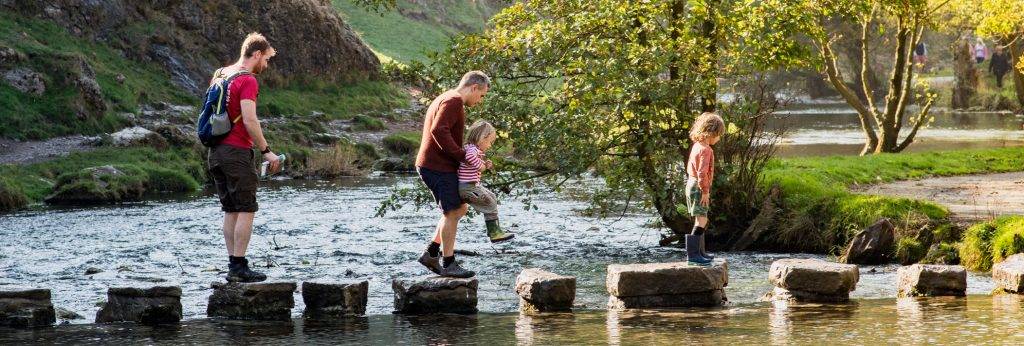
The White Peak derives its name from the underlying limestone, which creates a landscape of gentle, rolling hills carved by beautiful river dales, or ‘dales’. This area, centred on the towns of Bakewell, Ashbourne and Wirksworth, is characterised by verdant green pastures divided by traditional drystone walls. The valleys, such as Dovedale, Lathkill Dale and Monsal Dale are renowned for their dramatic limestone ravines, rock formations and crystal-clear rivers. Here, you will find some of the Peak District’s most famous stately homes, including Chatsworth and Haddon Hall, along with charming villages built from the distinctive local limestone.
The Dark Peak
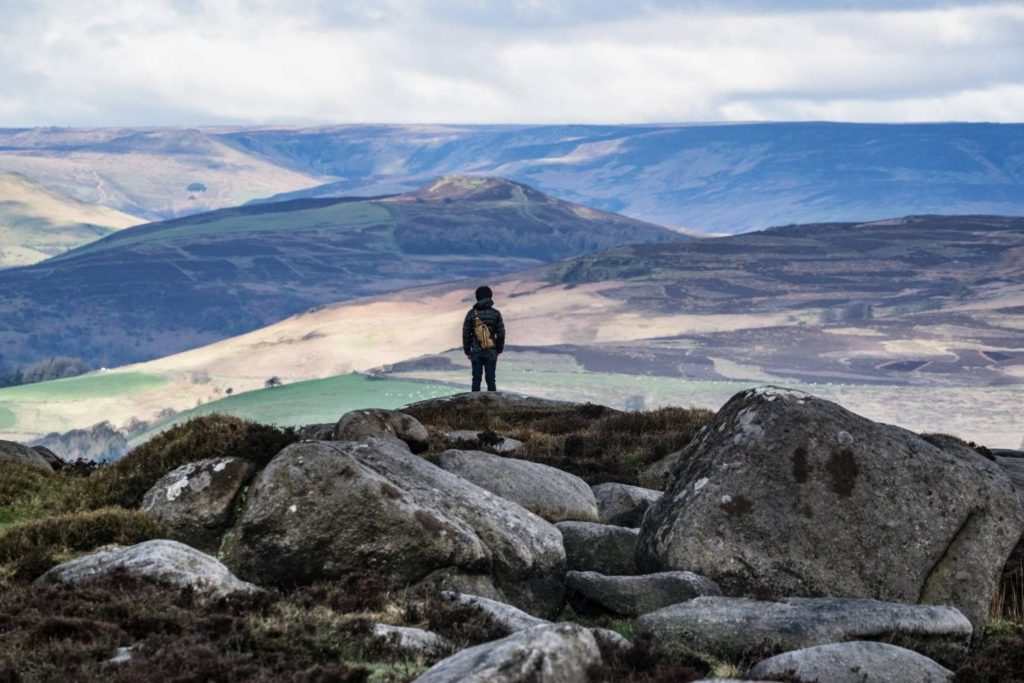
To the north and east lies the Dark Peak, a wilder, more rugged landscape dominated by gritstone. This area takes its name from the dark colour of the millstone grit that forms its foundation. Here, the terrain opens up into vast expanses of heather moorland, peat bogs, and dramatic gritstone edges, cliff faces beloved by walkers and climbers alike. Kinder Scout, the Peak District’s highest point, lies here, as does the vast Derwent Valley with its imposing reservoirs. The villages of the Dark Peak, such as Edale, Castleton and Hathersage, are built from the darker gritstone, giving them a more robust, brooding appearance that perfectly complements the surrounding landscape.
The South West Peak
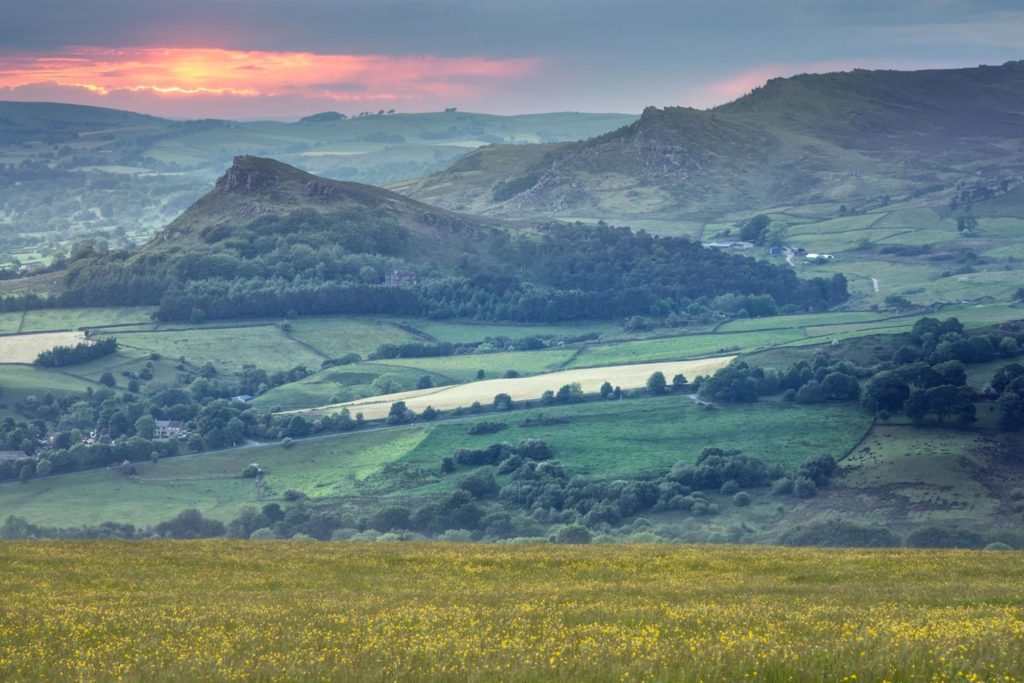
Often overlooked but equally magnificent, the South West Peak is a transitional landscape between the White and Dark Peaks. Covering parts of Staffordshire and Cheshire, this area is characterised by rolling hills, wooded valleys, and open moorland. It is quieter, more remote, and offers some of the most spectacular walking country in the national park. The Roaches and Hen Cloud provide dramatic gritstone ridges, while the Manifold and Dove Valleys carve their way through limestone scenery. This is a land of deep history, with ancient routes and isolated farmsteads that speak to centuries of human endeavour.
Towns and Villages of the Peak District
The Peak District is not just a landscape; it is a living, working region with communities that have shaped the land for thousands of years. Exploring its towns and villages is an essential part of any visit.
The Derbyshire Peak District
Derbyshire claims the largest share of the national park and is home to many of its most famous locations.
Bakewell is the undisputed capital of the Peak District. This elegant Georgian town on the banks of the River Wye is famous for its delicious Bakewell pudding (not to be confused with the almond-flavoured Bakewell tart found elsewhere). Its Monday market has been held for over 700 years, and its narrow streets are lined with independent shops, bookshops, and excellent places to eat.
Castleton, nestling at the head of the Hope Valley, is one of the Peak District’s most visited villages. Dominated by the ruins of Peveril Castle, this picturesque settlement sits atop a labyrinth of show caves… Peak Cavern, Speedwell Cavern, Treak Cliff Cavern and Blue John Cavern, where the rare Blue John stone is still mined today.
Buxton is a elegant spa town, its Georgian and Victorian architecture reflecting its history as a centre for health and wellbeing. The magnificent Buxton Opera House offers a year-round programme of theatre and music, while the natural thermal springs that attracted the Romans continue to flow beneath the stunning Crescent.
Matlock Bath, often described as a ‘miniature Switzerland‘, is a unique riverside village that developed as a tourist destination in the 19th century. Today, it offers the Heights of Abraham cable cars, Gulliver’s Kingdom theme park, and the Peak District Mining Museum.
Ashbourne is the elegant gateway to Dovedale and the southern Peak District. Its wide main street is lined with historic coaching inns and independent shops, and it serves as the starting point for the famous Tissington and High Peak Trails.
Other Derbyshire gems include Wirksworth with its artistic community, Tideswell with its magnificent ‘Cathedral of the Peak’, Eyam—the historic ‘plague village’—and the climbing centres of Hathersage and Edale.
The Staffordshire Peak District
The Staffordshire Moorlands offer a quieter, more remote experience. Leek is the recognised ‘Moorlands Capital’, a historic market town known for its textile heritage and as a gateway to the Roaches. The villages of Alstonefield, Warslow and Longnor are picture-perfect stone-built settlements surrounded by some of the finest scenery in the national park. Ilam, with its picturesque almshouses and views across Dovedale, is one of the most photographed villages in the country.
The Cheshire Peak District
Cheshire’s portion of the Peak District is small but perfectly formed. The canal-side town of Bollington offers delightful walks along the Macclesfield Canal, while the village of Kettleshulme sits high on the Cheshire plain with spectacular views across the Goyt Valley. The market town of Macclesfield, just on the edge of the national park, provides excellent shopping and dining options, along with access to the historic Macclesfield Forest.
The Yorkshire Peak District
The Yorkshire section of the national park covers the north-eastern edge, where the Peak District meets the Pennines. Villages such as Langsett and Crowden offer access to some of the wildest, most remote moorland scenery in the region. This is walking country par excellence, with long-distance routes leading across dramatic landscapes towards Holme Moss and the Woodhead Valley.
Ancient Sites and Monuments
The Peak District has been inhabited for thousands of years, and evidence of our ancient ancestors is scattered across the landscape. Arbor Low, often called the ‘Stonehenge of the North’, is a magnificent Neolithic henge monument overlooking the White Peak. Its circle of fifty recumbent limestone slabs, surrounded by a massive bank and ditch, remains one of the most atmospheric ancient sites in Britain.
Nearby, Gib Hill is a large Bronze Age burial mound, while the Nine Ladies stone circle on Stanton Moor speaks to the ritual importance of this landscape. On the gritstone edges, you will find Robin Hood’s Stride and the mysterious Hermit’s Cave, along with countless prehistoric ‘barrows’—burial mounds—that dot the skyline. For those interested in prehistory, the Peak District offers an unparalleled opportunity to walk in the footsteps of our Neolithic and Bronze Age ancestors.
Art, Culture and Attractions
Beyond the natural beauty lies a vibrant cultural scene. The Peak District has inspired artists, writers and creators for centuries, and that creative spirit thrives today.
World-Famous Country Houses
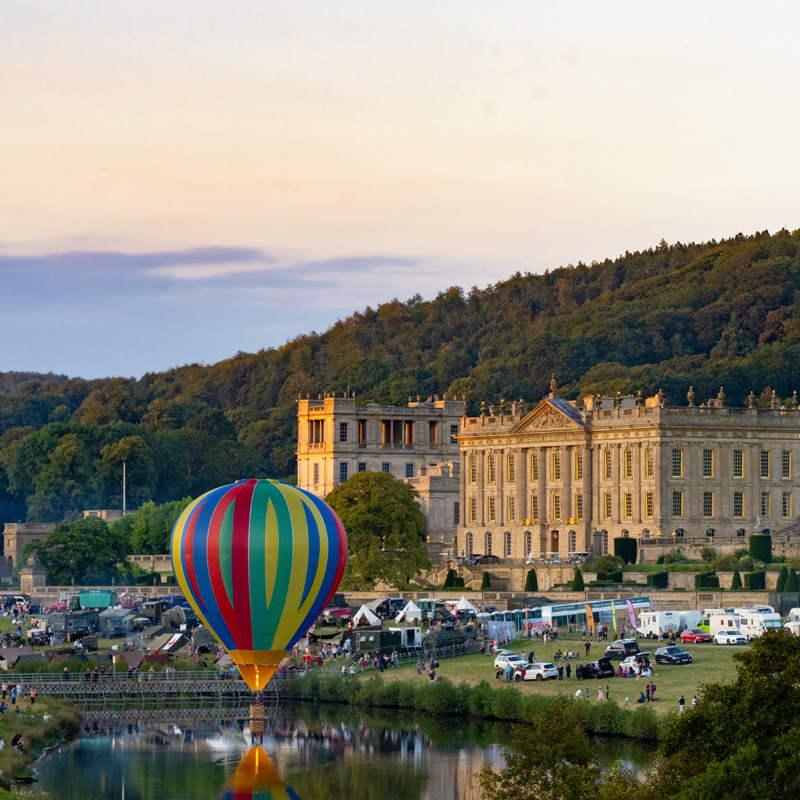
Chatsworth House, seat of the Devonshire’s, is one of Britain’s finest stately homes. Set in magnificent parkland alongside the River Derwent, this stunning house has been in the same family for over 500 years. Its interiors are breathtaking, its art collection world-class, and its gardens including the magnificent Emperor Fountain are among the finest in Europe.
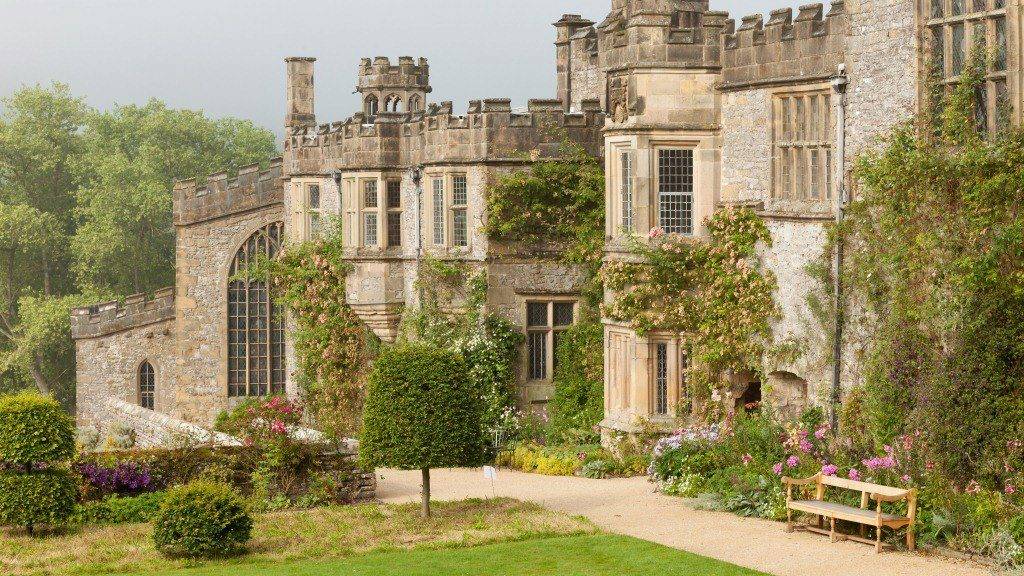
Haddon Hall, near Bakewell, offers a different experience. This medieval manor house, largely unchanged for centuries, is one of the most complete and authentic examples of its kind in England. Its romantic terraced gardens and Tudor banqueting hall have made it a favourite location for film and television productions.
Underground Adventures
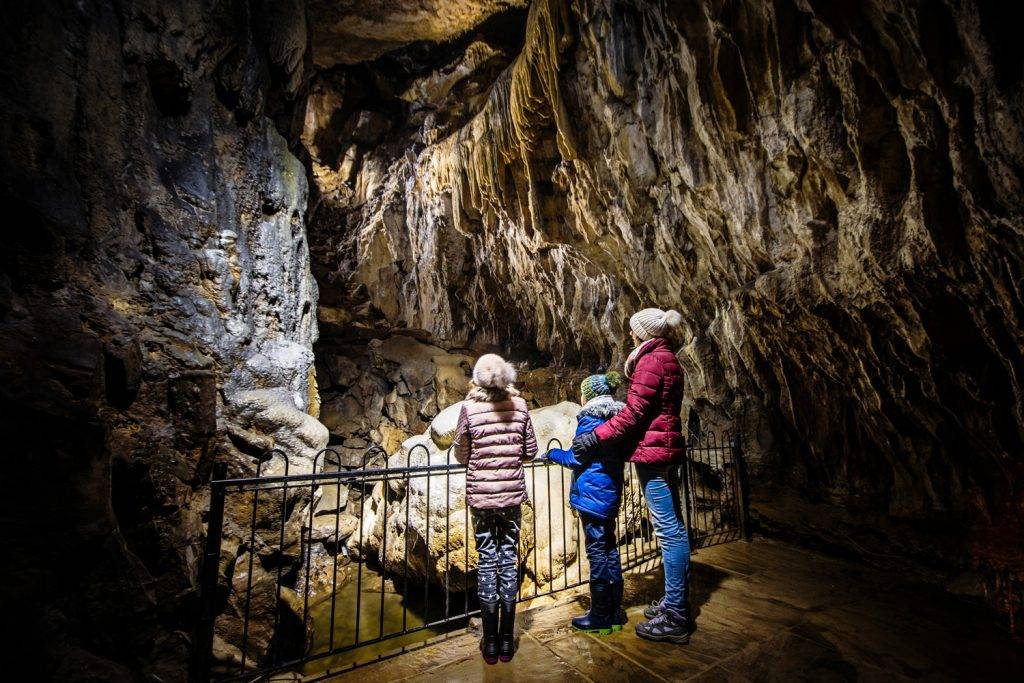
The Peak District’s limestone geology has created a fascinating underworld. Poole’s Cavern near Buxton offers a guided journey through spectacular caverns adorned with stalactites and stalagmites, used by humans for thousands of years. The Castleton show caves each offer a unique experience: Peak Cavern (famously known as the ‘Devil’s Arse’) was once a centre for rope-making; Speedwell Cavern takes visitors on an underground boat trip through a flooded lead mine; and Treak Cliff Cavern showcases the beautiful Blue John stone.
Theatres and Performance
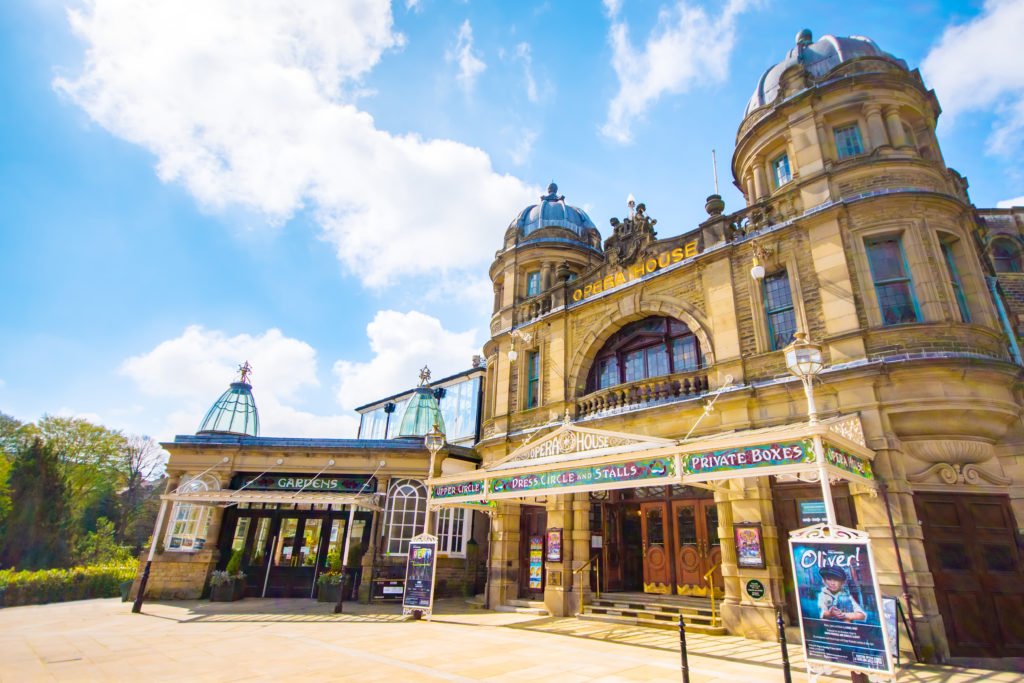
Buxton Opera House, an exquisite Edwardian theatre designed by Frank Matcham, offers a rich programme of opera, drama, dance and cinema. Together with the neighbouring Pavilion Arts Centre, it provides a cultural hub for the High Peak and beyond.
Museums and Heritage
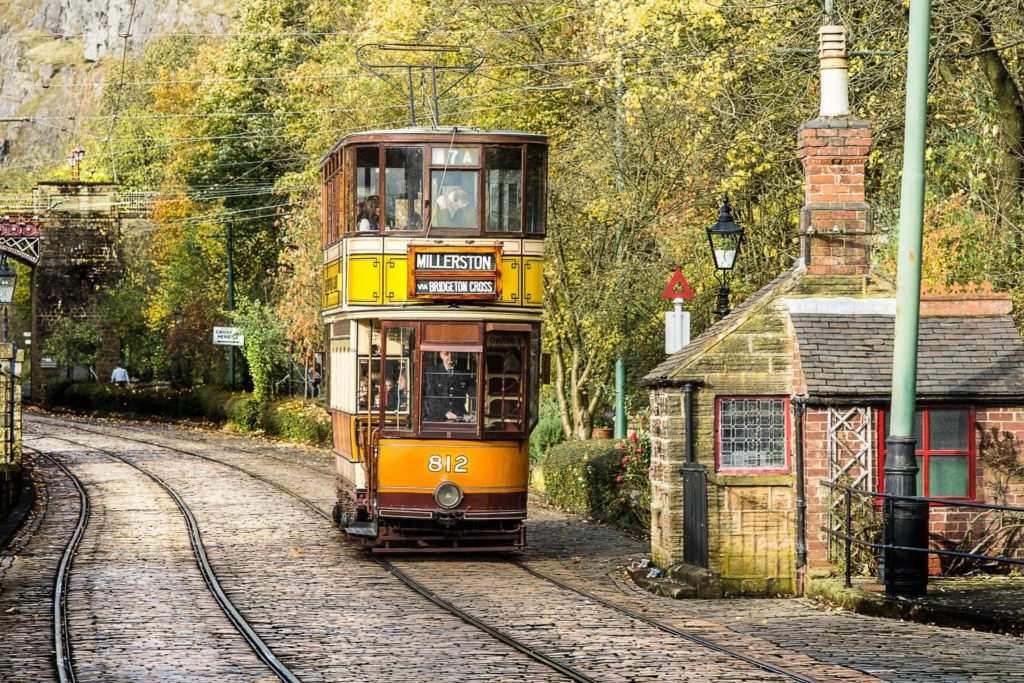
The Peak District Lead Mining Museum in Matlock Bath tells the story of the industry that shaped much of the landscape. Eyam Museum movingly recounts the story of the ‘plague village’, which isolated itself in 1665 to prevent the disease from spreading. Crich Tramway Village is a wonderful living museum where visitors can ride vintage trams through a recreated period village.
Family Attractions
The Peak District offers superb family days out. The Heights of Abraham provides a stunning cable car ride up to hilltop caverns and exhibitions. Gulliver’s Kingdom and Alton Towers Resort offer theme park thrills on the edge of the national park. Matlock Farm Park, Peak Wildlife Park, and Wild Park Derbyshire provide hands-on animal encounters and outdoor adventures. For car enthusiasts, the Great British Car Journey tells the story of the British motor industry through an interactive display.

Brewers, Vineyards and Local Produce
The Peak District’s food and drink scene has undergone a renaissance in recent years. Local breweries such as Thornbridge, Peak Ales and Buxton Brewery have earned international reputations for their exceptional beers. These breweries often offer tours and tasting experiences, allowing visitors to sample the very best of Peak District brewing.
The region’s vineyards and distilleries are also gaining recognition. The unique microclimates of the White Peak provide excellent conditions for grape growing, while local distillers are creating award-winning gins using botanicals foraged from the surrounding hills. The North East Derbyshire Food & Drink Trail is an excellent way to explore the region’s culinary landscape, taking visitors from farm shops and delis to award-winning pubs and restaurants.
The Great Outdoors
The great outdoors is the reason the Peak District exists. As the first national park in the UK, it was designated to protect this beautiful landscape and to provide opportunities for public enjoyment.
Walking
With thousands of miles of public footpaths and bridleways, the Peak District is a walker’s paradise. The Pennine Way, Britain’s first national trail, begins in Edale and heads north towards Scotland. The Limestone Way meanders through the White Peak from Castleton to Rocester. The Derwent Valley Heritage Way follows the River Derwent from its source on Bleaklow down to Derby.
For shorter walks, the dales of the White Peak offer gentle riverside ambles with spectacular scenery. Dovedale, with its famous stepping stones, is justifiably popular. Monsal Dale, with its magnificent railway viaduct, offers accessible walking with breathtaking views. Lathkill Dale, often described as the most beautiful of the limestone dales, provides a quieter alternative.
In the Dark Peak, the challenge increases. The ascent of Kinder Scout from Edale is a rite of passage for serious walkers, while the Great Ridge between Lose Hill and Mam Tor offers one of the finest ridge walks in England. The Stanage Edge provides dramatic cliff-top walking with endless views across the Hope Valley.
Cycling and Mountain Biking
The Peak District is one of the UK’s premier cycling destinations. The Monsal Trail, a traffic-free route along a former railway line, offers easy family cycling through tunnels and over spectacular viaducts. The Tissington Trail and High Peak Trail provide similar experiences in the southern Peak District.
For mountain bikers, the challenge increases. The Ladybower, Howden and Derwent reservoirs offer superb off-road riding. The famous Cut Gate route crosses the moors from the Derwent Valley to Langsett. Bike hire centres at Parsley Hay, Ashbourne and elsewhere make it easy for visitors to explore on two wheels.
Rock Climbing and Adventure Sports
The gritstone edges of the Dark Peak are world-famous among climbers. Stanage Edge, over three miles long, offers hundreds of classic climbing routes. The Roaches in the South West Peak provides similarly spectacular climbing on both gritstone and rock. For those seeking adventure, Go Ape! at Buxton offers tree-top adventures, while Wild Park Derbyshire provides paintballing, quad biking and laser tag.
Watersports
The Peak District’s reservoirs offer excellent opportunities for watersports. The Derwent Valley reservoirs are popular for sailing, canoeing and paddleboarding, while Carsington Water provides a full range of water-based activities with excellent facilities.
Independent Shops and Shopping
Shopping in the Peak District is a world away from the high street. Our market towns and villages are home to a wealth of independent shops offering unique products and personal service.
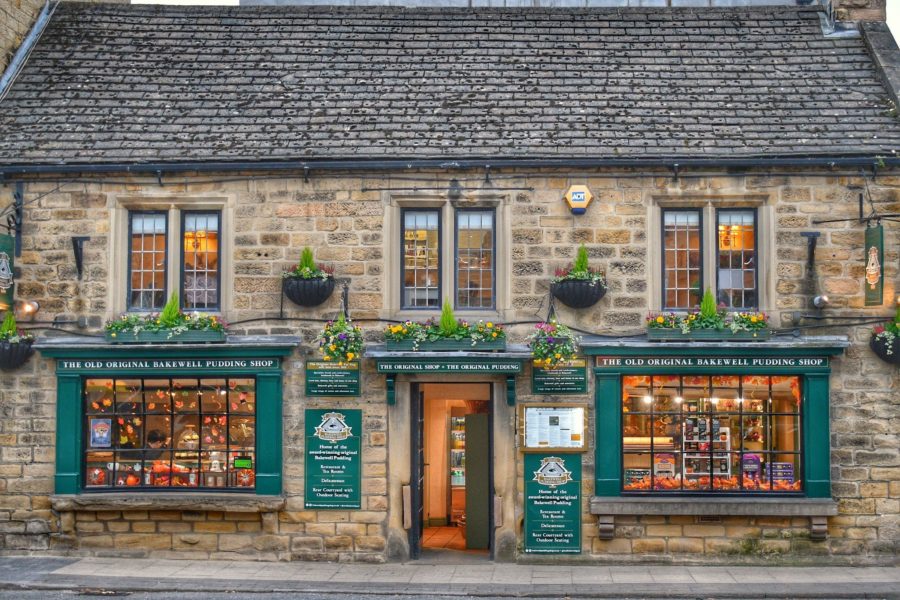
In Bakewell, you will find traditional butchers, bakers and cheesemongers alongside contemporary craft and design. The Old Original Bakewell Pudding Shop continues to sell the famous pudding according to the original recipe. Buxton offers a mix of independent retailers, antique shops and outdoor specialists. Castleton is famous for its Blue John jewellery, crafted from the locally-mined semi-precious stone.
Country clothing, outdoor gear, local books and maps, artisan foods and handcrafted gifts, the independent shops of the Peak District offer the perfect opportunity to take home a unique souvenir of your visit.
Peak District Events
Throughout the year, the Peak District comes alive with events celebrating its culture, heritage and community.
Well dressing, a custom unique to Derbyshire and the Peak District, takes place throughout the summer months. Villages decorate their wells with elaborate pictures created from natural materials—clay, petals, moss and seeds—in a tradition that may date back to pagan times. Each village holds its own well dressing week, often accompanied by carnivals, processions and celebrations.

Bakewell Show is one of the region’s premier agricultural shows, attracting thousands of visitors each August. Ashbourne’s Shrovetide Football, an ancient and chaotic game played through the town’s streets, is one of England’s most unusual traditions. Buxton’s Fringe Festival and Gilbert and Sullivan Festival bring world-class performance to the High Peak.
From Christmas markets in our historic towns to guided walks, food festivals and country fairs, there is always something happening in the Peak District.
Tourist Information Centres
The best place to start your Peak District adventure is at one of our Tourist Information Centres. Staffed by knowledgeable local experts, these centres provide free, impartial advice on everything the region has to offer. Whether you need help finding accommodation, planning a walking route, or discovering hidden gems, the friendly teams at our TICs are here to help. Centres can be found in Bakewell, Buxton, Castleton, and Ashbourne, among other locations.

A Year-Round Destination
The Peak District rewards visitors in every season. Spring brings carpets of wildflowers to the dales and newborn lambs to the pastures. Summer offers long days for walking and exploring, with events and activities filling the calendar. Autumn paints the woodlands in gold and russet, with crisp, clear days perfect for hillwalking. Winter transforms the landscape, with snow capping the highest peaks and frost sparkling on the gritstone edges.
Whenever you choose to visit, and whatever your interests, the Peak District welcomes you. From the grandeur of its stately homes to the intimacy of its hidden valleys, from the challenge of its highest peaks to the warmth of its village pubs, this is a landscape that rewards exploration and invites return. Let our guide help you plan your perfect Peak District adventure, and discover for yourself why this remains Britain’s most beloved national park.
