



The Ultimate Guide to Peak District Parking: Your Complete Companion for a Stress-Free Adventure
📊 Our Peak District Car Park Database
Live data from our comprehensive parking resource
The Peak District National Park is a haven for adventurers, families, and nature lovers. It is a landscape defined by sweeping moorlands, dramatic gritstone edges, and serene dales. However, anyone who has ever tried to visit a popular spot like Mam Tor or Dovedale on a sunny weekend knows that the experience can often be defined by one thing: the hunt for a parking space.
Finding a safe, legal, and convenient place to leave your car is the first, and arguably most important step of any Peak District adventure. To help you navigate this, we have created the most comprehensive digital resource for the park. At Let’s Go Peak District, we maintain an extensive database of parking sites, helping you to skip the stress and get straight to the scenery.
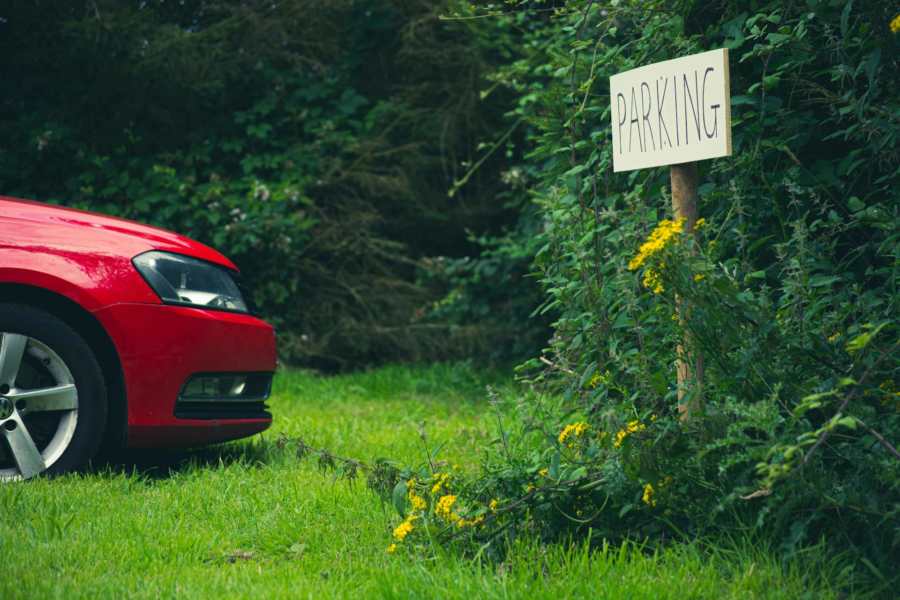
In this car parking guide, we’ll explore the rich history of this protected landscape, the organisations that care for it, and the different types of car parks you’ll encounter, from National Trust estates to hidden reservoir car parks. We’ll also show you how to use our interactive tools, including the Car Parks Map and Car Parks List, to make your next visit seamless, whether you are using Apple CarPlay, Android Auto, or simply exploring on mobile.
The Peak District National Park
The Peak District covers 555 square miles (1,438 square kilometres) across five counties: Derbyshire, Cheshire, Staffordshire, Yorkshire, and Greater Manchester. It is divided into three distinct geological areas: the Dark Peak, characterised by dramatic gritstone moorlands and edges; the White Peak, a softer limestone landscape of rolling hills, dales, and ancient villages; and the South West Peak, a transitional area of steep pastures, woodland, and rugged moorland fringes. The car parks we feature are strategically located to help visitors access all these distinct landscapes.
The National Trust in the Peak District
The National Trust’s presence in the Peak District is profound. The organisation owns and manages approximately 10% of the national park, including vast tracts of moorland, ancient woodlands, and historic estates. Unlike the national park authority, which is a statutory body focused on planning and conservation, the National Trust is a charity that relies on membership fees, donations, and car parking income to fund its conservation work.
The Trust’s acquisition of land in the Peak District began in earnest in the early 20th century. Today, their holdings include some of the most iconic landscapes in the region, such as the Longshaw Estate, the White Peak Estate (including Dovedale), and the High Peak Estate (including Mam Tor and Kinder Scout). When you pay for parking at a National Trust site, your money goes directly towards maintaining footpaths, repairing dry-stone walls, managing habitats, and keeping these cherished landscapes open for everyone to enjoy.
Our database features numerous National Trust car parks, ranging from the vast 220-space site at Dovedale to the small and tranquil Froggatt Car Park with just five spaces. Whether you are a National Trust member scanning your card for free parking or a visitor contributing to conservation, these car parks represent the enduring legacy of the Trust’s commitment to public access.
The Role of Water Companies: Reservoir Car Parks
One of the lesser-known but highly significant providers of parking in the Peak District are the water companies. The Peak District’s high rainfall and impermeable gritstone geology make it an ideal location for reservoirs, many of which were built during the Industrial Revolution to supply clean water to the growing cities of Manchester, Sheffield, and Derby.
Today, these reservoirs are managed primarily by Severn Trent Water and Yorkshire Water. What were once strictly functional industrial sites have evolved into vibrant recreational hubs. The water companies have invested significantly in public access, creating circular walking routes, cycle paths, and visitor facilities around their reservoirs.
Severn Trent Water Car Parks
Severn Trent manages a network of reservoirs across the southern and western edges of the Peak District, particularly in the Staffordshire and Derbyshire Dales. Popular sites include:
- Tittesworth Reservoir near Leek: A stunning site with a visitor centre, café, and a 3.5-mile circular walk. The car park is a popular base for families and offers easy-access paths suitable for pushchairs and wheelchairs.
- Carsington Water: One of the largest reservoirs in the region, Carsington boasts a massive car park, a cycle hire centre, a wildlife centre, and an 8-mile flat circular path that attracts walkers, runners, and cyclists in their thousands.
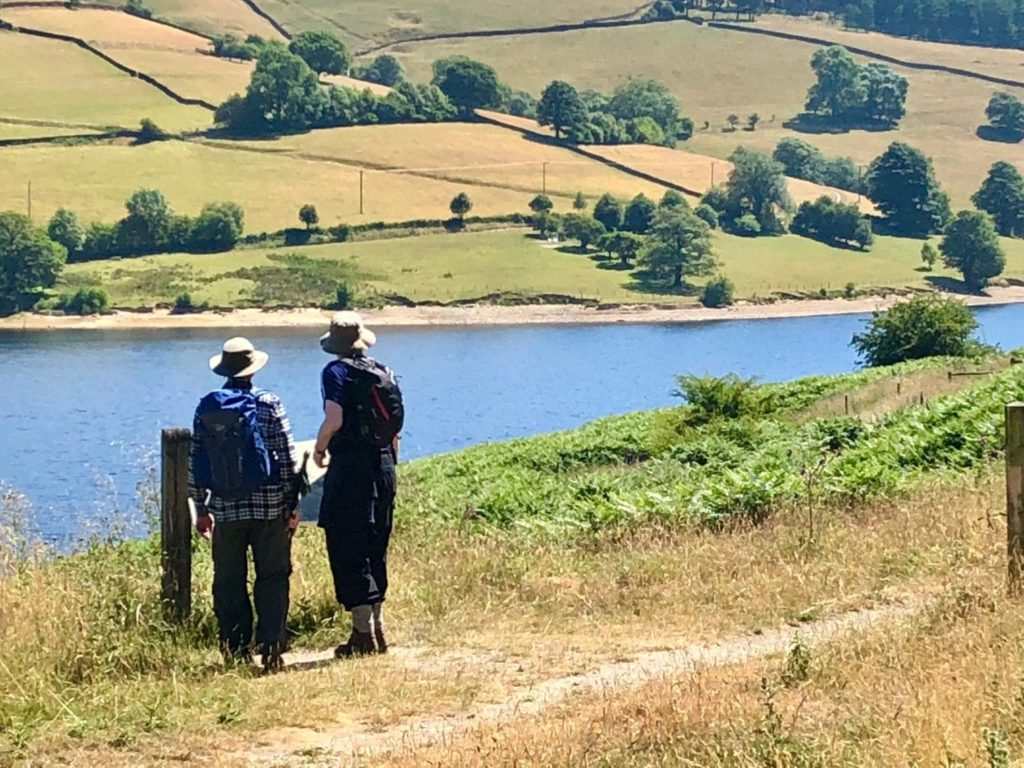
- Ladybower Reservoir: Located in the Upper Derwent Valley, Ladybower is managed in partnership with Severn Trent and the Forestry Commission. The car parks here provide access to the famous Derwent Dam, a site of historical significance (see below), as well as extensive woodland trails.
Yorkshire Water Car Parks
In the northern reaches of the national park, Yorkshire Water manages several iconic reservoirs, many of which are situated in the dramatic Upper Derwent Valley and beyond. These include:
- Langsett Reservoir: Located on the eastern edge of the park near Sheffield, Langsett offers free parking and access to woodlands, moorlands, and the Trans Pennine Trail.
- Ramsden Reservoir and Scout Dike Reservoir: Smaller, quieter sites that offer tranquil parking options for those seeking a less crowded experience.
Our database includes these reservoir car parks under the Reservoir filter, allowing visitors to easily identify these sites. They are particularly valuable because they often offer flat, accessible walking routes suitable for families, cyclists, and those with mobility considerations, a distinct contrast to the steep moorland paths found elsewhere in the park.
Why Parking Strategy Matters in the Peak District
With millions of visitors a year, the pressure on rural infrastructure is immense. Roadside parking, often referred to as “verge parking,” can damage fragile ecosystems, obstruct narrow country lanes for emergency vehicles and farm machinery, and lead to fines.
By utilising official car parks, whether managed by the National Trust, a water company, a local council, or a wildlife trust, you are not only ensuring your vehicle’s safety but also actively supporting the conservation efforts of the organisations that maintain these beautiful landscapes. Every pound spent on parking at a Severn Trent reservoir helps maintain water quality and public paths; every National Trust car parking fee contributes to preserving historic landscapes for future generations.
The Operators: Who Manages the Car Parks?
One of the most confusing aspects of visiting the Peak District is understanding who actually runs the car parks. The fees you pay, or don’t pay, usually go directly back into maintaining the specific area you are visiting. Our database categorises these operators so you know exactly what to expect.
The National Trust
As detailed above, the National Trust manages a vast portfolio of car parks across the Peak District. Their sites are typically well-maintained and strategically placed near major attractions.
You will find their sites ranging from large hubs to small countryside laybys. For instance, our database includes Ilam Park (Dovedale) , a massive site with 215 spaces that serves as the gateway to the famous stepping stones. Conversely, if you are looking for a quieter walk, the National Trust also manages smaller free sites like Shillito Wood Car Park near Baslow or Froggatt Car Park, which are perfect for accessing the gritstone edges without the crowds.
Most National Trust car parks operate on a Pay & Display basis, with funds contributing to the upkeep of the surrounding countryside and historic buildings. If you are a National Trust member, always remember to scan your membership card, as parking is often included.
Severn Trent Water and Yorkshire Water
As discussed, the water companies provide some of the most accessible and family-friendly parking in the national park. Their sites are often open year-round, with many offering toilet facilities, picnic areas, and café amenities. The Reservoir filter on our map allows you to easily identify these sites, which are particularly valuable for visitors seeking flat walking routes or cycling trails.
Sheffield and Rotherham Wildlife Trust
Venturing into the eastern edges of the national park, particularly around Sheffield, you will encounter car parks managed by the Sheffield and Rotherham Wildlife Trust. These sites are gateways to nature reserves that are rich in biodiversity.
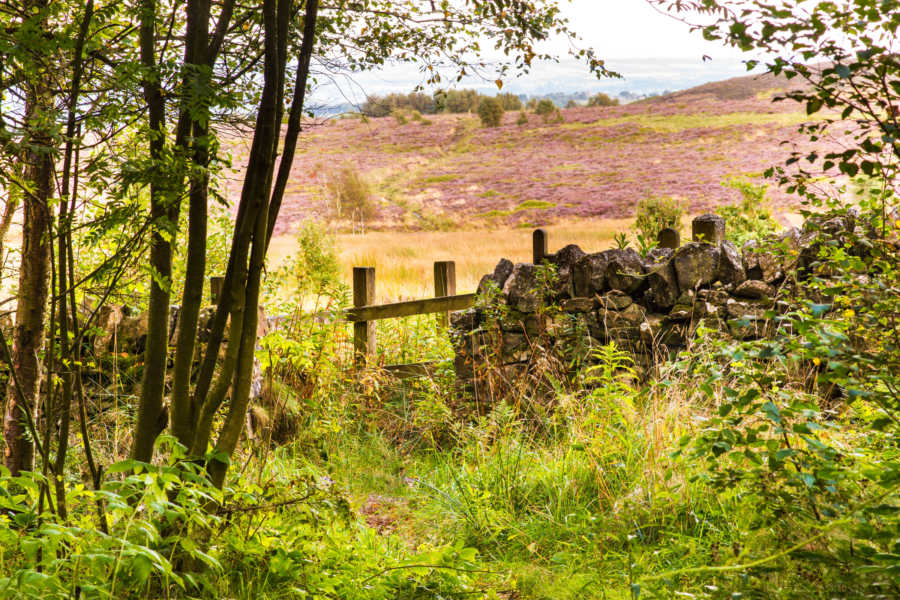
Unlike the large tourist hubs, these spots often offer a wilder, more secluded experience. Locations such as Blacka Moor and Wyming Brook are highlighted in our database. These are often free to use, though they may have smaller capacities, sometimes as few as 5 spaces, making them the perfect hidden gems for an early morning start.
Local Parish and District Council Parking
Throughout the villages and rural communities, local councils manage vital parking infrastructure. These car parks are often located in the heart of villages, supporting local pubs, cafes, and shops.
Our database features excellent examples of this community-led approach. In Alstonefield, a charming village near Dovedale, you will find two distinct options managed by the Alstonefield Parish Council. There is the Playing Field Car Park, which is Free, and the Village Hall Car Park, which operates on a Donation basis. This “honesty box” system is quintessentially British and relies on visitors to contribute to the upkeep of the village facilities.
Similarly, Longnor Market Place, managed by Staffordshire Moorlands District Council, offers a convenient Free 20-space car park in a bustling market town, providing an excellent base for exploring the Staffordshire section of the park.
Buxton Civic Association Parking
The spa town of Buxton is a cultural hub on the edge of the national park. The Poole’s Cavern and Buxton Country Park Car Park is a prime example of a local charity managing a major attraction. This Pay & Display site offers 40 spaces and provides direct access to the spectacular Poole’s Cavern show cave and the woodland walks of Grin Low, including the iconic Solomon’s Tower.
Types of Parking: From Free to Donation
When planning a budget-friendly day out, knowing your parking options is crucial. Our interactive tools allow you to filter by the type of payment required, ensuring there are no surprises when you arrive.
Pay & Display Parking
This is the most common type of parking in high-traffic areas. You pull in, find a spot, locate the machine, and pay for your desired duration. Key examples in our database include the Curbar Gap Car Park, a favourite among climbers and walkers looking to tackle the famous Curbar Edge, and the Mam Tor (National Trust) car park, which fills up rapidly for sunrise and sunset views over the Hope Valley.
Free Car Parks
There are still plenty of fantastic Free car parks scattered across the park. These are often smaller and located slightly off the beaten path, but they offer incredible value.
- Froggatt Car Park (NT) : A free National Trust site with just 5 spaces, perfect for a quiet walk along Froggatt Edge.
- Greno Woods: A site managed by the Sheffield and Rotherham Wildlife Trust, offering free access to ancient woodland walks.
Donation-Based Parking
A uniquely charming aspect of rural Britain is the donation-based car park. Often found in villages or on church land, these sites operate on an “honesty box” system.
The Village Hall Car Park in Alstonefield is a prime example of this. There is no barrier and no machine; visitors are simply asked to leave a small donation to support the community. It’s a fantastic way to give back to the local area while exploring the White Peak.
Tourist Hotspots: What Lies Beyond the Car Park
A great car park is not just a place to leave your car; it is the starting point of a memory. Our parking database is built to help you find the best launchpads for the region’s most famous attractions.
The Eastern Edges (Baslow, Grindleford, Froggatt)
The eastern gritstone edges offer some of the most dramatic views in the park. The area around Baslow and Grindleford is riddled with excellent parking options.
- Birchen Edge: This National Trust site is a short walk from the Wellington Monument and offers easy-access climbing and stunning views over Chatsworth Estate.
- Haywood Car Park: Located near Grindleford, this is a great base for walking to the iconic Longshaw Estate or the historic Padley Gorge.
Dovedale and the White Peak
Dovedale is consistently one of the most visited spots in the UK, not just the Peak District. Managing parking here is essential.
Our database shows two major National Trust sites: Ilam Park and Dovedale, offering over 200 spaces combined. However, savvy visitors might also look at the council-managed spaces in nearby villages like Alstonefield or Longnor to avoid the busiest queues and enjoy a more tranquil approach to the limestone valleys.
The Upper Derwent Valley and the Reservoirs
The Upper Derwent Valley is a mecca for walkers, cyclists, and history enthusiasts. The reservoir car parks here, managed by Yorkshire Water and Severn Trent, provide access to the iconic Derwent Dam, where the Dambusters practised their legendary raids. The Derwent Reservoir Car Park and Fairholmes Visitor Centre Car Park (the latter managed by the Forestry Commission) are essential bases for exploring this dramatic valley. Fairholmes is particularly notable as it serves as the starting point for walks to the historic Derwent Dam, the ascent of Kinder Scout via the Grindsbrook or Jacob’s Ladder routes, and the scenic cycle route around the reservoirs.
How to Use the Let’s Go Peak District Tools
We know that the best adventures happen when you are free to explore spontaneously. That is why we built our Car Parks List and Car Parks Map to be the ultimate companion for your journey.
The Car Parks List
If you prefer to plan your route on a laptop before you head out, the list view is your best friend. It provides a structured overview of every site in our database. You can see the exact location, the operating authority (whether it’s the National Trust, a water company, or a local Parish Council), the capacity, and the payment type.
The Car Parks Map (Mobile-Optimised)
The true game-changer is our interactive map. We designed this specifically with the user experience in mind. We know that when you are in the car, you don’t want to pinch and zoom on a complex desktop-style map.
The map is designed to work flawlessly on a mobile device. It is fast, intuitive, and built for use “on the go.” As you are driving through the winding roads of the Peak District, you can quickly pull up the map to see exactly which car parks are ahead of you. You can also filter by operator, payment type, or whether the site is a reservoir car park, making it incredibly easy to find exactly what you need, wherever you are.
Seamless Navigation with Apple Maps, Google Maps, and Waze
Gone are the days of typing in long addresses or coordinates. In our database, every single car park entry is equipped with direct links to the three major navigation apps:
- Apple Maps: Tap the link, and the route is instantly loaded onto your iPhone and ready to go. Perfect for use with Apple CarPlay.
- Google Maps: The universal standard. Tap to navigate seamlessly via Android Auto or your smartphone.
- Waze: For those who want real-time traffic and police alerts, we also include the Waze link.
The Power of what3words
Finding the exact entrance to a rural car park can sometimes be tricky. A postcode often covers a vast area, leading you to the wrong end of a field. To solve this, we have integrated what3words into every location.
For example, if you are looking for the Wooden Pole Car Park, we provide the 3m x 3m square identifier (files.raced.among). You can simply tap this link, and it will open the what3words app, pinpointing the exact location of the entrance. This is invaluable when you are navigating country lanes with poor mobile signal, ensuring you never miss the turning. Like the navigation apps, these links work seamlessly with Apple CarPlay and Android Auto, allowing you to keep your eyes on the road.
Digital Payments: RingGo and PayByPhone
The days of having to scramble for a pocket full of 20p coins to feed a meter are largely behind us. Most major car parks in the Peak District now utilise cashless payment systems.
While some National Trust sites still use their own specific machines (or offer free parking for members), the two most dominant apps in the region are RingGo and PayByPhone.
- RingGo: Often used by local councils and private operators. You will frequently see the bright pink signage at car parks in larger towns and popular rural hubs, including many of the water company reservoir sites.
- PayByPhone: Another industry standard that allows you to extend your parking session remotely if your walk takes longer than expected, a lifesaver if you get lost in the beauty of the moors!
When you find a car park in our database, we always note the payment type. While we recommend having the apps downloaded before you lose signal, you can usually find the location code on the signage to pay quickly on arrival.
Responsible Parking: A Note on Etiquette
We want to ensure that the Peak District remains a welcoming place for residents and visitors alike. When using the car parks listed in our database, please remember:
- Do not block gates: Farmers need access to tend to livestock. Blocking a gate can cause serious issues.
- Respect residents: If a car park is full, do not resort to parking on double yellow lines or blocking driveways. Instead, use our map to find the next closest site.
- Leave no trace: Take your rubbish with you. Overflowing bins at popular spots are a huge problem for rangers and volunteers.
- Support local: Wherever possible, use official car parks rather than roadside verges. The income from these car parks, whether it goes to the National Trust, a water company, or a parish council, directly supports the maintenance of the infrastructure you rely on.
Start Your Journey with Confidence
Exploring the Peak District National Park should be about the views, the wildlife, and the fresh air, not the anxiety of where to leave the car.
With the Let’s Go Peak District extensive database, you have the ultimate toolkit at your fingertips. Whether you are looking for a Pay & Display hub near the famous stepping stones of Dovedale, a Free hidden gem near the wooded valleys of the Sheffield Wildlife Trust sites, a Donation-based spot in a quaint village like Alstonefield, or a Reservoir car park managed by Severn Trent or Yorkshire Water for a family-friendly day by the water, we have you covered.
Our interactive map is optimised for mobile browsing, ensuring that even when you are out on the road, you can find your perfect starting point with ease. With integrated links for Apple Maps, Google Maps, Waze, and precise what3words locations, navigating to the exact entrance has never been simpler—all compatible with Apple CarPlay and Android Auto.
So, before you set off for the rugged edges of Curbar, the gentle dales of Longnor, the ancient woodlands of Wyming Brook, or the historic reservoirs of the Upper Derwent Valley, make sure you visit our Car Parks List or Map. Plan ahead, pay digitally, and spend less time driving in circles and more time enjoying the best that the Peak District has to offer—a landscape shaped by centuries of history, protected by dedicated organisations, and waiting for you to explore.
Ready to find your spot? Explore the full database here:
- View the List: https://letsgopeakdistrict.co.uk/car-parks/
- View the Map: https://letsgopeakdistrict.co.uk/peak-district-car-parks/
