



Peak District Walks for All
The Peak District National Park is walker’s country. It has been since 1951, when it became Britain’s first national park. People have been pulling on boots and heading for the hills here for generations, and once you have stood on a gritstone edge looking out over a patchwork of fields and moorland, you will understand why.
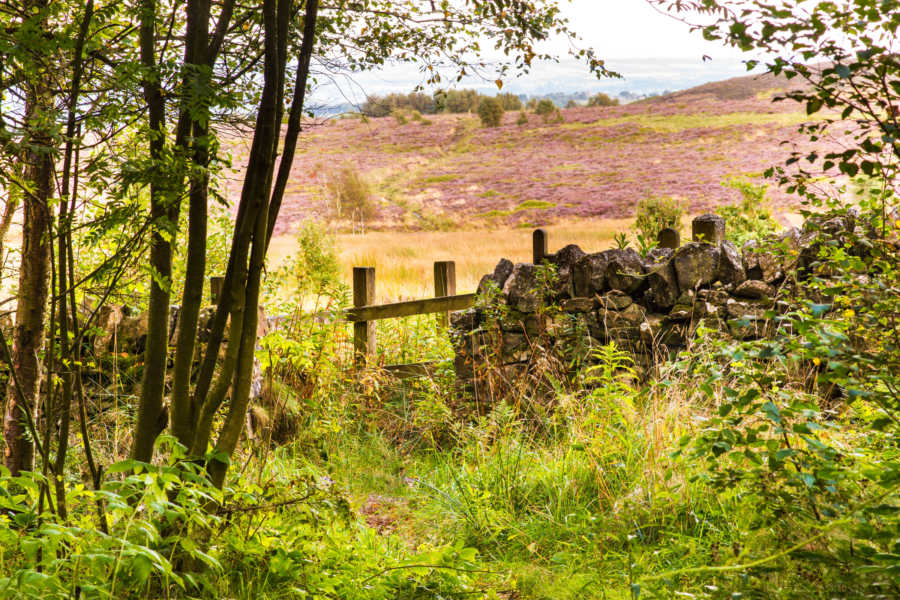
This guide brings together more than forty of the best Peak District walks. Whether you are after a gentle riverside stroll with the family, a challenging ridge walk with panoramic views, or a short loop that still delivers the big scenery, you will find something here. I have organised the walks by theme so you can quickly find what suits your mood, your boots, and your timetable.
Before we get to the walks themselves, a quick word on preparation. The Peak District weather is famously changeable. Sunshine at the start of a walk can turn to horizontal rain by the time you reach the top. Check the forecast before you set out, carry a map or have a downloaded offline version on your phone, and pack an extra layer even in summer. Mobile phone signal is unreliable in many of the valleys and tops, so do not rely on it for navigation.
Now, let us get to the Peak District walks >>>
Quick Reference: Peak District Walks
Here is a bird’s eye view of all the Peak District walks in this guide. Use it to find a route that matches your preferred distance and difficulty.
| Walk Name | Distance | Difficulty | Starting Point | Best For |
|---|---|---|---|---|
| Ladybower Reservoir Walk | 5.5 miles | Easy | Fairholmes | Water views |
| Beautiful Bamford and Ladybower Reservoir Walk | 4.6 miles | Easy | Bamford | Ladybower scenery |
| The Secret Side of Ladybower Walk | 8.1 miles | Moderate | Fairholmes | Solitude |
| Beautiful Dove Stone Reservoir Walk | 4.1 miles | Easy | Dove Stone car park | Family walking |
| Derwent and Howden Reservoirs Walk | 10 miles | Moderate | Fairholmes | Long distance |
| Derwent Edge | 2.5 miles | Easy | Fairholmes | Short edge walk |
| Bradfield via Dale Dike Reservoir Walk | 5.3 miles | Moderate | Low Bradfield | Reservoir circuit |
| The Manifold Way | various | Easy | Waterhouses | Level walking |
| Stunning Castleton Circular Walk via Mam Tor | 5.5 miles | Moderate | Castleton | Ridges |
| Edale to Mam Tor | 7.5 miles | Moderate | Edale | Mam Tor views |
| Hope Village to Hope Cross Walk | 6.7 miles | Moderate | Hope | High moorland |
| Beautiful Dovedale Walk via Hall Dale and Ilam | 6 miles | Easy | Ilam | Stepping stones |
| Dales of the River Dove | 8 miles | Moderate | Milldale | River walking |
| Wetton Mill via the Manifold Way | 5 miles | Easy | Wetton Mill | Thor’s Cave |
| Hathersage and Stanage Edge Walk | 6 miles | Moderate | Hathersage | Stanage Edge |
| Hathersage Walk via Grindleford | 6 miles | Moderate | Hathersage | Woodland |
| Hathersage Walk Fairy Woods | 2 miles | Easy | Hathersage | Families |
| Hathersage via Longshaw | 8 miles | Moderate | Hathersage | Longshaw Estate |
| Hathersage via Stanage Edge and Higger Tor | 12 miles | Challenging | Hathersage | Full day |
| Froggatt, Curbar and Baslow Edge Walk | 8 miles | Moderate | National Trust car park | Three edges |
| Padley Gorge and Surprise View | 4.5 miles | Easy | Grindleford | Woodland gorge |
| Kids’ Walk: Padley Gorge | 2 miles | Easy | Grindleford | Families |
| Kids’ Walk: Stanage Edge Walk | 2 miles | Easy | Hathersage | Families |
| Kids’ Walk: Three Shires Head | 3.8 miles | Easy | Flash | Families |
| Kids’ Walk: Robin Hood’s Stride | 2.7 miles | Easy | Birchover | Families |
| An Easy Trig Walk for Kids | 2 miles | Easy | Buxton area | Families |
| The White Peak Walk | 30 miles | Challenging | Multiple | Long distance |
| High Peak Trail via Minninglow Hill | 3 miles | Easy | Parsley Hay | Short trail walk |
| Tideswell Walk via Miller’s Dale | 6 miles | Moderate | Tideswell | Dale scenery |
| Tissington Walk via Parwich | 4 miles | Easy | Tissington | Village walking |
| Bakewell via Ashford in the Water | 6 miles | Moderate | Bakewell | River Wye |
| Ashford in the Water via Monsal Dale | 6 miles | Moderate | Ashford-in-the-Water | Monsal Dale |
| Chatsworth and Edensor Walk | 3.8 miles | Easy | Chatsworth | Stately home |
| Monyash and Lathkill Dale Walk | 4 miles | Easy | Monyash | Lathkill Dale |
| Youlgreave via Lathkill Dale | 7.6 miles | Moderate | Youlgreave | Lathkill Dale |
| Hartington Dales Walk | 5.4 miles | Moderate | Hartington | White Peak |
| Eyam via Stoney Middleton Walk | 5.5 miles | Moderate | Eyam | Plague village |
| Stoney Middleton via Coombs Dale | 4.75 miles | Easy | Stoney Middleton | Coombs Dale |
| Shining Tor and Goyt Valley | 7 miles | Moderate | Goyt Valley | High peak |
| Hayfield via Kinder Edges | 9 miles | Challenging | Hayfield | Kinder Scout |
| Dragon’s Back Walk | 3.9 miles | Moderate | Hollibnsclough | Ridge walking |
Reservoir and Waterfall Walks
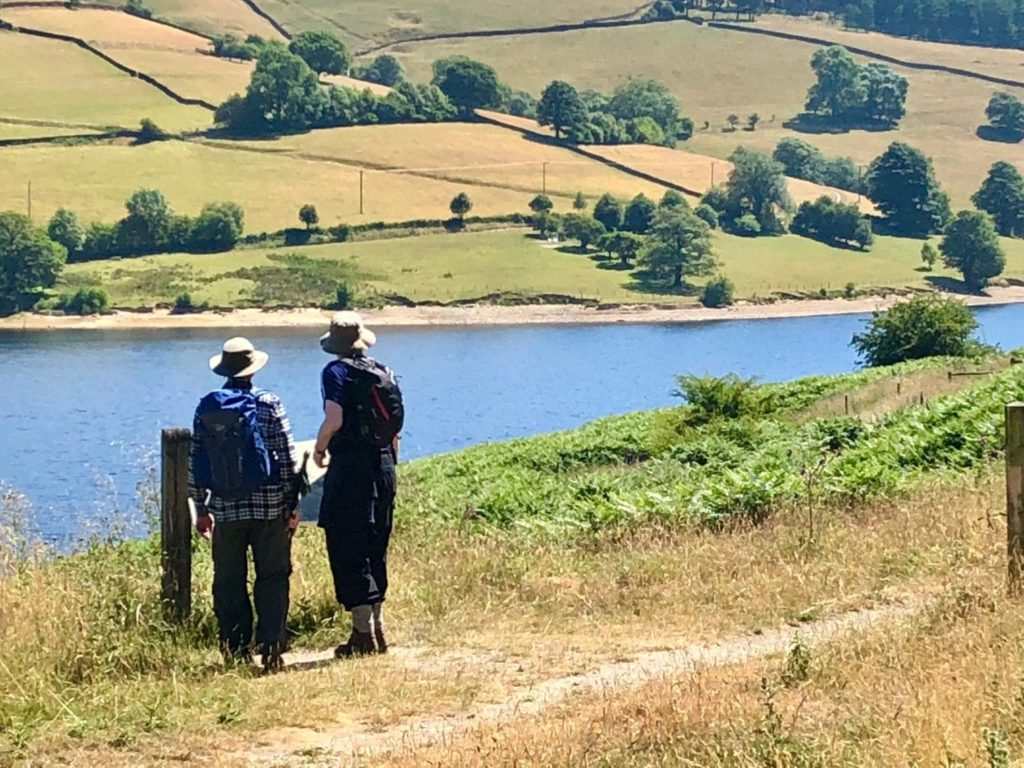
Reservoir walks are a brilliant choice for anyone wanting a fairly level route with dramatic scenery. The Upper Derwent Valley is the star of this category, with its three reservoirs set against a backdrop of steep, heather covered hills. These walks work well in any weather and are particularly good for introducing new walkers to the national park.
Ladybower Reservoir Walk
Distance: 5.5 miles
Starting point: Fairholmes car park
This is the classic Ladybower circuit and one of the most popular walks in the whole national park. The path follows the western shore of the reservoir before crossing the dam and returning along the eastern side. You get wonderful views of the Derwent Valley and the lost village of Ashopton, which now sits beneath the water. The route is well maintained and mostly flat, making it accessible for pushchairs in good weather. Many people choose to extend this walk by continuing along the western shore to the Derwent Dam, which adds another two miles to the total distance.
Beautiful Bamford and Ladybower Reservoir Walk
Distance: 4.6 miles
Starting point: Bamford
This walk starts in the village of Bamford and takes you up onto Bamford Edge before dropping down to Ladybower Reservoir. The views from the edge are spectacular, looking straight down the length of the reservoir towards the dam. It is a little more challenging than the flat reservoir circuit but well worth the effort for the photography opportunities. The best time to do this walk is late afternoon, when the sun lights up the face of the dam.
The Secret Side of Ladybower Walk
Distance: 8.1 miles
Starting point: Fairholmes car park
For those who want to escape the crowds, this longer route explores the quieter western side of the Ladybower valley. You will pass through ancient woodland and open moorland, with chances to spot red deer and birds of prey. The extra distance means you get the reservoir to yourself even on busy weekends. The path can be muddy in places, so good boots are essential.
Beautiful Dove Stone Reservoir Walk
Distance: 4.1 miles
Starting point: Dove Stone car park
Dove Stone sits on the edge of the Peak District where Derbyshire meets Yorkshire. The reservoir is surrounded by steep rocky edges, and the walk takes you around the water with options to climb up to the higher ground for even better views. There is a visitor centre and cafe at the start, which is always welcome. The climb up to the top of Dove Stone Edge is optional but highly recommended for the views across Manchester and beyond.
Derwent and Howden Reservoirs Walk
Distance: 10 miles
Starting point: Fairholmes car park
This is a serious day out. The walk follows the full length of Derwent Reservoir, continues up to Howden Reservoir, and returns along the far shore. You will see the Derwent Dam, famous for its use by the Dambusters for practice flights during the Second World War. Plaques on the dam commemorate the 617 Squadron. Allow at least four to five hours for this walk, and take plenty of food and water.
Derwent Edge Walk
Distance: 2.5 miles
Starting point: Fairholmes car park
A short walk that packs a punch. From Fairholmes, you climb up onto Derwent Edge, where you will find the famous Salt Cellar rock formation. The views back down over the reservoirs are some of the best in the national park. This is a good choice if you only have an hour or two. The climb is steep in places but short, and children love scrambling on the rocks at the top.
Bradfield via Dale Dike Reservoir Walk
Distance: 5.3 miles
Starting point: Low Bradfield
This walk starts in the attractive village of Low Bradfield, with its church and cricket pitch, before heading up to Dale Dike Reservoir. The reservoir is older and smaller than the Derwent Valley ones, with a more intimate feel. The return route takes you through woodland and farmland back to the village pub. The pub, the Plough, is a proper village local and does good food.
The Manifold Way
Distance: various
Starting point: Waterhouses or Hulme End
The Manifold Way follows the route of the old Leek and Manifold Valley Light Railway. It is a level, traffic free path that runs for about eight miles from Waterhouses to Hulme End. The track runs alongside the River Manifold, which disappears underground in dry weather at several points. This is a fantastic choice for families with young children or for anyone using a wheelchair or pushchair. You can walk as much or as little of it as you like, turning back whenever you have had enough.
Mam Tor, Castleton and Edale Walks
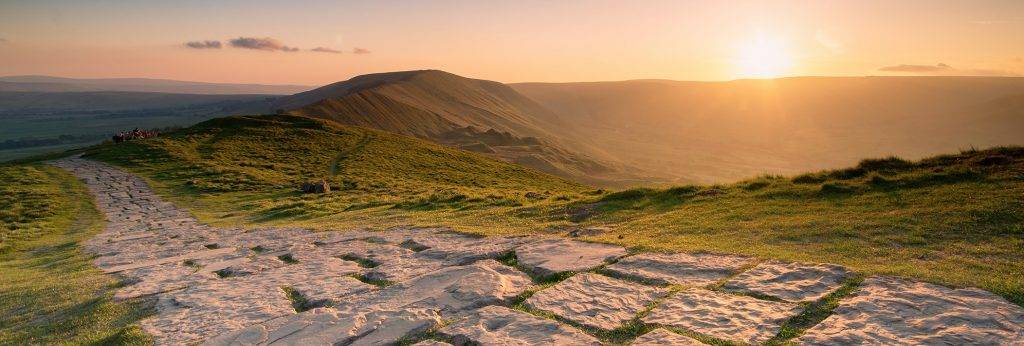
The area around Castleton and Edale is the spiritual home of Peak District walking. Mam Tor, known as the Shivering Mountain because of its unstable slopes, offers one of the most satisfying ridge walks anywhere in Britain. The geology here is fascinating, with layers of shale and sandstone that have been folded and faulted over millions of years.
Stunning Castleton Circular Walk via Mam Tor
Distance: 5.5 miles
Starting point: Castleton
This circular route takes you out of Castleton, up the steep path to the summit of Mam Tor, then along the ridge to Hollins Cross before dropping back down into the village. The views from the top take in the Hope Valley, Kinder Scout, and on a clear day, Manchester in the distance. The descent brings you past the entrance to Treak Cliff Cavern and back into Castleton for a well earned pub lunch. The path up Mam Tor from the Castleton side is steep but well maintained, with steps cut into the hillside in the steepest sections.
Edale to Mam Tor
Distance: 7.5 miles
Starting point: Edale
Starting from Edale village, this walk follows the Pennine Way for a short stretch before climbing up onto the ridge that leads to Mam Tor. You approach Mam Tor from the less crowded side, which means you get the summit to yourself more often than not. The walk finishes back in Edale, where there are several excellent pubs and cafes. The walk across the ridge from Hollins Cross to Mam Tor is exposed, so on windy days take extra care near the edge.
Hope Village to Hope Cross Walk
Distance: 6.7 miles
Starting point: Hope
Hope is often overlooked in favour of its more famous neighbours, but this walk shows the village at its best. You climb out of Hope onto the open moorland, heading for the Hope Cross, an ancient wayside cross that marks the boundary of old parish lands. The walk is quiet even on bank holidays. The cross itself is a replica; the original is now in a museum in Sheffield, but the location still feels special.
Dovedale and the Manifold Valley Walks
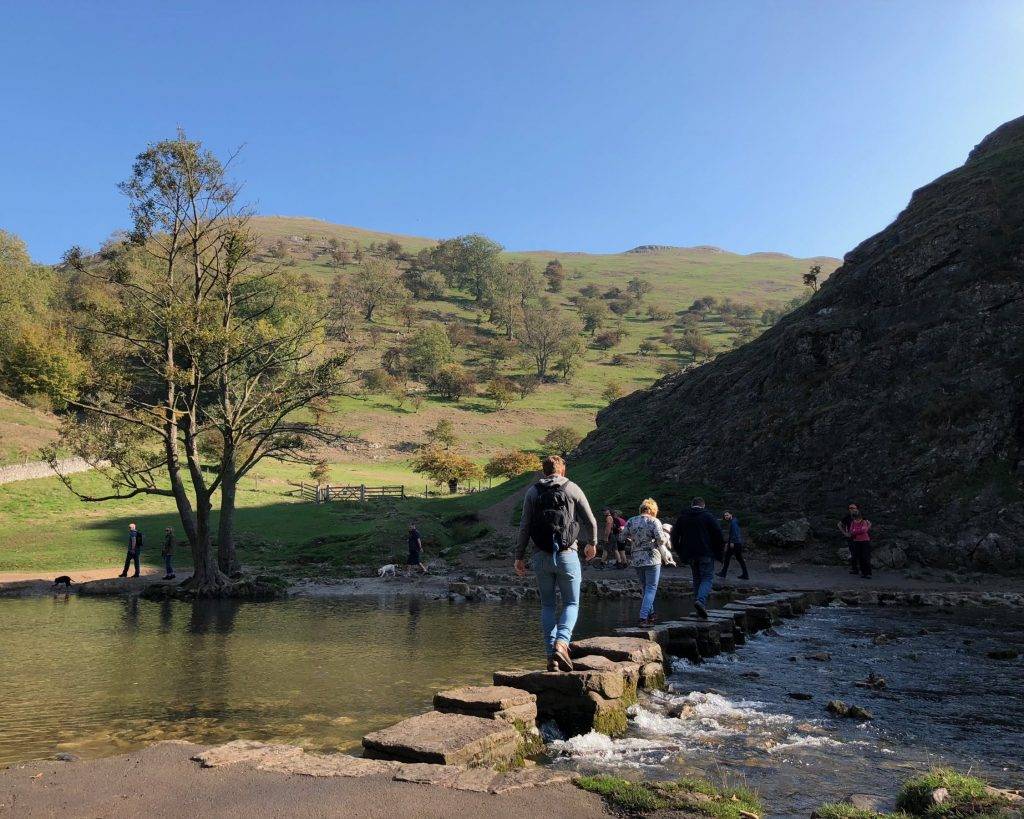
The White Peak is the southern part of the national park, where limestone underpins the landscape. The valleys here are softer, greener, and gentler than the gritstone edges of the Dark Peak. Dovedale is the jewel in the crown, attracting visitors from all over the country, but there are quieter corners of the valley that are just as beautiful.
Beautiful Dovedale Walk via Hall Dale and Ilam
Distance: 6 miles
Starting point: Ilam
This walk starts at the National Trust car park in Ilam and takes you through the grounds of Ilam Hall before entering Dovedale via Hall Dale. You join the main Dovedale path at the famous stepping stones, which are a rite of passage for any Peak District visitor. The route continues up the valley to Milldale before looping back through fields to Ilam. The stepping stones can be slippery when wet, and in high water they may be completely submerged, so check the river levels before setting out.
Dales of the River Dove
Distance: 8 miles
Starting point: Milldale
A longer exploration of the Dove Valley, starting from the hamlet of Milldale and heading upstream through the narrowest and most dramatic section of Dovedale. The path winds between limestone cliffs, past caves and rock formations, before emerging onto higher ground and returning along the opposite side of the valley. This walk is quieter than the section around the stepping stones because most tourists do not venture this far up the valley.
Wetton Mill via the Manifold Way
Distance: 5 miles
Starting point: Wetton Mill car park
This walk combines a visit to Thor’s Cave with a stretch of the Manifold Way. From Wetton Mill, you climb up to the cave, which is large enough to hold a cathedral congregation, before dropping down to join the old railway track. The return to Wetton Mill follows the river. The climb up to Thor’s Cave is steep but short, and the cave itself is free to explore. Take a torch if you want to go right to the back.
Stanage Edge and Hathersage Walks
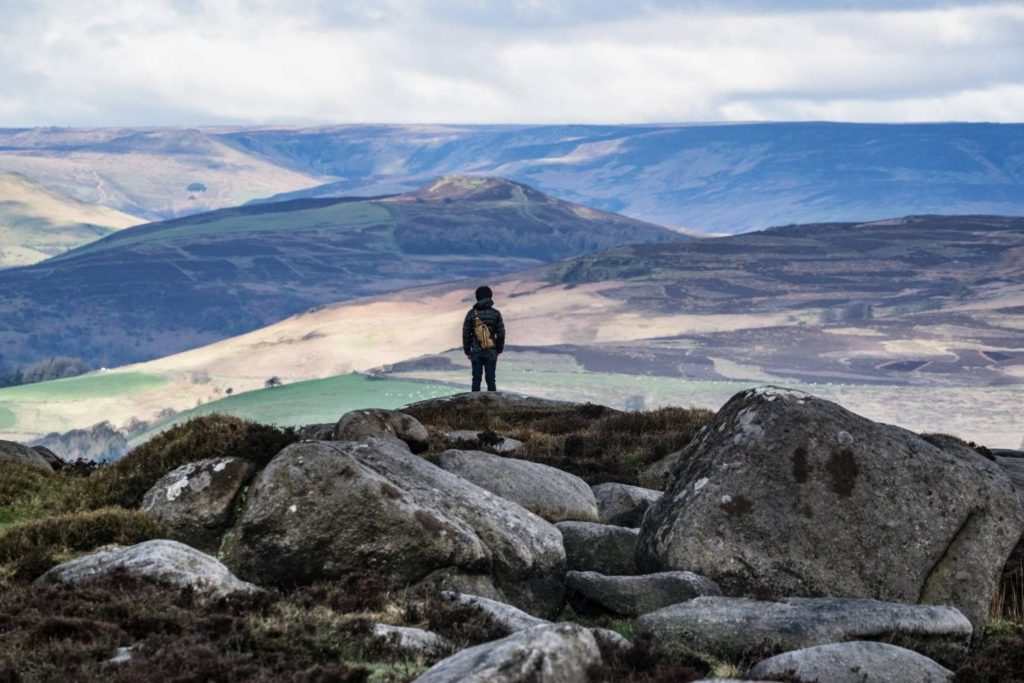
Stanage Edge is the longest gritstone edge in the Peak District, stretching for nearly four miles. It is a magnet for walkers, climbers, and anyone who wants to stand on top of the world for a few hours. Hathersage, at the southern end of the edge, is the perfect starting point, with its outdoor swimming pool and excellent pubs.
Hathersage and Stanage Edge Walk
Distance: 6 miles
Starting point: Hathersage
This circular walk takes you out of Hathersage, past the outdoor swimming pool, and up onto Stanage Edge via the path from the National Trust car park. You walk along the top of the edge for about a mile, passing the Robin Hood Inn at the northern end before dropping down and returning to Hathersage through fields and woodland. The Robin Hood Inn is named after the local legend that Robin Hood used the edge as a lookout point.
Hathersage Walk via Grindleford
Distance: 6 miles
Starting point: Hathersage
This route heads south from Hathersage towards Grindleford, following the River Derwent for a stretch before climbing up into Padley Gorge. The gorge is a magical place, with moss covered rocks and tumbling streams. The walk finishes with a well deserved stop at Grindleford Station Cafe, which has been serving walkers for decades. The cafe is famous for its enormous breakfasts and its no nonsense approach to service. It is cash only, so come prepared.
Hathersage Walk Fairy Woods
Distance: 2 miles
Starting point: Hathersage
A short walk perfect for families with young children. The Fairy Woods are a local name for a small woodland near Hathersage where children have been leaving tiny doors and decorations for years. The walk is flat, easy, and full of imagination. It is a lovely introduction to walking for little legs. The exact location of the fairy doors changes over time as new ones appear and old ones fade, so part of the fun is hunting for them.
Hathersage via Longshaw Walk
Distance: 8 miles
Starting point: Hathersage
This longer route takes you across the Longshaw Estate, a National Trust property with a visitor centre, cafe, and ancient woodland. The walk follows part of the Sheffield Country Walk before climbing up to the edge and returning via a different path. Longshaw is particularly good in autumn when the colours are spectacular. The estate is also home to a herd of red deer, which you can sometimes see from the path.
Hathersage via Stanage Edge and Higger Tor
Distance: 12 miles
Starting point: Hathersage
A full day out for experienced walkers. This route covers the entire length of Stanage Edge, drops down to cross the road, and then climbs Higger Tor before returning to Hathersage. Higger Tor is less famous than Stanage but offers equally good views and is usually much quieter. Allow at least six hours for this walk, and be prepared for some tough climbing, especially on the ascent to Higger Tor.
Froggatt, Curbar and Baslow Edges Walks

These three edges sit side by side on the eastern flank of the Peak District. Walking all three in one go makes for a satisfying ridge walk with constant views over the Derwent Valley. The edges are popular with climbers, and on a weekend you will see ropes and helmets dotted along the cliff face.
Froggatt, Curbar and Baslow Edge Walk
Distance: 8 miles
Starting point: National Trust car park at Froggatt
This walk starts at the Froggatt Edge car park, follows the edge south to Curbar, then continues to Baslow before dropping down into the valley and returning along field paths. Each edge has its own character. Froggatt is the most rugged, Curbar has the best views of the Chatsworth estate, and Baslow is the gentlest. The walk back through the valley takes you past the village of Baslow, which has a couple of good pubs if you need a break before the final stretch.
Padley Gorge Walks
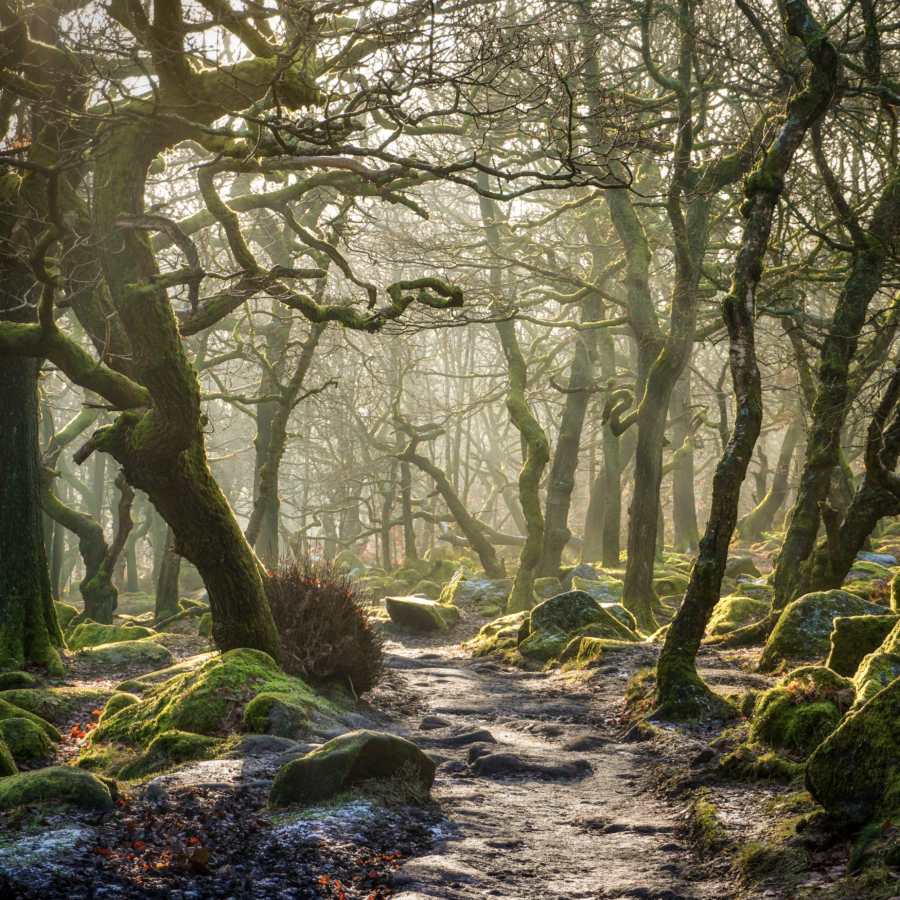
Padley Gorge is a beautiful wooded valley on the eastern edge of the national park. The stream that runs through it tumbles over rocks and creates a series of small waterfalls. It is a wonderful place for a walk at any time of year, but it is particularly lovely in spring when the bluebells are out and in autumn when the leaves turn.
Padley Gorge and Surprise View
Distance: 4.5 miles
Starting point: Grindleford
This walk starts at Grindleford station, crosses the River Derwent, and climbs up through Padley Gorge. The path follows the stream through ancient oak woodland, past waterfalls and rocky outcrops. At the top, you reach Surprise View, a famous viewpoint looking back down the valley. The return route follows the Burbage Valley before dropping back to the station. The path through the gorge can be slippery after rain, so take care on the rocks near the water.
Kids’ Peak District Walks
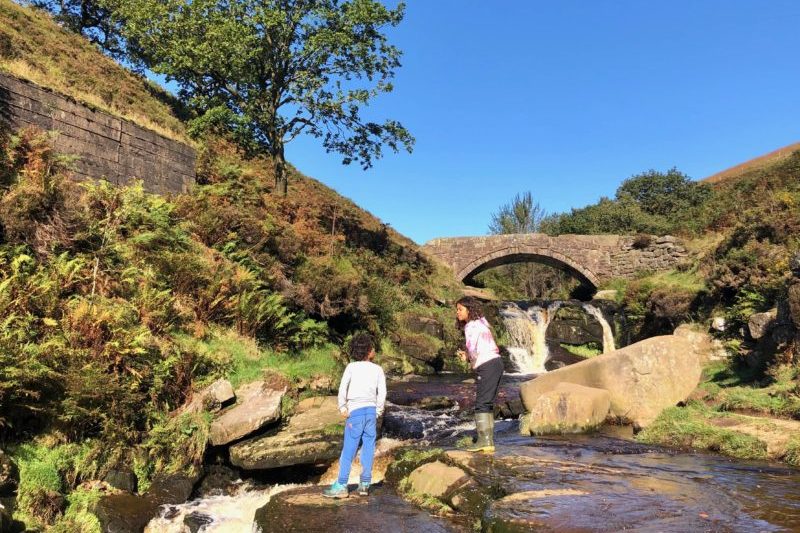
Walking with children requires a different approach. Distances need to be short, there need to be interesting things along the way, and a plan for ice cream or cake at the end is essential. These walks have all been tested on real children, and they have all passed the most important test: the children asked to do them again.
Kids’ Walk: Padley Gorge
Distance: 2 miles
Starting point: Grindleford
This walk follows the stream through Padley Gorge, which is perfect for paddling, stone skimming, and pretending to be an explorer. The path is rough in places but manageable for young children. There are plenty of spots to stop for a picnic beside the water. The gorge is also a good place for a game of pooh sticks if you find a suitable bridge.
Kids’ Walk: Stanage Edge Walk
Distance: 2 miles
Starting point: National Trust car park at Stanage
This short walk takes you onto Stanage Edge itself, where children can scramble on the rocks, look for climbers on the cliff face, and enjoy the feeling of being on top of a mountain. The path is clear and easy to follow, and the car park means you do not have a long approach walk before the fun begins. The rocks at the top are mostly flat and safe for children to climb on, but keep them away from the edge itself.
Kids’ Walk: Three Shires Head
Distance: 3.8 miles
Starting point: Flash
Three Shires Head is where the counties of Derbyshire, Cheshire, and Staffordshire meet. The old packhorse bridge here is a lovely spot for a picnic, and the water is shallow enough for paddling on a warm day. The walk is mostly on level ground, and the reward is the novelty of being in three places at once. The bridge is one of the most photographed spots in the Peak District, so have your camera ready.
Kids’ Walk: Robin Hood’s Stride
Distance: 2.7 miles
Starting point: Birchover
Robin Hood’s Stride is a dramatic rock formation with a name that captures any child’s imagination. The walk from Birchover takes you past the rocks, which are easy to climb on and explore. The route also passes the Nine Ladies Stone Circle, a Bronze Age monument that adds a touch of mystery. Local legend says the rocks are the remains of a giant who was turned to stone, which is a good story to tell along the way.
An Easy Trig Walk for Kids
Distance: 2 miles
Starting point: Buxton area
Trig points are the concrete pillars found on hilltops across Britain, used by surveyors to map the country. Children love finding them. This short walk takes you to a trig point with minimal effort, making it a good first hill for the youngest walkers. The exact location of the trig point is kept deliberately vague in online guides to avoid overcrowding, but any local map will show them clearly.
Long Distance Peak District Walks and Trail Routes
For those who want to cover serious distance, these longer routes are the answer. They require planning, fitness, and a willingness to be out all day, but the sense of achievement at the end is hard to beat.
The White Peak Walk
Distance: 30 miles
Starting point: Multiple locations
This is a long distance route that crosses the White Peak from end to end. It is designed to be walked in two or three days, with overnight stops in villages along the way. The route takes in Dovedale, Lathkill Dale, and the Manifold Valley, and is waymarked throughout. The trail is not as famous as the Pennine Way, but it is every bit as beautiful, and much quieter.
High Peak Trail via Minninglow Hill Walk
Distance: 3 miles
Starting point: Parsley Hay
A short walk that leaves the High Peak Trail to climb Minninglow Hill, a Bronze Age burial site with a clump of trees on top that can be seen for miles around. The walk is a good introduction to the trail without committing to the full distance. The burial mound at the top is over four thousand years old, and the views from the summit take in five different counties on a clear day.
Peak District Village and Dale Walks

These walks start from some of the Peak District’s most attractive villages and explore the dales that give the White Peak its distinctive character. Each one combines village charm with classic limestone scenery.
Tideswell Walk via Miller’s Dale
Distance: 6 miles
Starting point: Tideswell
Tideswell is known as the capital of the Peak District, a title it claims because of its large church, known as the Cathedral of the Peak. This walk drops down from the village into Miller’s Dale, a deep limestone gorge cut by the River Wye, before climbing back up to Tideswell. The church is worth a visit before or after the walk, especially for its medieval stained glass.
Tissington Walk via Parwich
Distance: 4 miles
Starting point: Tissington
This walk starts at Tissington, one of the most beautiful estate villages in the national park. The route heads out across fields to the neighbouring village of Parwich, returning via a different path. Both villages have excellent pubs, so you can choose where to have your lunch. Tissington is particularly famous for its well dressing festival in May, when the village wells are decorated with flower petal mosaics.
Bakewell via Ashford-in-the-Water Walk
Distance: 6 miles
Starting point: Bakewell
This walk follows the River Wye out of Bakewell, passing the famous five arched bridge and the old cattle market. The river path continues to Ashford in the Water, known for its sheep wash bridge, before returning to Bakewell across fields. It is a gentle walk with plenty of places to stop. Allow time in Bakewell afterwards for a pudding from one of the original bakers.
Ashford in the Water via Monsal Dale Walk
Distance: 6 miles
Starting point: Ashford in the Water
This route takes you from Ashford into Monsal Dale, one of the most photographed valleys in the national park. You pass under the Headstone Viaduct and follow the river before climbing up to the Monsal Trail and returning to Ashford. The viaduct was controversial when it was built, with John Ruskin calling it a blot on the landscape, but today it is seen as part of the scenery.
Chatsworth and Edensor Walk
Distance: 3.8 miles
Starting point: Chatsworth
This short walk explores the grounds of Chatsworth House and the estate village of Edensor. The route is flat and easy, with views of the house from several angles. Edensor is worth a wander on its own, with its unusual mix of architectural styles commissioned by the Duke of Devonshire. The village church contains the graves of several members of the Kennedy family, who were related to the Duke’s wife.
Monyash and Lathkill Dale Walk
Distance: 4 miles
Starting point: Monyash
Monyash is a quiet village on the limestone plateau. This walk drops down into Lathkill Dale, widely considered the most beautiful of the White Peak dales. The River Lathkill is crystal clear, and the dale is home to wild flowers and butterflies in summer. The water in Lathkill Dale is so clear that you can often see trout swimming from the footpath.
Youlgreave via Lathkill Dale Walk
Distance: 7.6 miles
Starting point: Youlgreave
This longer walk explores more of Lathkill Dale, starting from the village of Youlgreave. The route follows the dale for several miles before climbing out and returning across farmland. Youlgreave has several pubs and a famous medieval sheepwash bridge. The dale is at its best in late spring, when the wild garlic is in flower and the air smells strongly of it.
Hartington Dales Walk
Distance: 5.4 miles
Starting point: Hartington
Hartington is known for its cheese shop and its village square. This walk explores the dales around the village, including Biggin Dale and Wolfscote Dale. The route is typical White Peak walking, with limestone paths, flower filled meadows, and plenty of stiles. The cheese shop in Hartington is run by the same family that has made cheese in the village for generations, and it is worth a visit even if you are not doing the walk.
Eyam via Stoney Middleton Walk
Distance: 5.5 miles
Starting point: Eyam
Eyam is the famous plague village, where the villagers quarantined themselves to stop the spread of the disease in 1665. This walk connects Eyam to Stoney Middleton, passing through the dramatic limestone ravine of Middleton Dale. The route is rich in history as well as scenery. The plague story is told in the village museum, which is worth visiting before or after the walk.
Stoney Middleton via Coombs Dale Walk
Distance: 4.75 miles
Starting point: Stoney Middleton
This walk climbs out of Stoney Middleton into Coombs Dale, a quieter neighbour to the more famous dales. The path runs along the floor of the dale, with steep limestone cliffs on either side, before returning to the village. Coombs Dale is a Site of Special Scientific Interest because of its flower rich grasslands, which are at their best in June and July.
Shining Tor and Goyt Valley Walk
Distance: 7 miles
Starting point: Goyt Valley
Shining Tor is the highest point in Cheshire, and this walk takes you to the summit. The route starts in the Goyt Valley, a quieter corner of the national park, and follows the ridge to the top. The views take in Manchester, the Welsh hills, and the length of the Peak District. The path along the ridge is exposed, so on windy days this walk can feel more challenging than the distance suggests.
Hayfield via Kinder Edges Walk
Distance: 9 miles
Starting point: Hayfield
This walk approaches Kinder Scout from the west, starting in the village of Hayfield. The route climbs onto the Kinder Edges, the northern escarpment of the Kinder plateau, and follows the edge before dropping back to Hayfield. This was the route of the Kinder Mass Trespass of 1932, a pivotal moment in the fight for access to the countryside. The trespass is commemorated by a plaque near the start of the walk.
Dragon’s Back Walk
Distance: 3.9 miles
Starting point: Chrome Hill car park
The Dragon’s Back is the name given to the ridge of Chrome Hill, which looks exactly like the spine of a sleeping dragon. This walk is short but steep, with a narrow ridge section that is not for anyone with a fear of heights. The views from the top are spectacular, and the walk is justly famous on social media. The ridge is exposed and can feel intimidating in strong winds, so choose a calm day for this one.
Frequently Asked Questions
Do I need to pay for parking for these walks?
Most of the main car parks in the national park are pay and display, including Fairholmes, Mam Tor, and the National Trust car parks at Stanage Edge and Froggatt. Prices vary but expect to pay around four to five pounds for a full day. Some village car parks are free, but they fill up very early on weekends. Arriving before nine in the morning is the best way to guarantee a space at the most popular spots.
What is the best walk for beginners?
The Ladybower Reservoir Walk is hard to beat for beginners. It is mostly flat, the path is well maintained, and the views are spectacular. The Manifold Way is another excellent choice, with its level surface and easy access. Both walks allow you to turn back whenever you have had enough, which takes the pressure off less experienced walkers.
Can I walk with a pushchair?
Yes, but you need to choose your route carefully. The Manifold Way is surfaced and suitable for pushchairs. The Ladybower Reservoir Walk is also possible in dry weather, though parts of the path can be muddy. The Tissington Trail, High Peak Trail, and Monsal Trail are all surfaced and pushchair friendly, though they are not covered in detail in this guide because they are more suited to cycling.
What should I pack?
The essentials are waterproof jacket and trousers, sturdy boots, a map or downloaded offline map, plenty of water, snacks, and an extra warm layer even in summer. Mobile phone signal is unreliable in many valleys, so do not rely on your phone for navigation. A paper map and compass are cheap insurance against getting lost.
Can I take my dog on these walks?
Yes, dogs are welcome on almost all Peak District walks. The main exceptions are a few nature reserves during bird nesting season. Keep dogs under close control around livestock, which are present in most of the White Peak. Sheep are common on both the White Peak and the Dark Peak, and a dog chasing sheep can cause serious harm even if it does not catch them.
The Peak District has more than two thousand miles of public footpaths, and this guide covers only a fraction of them. But the walks collected here represent the best of what the national park has to offer, from gentle reservoir circuits to challenging ridge walks. The most important thing is to get out there. Pick a walk that matches your mood, pull on your boots, and go. The hills are waiting.
And finally… Respect everyone
- be considerate to those living in, working in and enjoying the countryside
- leave gates and property as you find them
- do not block access to gateways or driveways when parking
- be nice, say hello, share the space
- follow local signs and keep to marked paths unless wider access is available
