


Hope: A Peaceful Village in the Heart of the Hope Valley
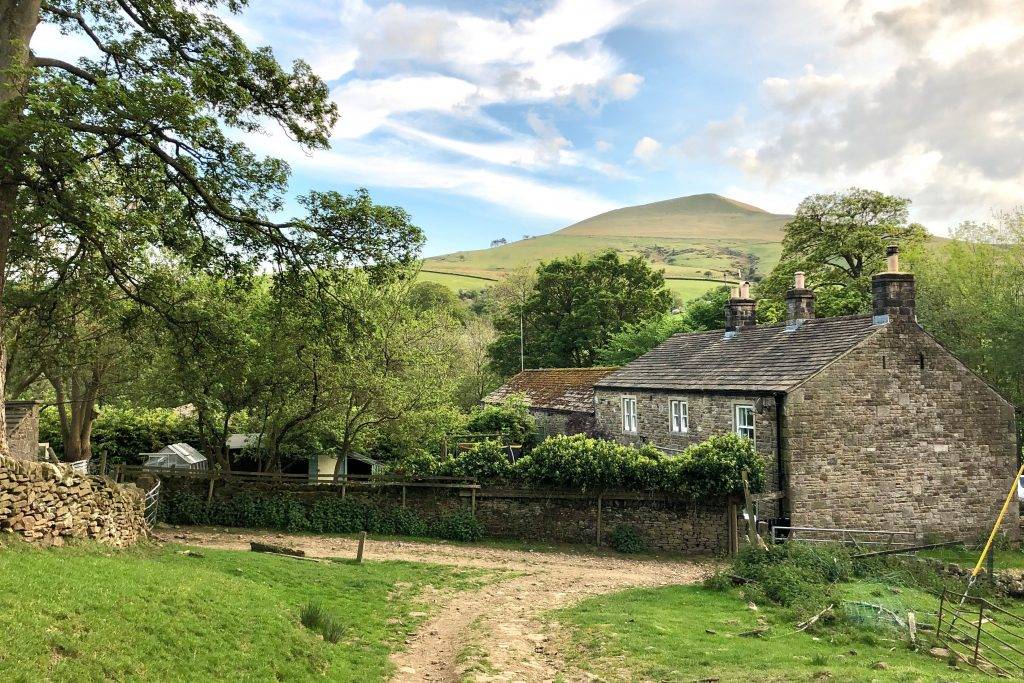
The pretty village of Hope is often overshadowed by its near neighbour Castleton, but it has loads to offer visitors and provides a more peaceful village destination.
It has a great range of shops, cafes and pubs, and is surrounded by the most stunning scenery. As the name suggests it is located in the heart of the Hope Valley, overlooked by Win Hill and Lose Hill.
Planning a visit? Our comprehensive guide covers everything you need to know, from top attractions and walking routes to practical tips for making the most of your trip to this beautiful Derbyshire village.
Ancient History
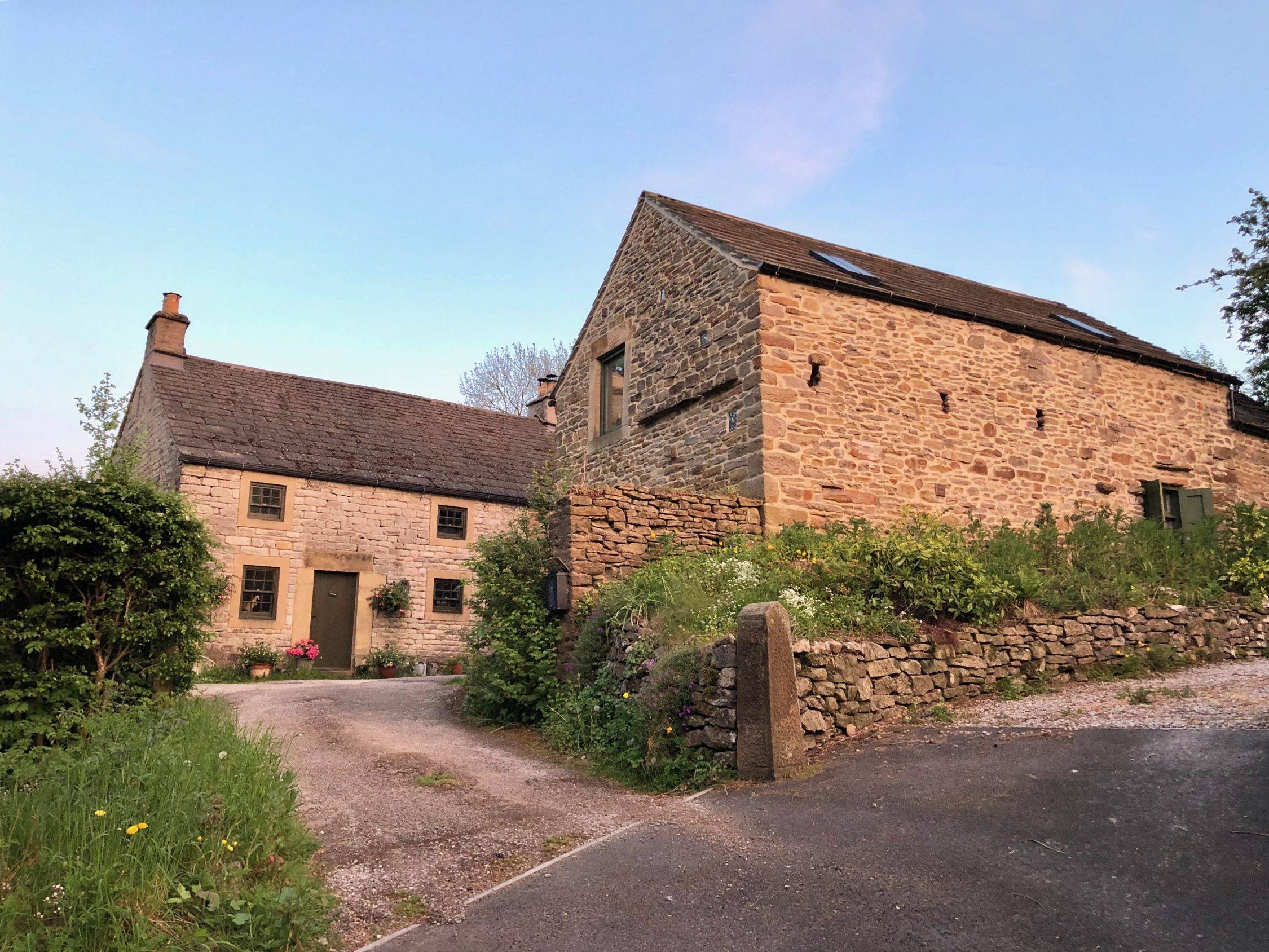
There has been a settlement here since ancient times, with Mesolithic and Neolithic artefacts found locally. There is also a Bronze Age barrow, known as The Folly Ring, located in the village just off Pindale Road. This Scheduled Ancient Monument is a steep-sided platform cairn with a diameter of 25.5 metres, approx 1 metre high.
🚌 Bus Routes Serving This Area
The following bus routes serve Hope and the surrounding area:
🚏 Nearby bus stops:
- Car Park (adj) ← 62 173 257B 271 272 772 BLUE (0 mi) → 62, 173, 257B, 271 Live TimesStreet View
- Post Office (adj) → 62 173 257B 271 272 772 BLUE (0 mi) → 62, 173, 257B, 271 Live TimesStreet View
- Church (Adj) ← 173 257B 271 272 772 BLUE (0.1 mi) → 173, 257B, 271, 272 Live TimesStreet View
- College (Opp) → 62 173 257B 271 272 772 BLUE (0.2 mi) → 62, 173, 257B, 271 Live TimesStreet View
🚏 Also on this route — places to visit along the way:
In the nearby hamlet of Brough, a Roman fort referred to as Navio is also worth finding. The name means ‘on the river’ and appropriately it can be found on a bend in the River Noe. This rectangular fort was quite a substantial structure covering an area of over 2 acres. Originally constructed from wood and later rebuilt in stone, sections of the central and boundary walls are still visible.
St Peter’s Church
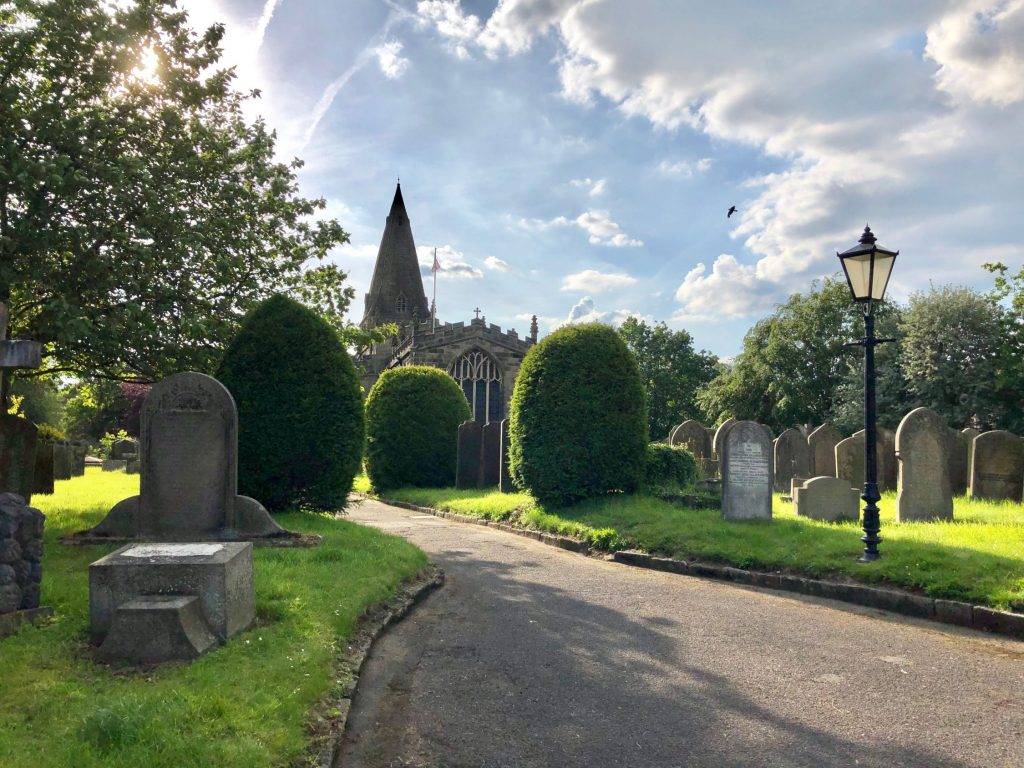
The church of St Peter is situated in the centre of Hope. The present building dates back to the 14th Century, although the village was recorded as having a church in the Domesday Book of 1086. Look out for two ancient stone crosses in its grounds, one of which is Anglo-Saxon, stands 7 feet high and is highly decorated.
Industry and Heritage
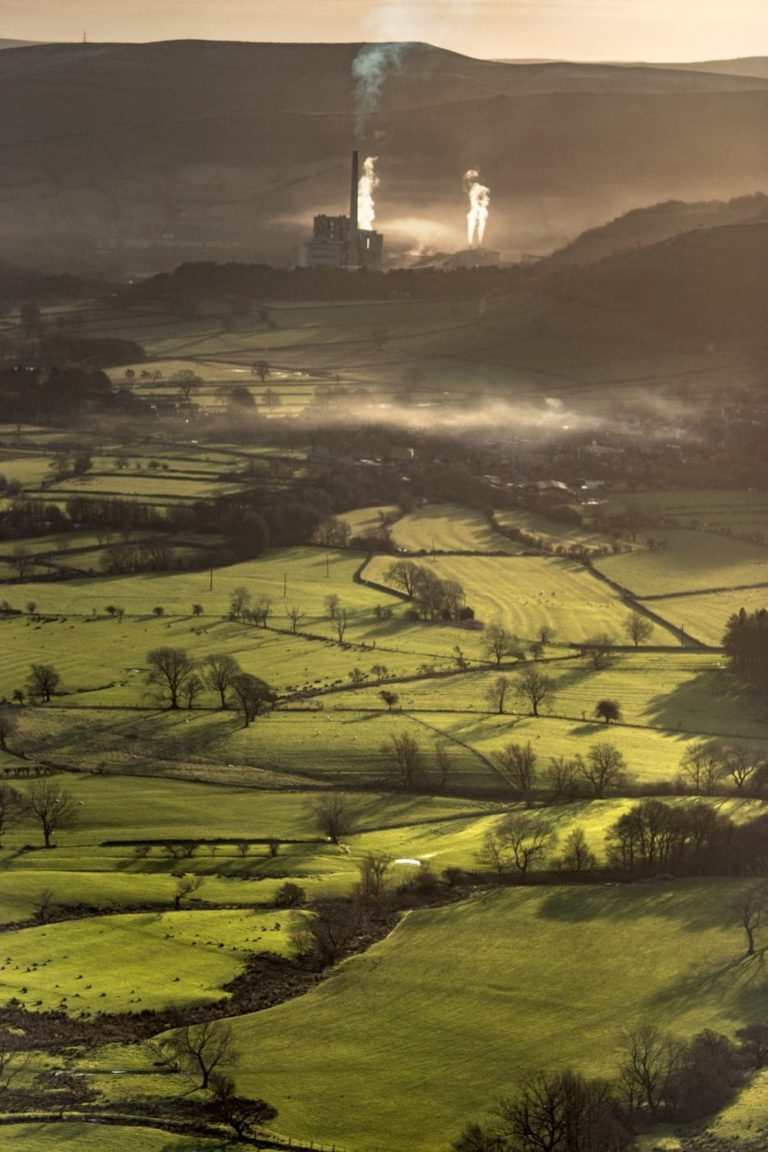
The village has long been a centre of industry, with the Pindale Mine producing large quantities of lead in the 19th Century. More recently, the cement factory that dominates the landscape on the outskirts of Hope was built in 1929, long before the Peak District National Park was created. It is the largest cement plant in the UK, producing around 1.5 million tonnes of cement each year, and is a major source of local employment.
Hope Today
The present-day Hope is a lovely place to spend a few hours, with many walks starting in the village and leading off to Edale, Lose Hill and Win Hill. For refreshments before or after a walk, try the home cooking at Café Adventure. For fabulous food to take away, the lovely Hope Chest Deli is well worth a visit.
Walks from Hope
Why not try our 7 mile walk from Hope train station to Hope Cross, a medieval road marker on a packhorse route? It provides amazing views of this part of the Peak District.
Hope to Hope Cross Walk
This 7 mile walk starts at Hope train station and takes you to Hope Cross, a medieval road marker on a packhorse route. It provides amazing views of this part of the Peak District.
Where to Stay in Hope
Hope offers a range of accommodation options to suit all budgets and preferences. From traditional pubs with rooms to charming guest houses and self-catering cottages, there is something for every visitor.
Accommodation Options
- Traditional pubs with rooms in the village
- Charming guest houses and B&Bs
- Self-catering cottages in the surrounding countryside
- Camping and caravan sites nearby
Top Tips for Your Hope Visit
- Best Time to Visit: Spring and summer offer the best weather for exploring the valley and surrounding hills. Autumn brings stunning colours to the Hope Valley.
- Getting There: Hope is accessible by car via the A6187, and has a railway station with regular services from Sheffield and Manchester.
- Parking: There is parking available in the village, including at the railway station.
- Don’t Miss: The ancient stone crosses in the grounds of St Peter’s Church, and the Roman fort at Brough.
- Explore: The nearby hills of Win Hill and Lose Hill offer spectacular views over the Hope Valley.
Frequently Asked Questions About Hope
Is Hope worth visiting?
Absolutely! Hope is a beautiful, peaceful village in the heart of the Hope Valley, offering stunning scenery, great walks, excellent pubs and cafes, and fascinating history.
What is Hope famous for?
Hope is famous for its location in the Hope Valley, overlooked by Win Hill and Lose Hill. It is also known for the Roman fort at Brough, the ancient stone crosses at St Peter’s Church, and its cement works.
What is the Folly Ring?
The Folly Ring is a Bronze Age barrow located in the village just off Pindale Road. It is a Scheduled Ancient Monument and consists of a steep-sided platform cairn with a diameter of 25.5 metres.
What is Navio Roman Fort?
Navio is a Roman fort located in the nearby hamlet of Brough. It was a substantial structure covering over 2 acres, with sections of the central and boundary walls still visible today.
How old is St Peter’s Church in Hope?
The present St Peter’s Church dates back to the 14th Century, although the village was recorded as having a church in the Domesday Book of 1086.
Are there good walks from Hope?
Yes! Many walks start in the village and lead to Edale, Lose Hill and Win Hill. A popular 7 mile walk goes from Hope train station to Hope Cross, a medieval road marker on a packhorse route.
For more information about visiting the area, explore the official Peak District National Park visiting guide and plan your adventure in this remarkable part of Derbyshire.