


Baslow: A Beautiful Village on the Edge of Chatsworth
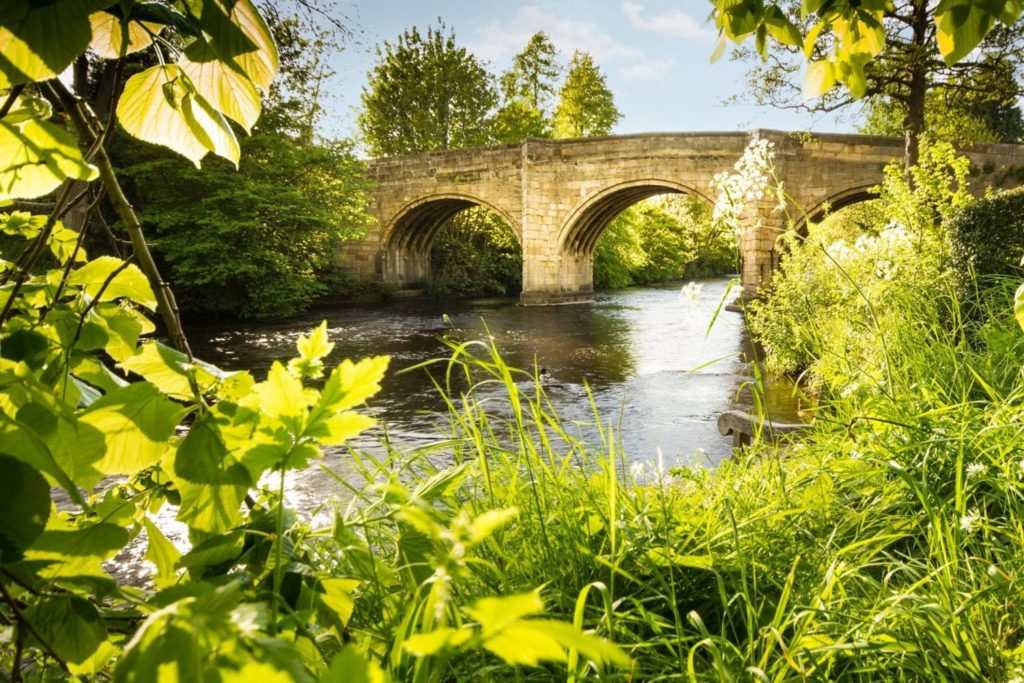
The beautiful village of Baslow is on the edge of the Chatsworth Estate, and makes a perfect place to stay when visiting the area. The village is overlooked by the dramatic gritstone edges of Curbar Edge and Baslow Edge, and the River Derwent runs through it, crossed by a picturesque stone bridge that dates back to 1603.
Planning a visit? Our comprehensive guide covers everything you need to know, from top attractions and walking routes to practical tips for making the most of your trip to this beautiful Derbyshire village.
History and Heritage
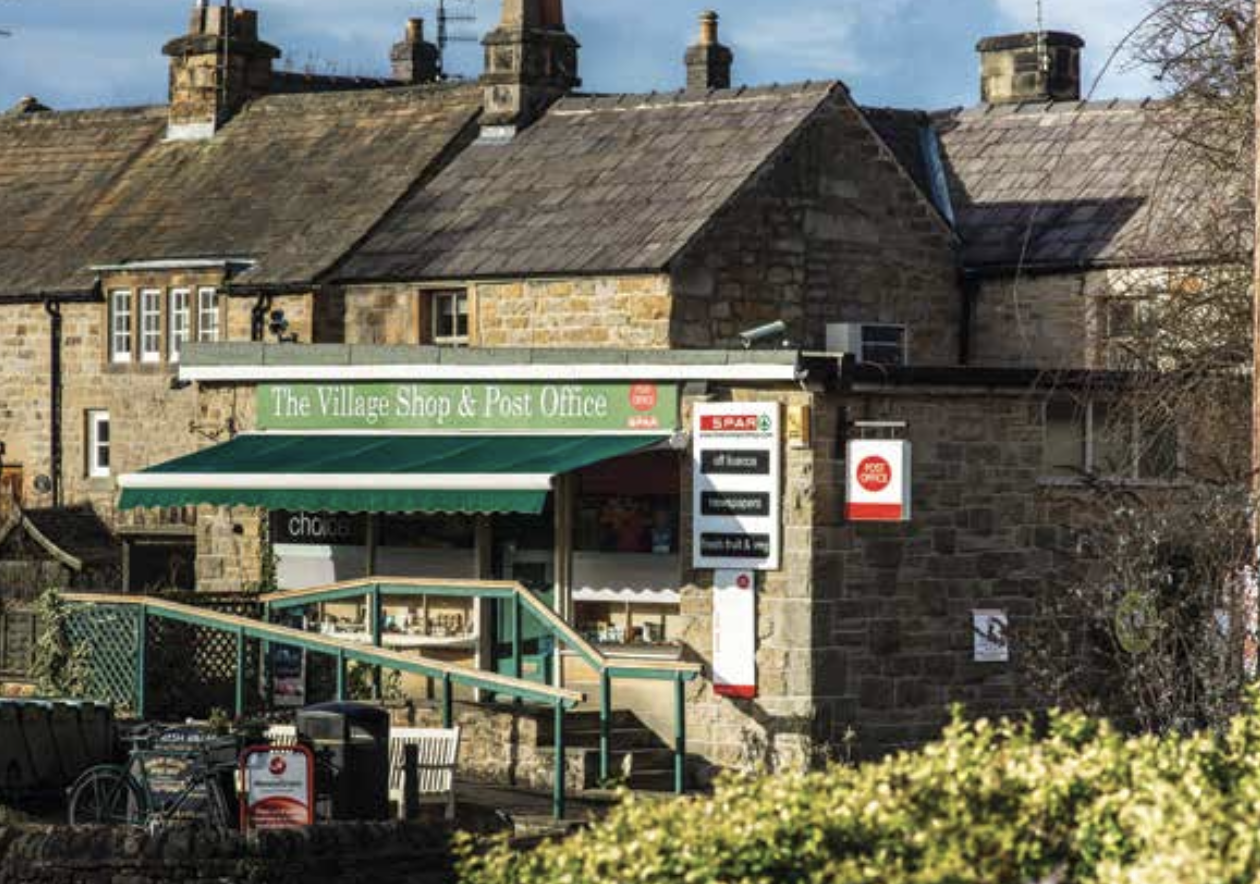
There has been a settlement in this location since Anglo-Saxon times. Visitors will still find a wealth of ancient buildings lining its maze-like streets, including a distinctive toll house on the stone bridge. This tiny 17th Century building was once staffed by villagers who took payment from those wanting to cross the river.
🚌 Bus Routes Serving This Area
The following bus routes serve Baslow and the surrounding area:
🚏 Nearby bus stops:
- Church (opp) → 66 X66 170 218 257 257B BLUE (0.1 mi) → 66, X66, 170, 218 Live TimesStreet View
- Devonshire Bridge (Adj) ↗ 218 257 257B BLUE RED (0.1 mi) → 218, 257, 257B, BLUE Live TimesStreet View
- Devonshire Bridge (Opp) ↙ 218 257 257B BLUE RED (0.1 mi) → 218, 257, 257B, BLUE Live TimesStreet View
- Bubnell Bridge (NE-bound) ↗ 170 218 (0.2 mi) → 170, 218 Live TimesStreet View
🚏 Also on this route — places to visit along the way:
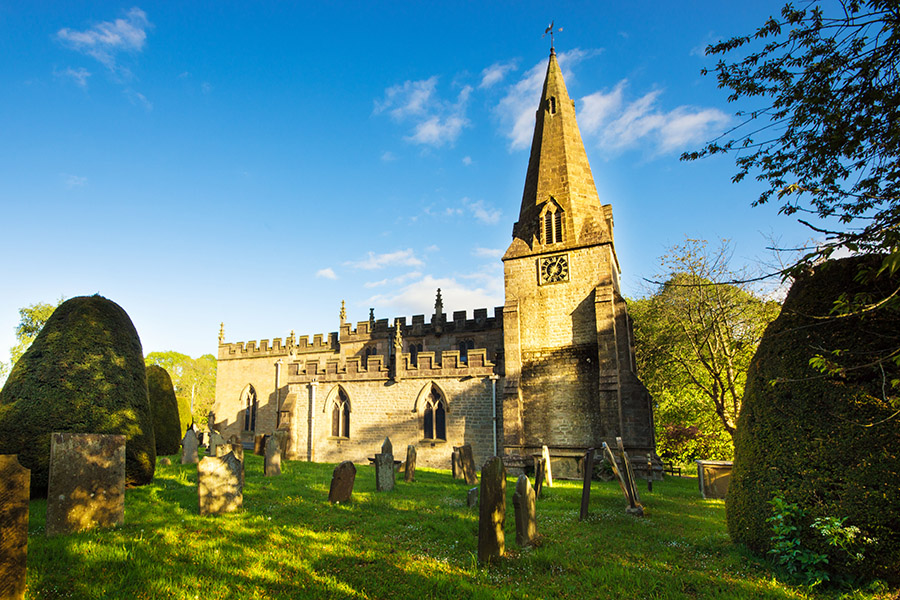
The pretty church of St Anne’s dates back to the 13th Century and is well worth a visit, in its tranquil riverside setting. There are several interesting artefacts inside, including a whip once used for clearing the church of dogs, and an unusual clock commemorating the diamond jubilee of Queen Victoria in 1897.
The Old Ford & Bridge
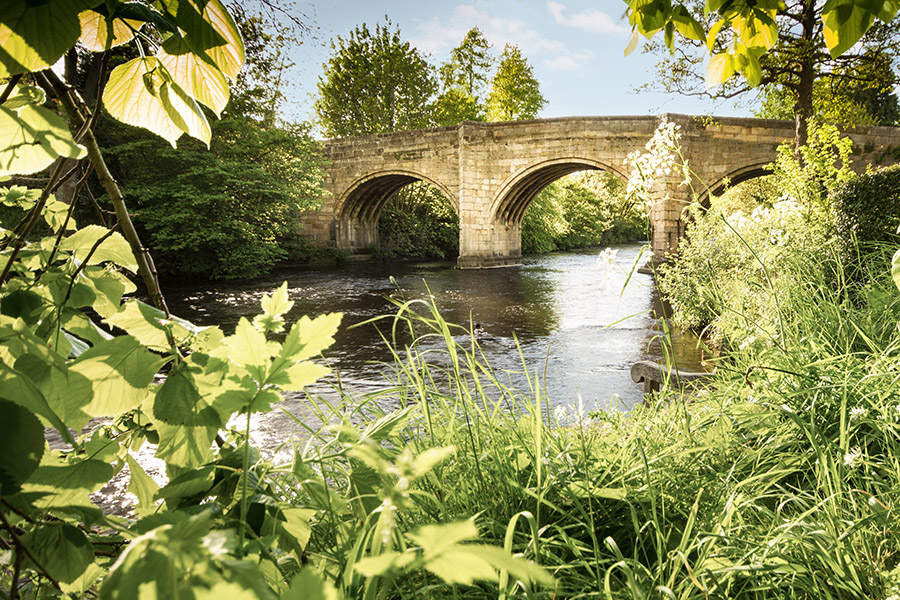
In the case of Baslow, the early packhorse roads from Calver to Bakewell and from Chesterfield to Bakewell converged on the river crossing, close to where the medieval stone bridge was built.
The old ford started at the steps close to the wall of the churchyard and traversed the river diagonally downstream to St Anne’s Close on Bubnell Lane. Some of the old ford’s stones are still visible today, especially when the river is at its lowest during the summer months.
Baslow is first recorded in the Domesday Book as Basselou, an Anglian name meaning the mound or hill of Bassa. Historians suggest that the village names have been in use since around 700AD and it is likely that the ford would have been in use from the early medieval period.
The first bridge on this site was recorded in 1366, with the present bridge built in 1603. It is a sturdy structure and the oldest surviving bridge over the River Derwent. A unique feature is the Watchman’s Hut, where every able-bodied man in the village had to take his turn keeping watch through the night.
By the 1920s its narrow carriageway was inadequate for the increasing traffic and the new Devonshire Bridge was completed in 1925. The weir downstream adds to the picturesque scene, particularly after rainfall when the water rushes over the stones.
Learn More About Baslow’s History
For more information about Baslow and its history, visit the Baslow History Group and Baslow History websites.
Goose Green
Baslow has a picturesque central village green, Goose Green, around which is clustered a range of interesting shops and a lovely tea room, as well as the village hall and park. Also worth exploring here is a quiet lane that leads off Goose Green and runs past a row of quaint thatched cottages and into the oldest part of the village. It eventually crosses a bridge over Bar Brook and into the parkland of the Chatsworth Estate.
Eating and Drinking
The Devonshire Arms and the Cavendish Hotel can also be found close to Goose Green, two of a number of excellent pubs in the village. Baslow also boasts a Michelin-starred restaurant, Fischer’s, which is situated in Baslow Hall, set in beautifully-landscaped grounds on the outskirts of the village.
Fischer’s at Baslow Hall
Visit www.fischers-baslowhall.co.uk for more information.
Curbar Edge and Baslow Edge
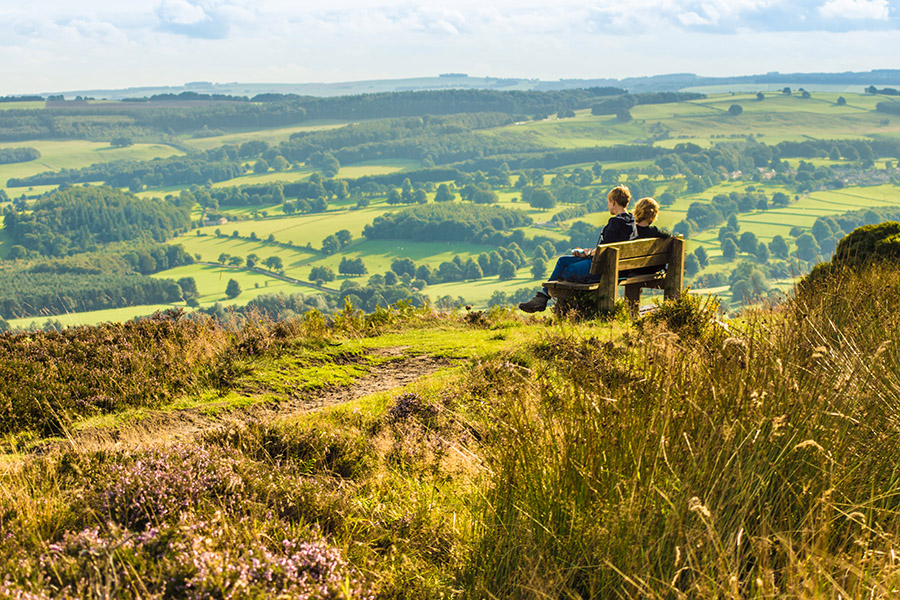
Overlooking Baslow are the magnificent gritstone edifices of Curbar Edge and Baslow Edge, running down from the high moors to the north of the village. Both offer magnificent views over the valley and down into the Chatsworth Estate.

Look out for the Eagle Stone on Baslow Edge, a freestanding 6-metre high block of gritstone. Local tradition was that eligible bachelors had to climb the rock to prove themselves worthy of marriage. Close to the Eagle Stone is the Wellington Monument, erected in 1866 to commemorate a visit by the Duke of Wellington to the moor.
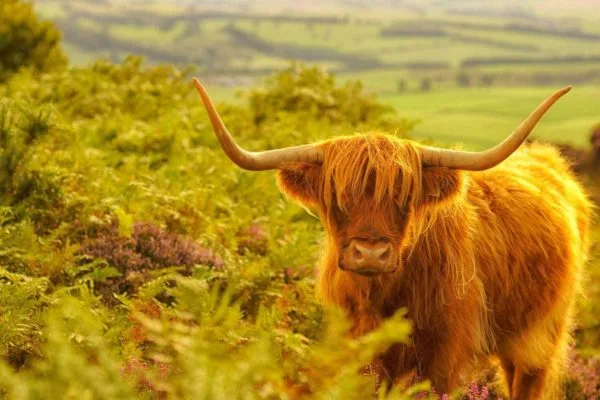
Watch out for the herds of beautiful Highland Cattle that can often be found on Baslow Edge. They are very photogenic and usually placid, but please do exercise caution when walking near to them, particularly if you have dogs or if the cows have calves.
Both Curbar Edge and Baslow Edge are easily accessible from the National Trust car park at Curbar Gap, which is located between the two edges. There are picnic benches and information boards nearby.
Where to Stay in Baslow
Baslow offers a range of accommodation options to suit all budgets and preferences. From the luxurious Cavendish Hotel to charming guest houses and self-catering cottages, there is something for every visitor.
Accommodation Options
- The Cavendish Hotel – luxury accommodation near Chatsworth
- Charming guest houses and B&Bs in the village centre
- Self-catering cottages in the surrounding countryside
- Camping and caravan sites nearby
Top Tips for Your Baslow Visit
- Best Time to Visit: Spring and summer offer the best weather for exploring the edges. Autumn brings stunning colours to the Chatsworth Estate and surrounding woodlands.
- Getting There: Baslow is easily accessible by car via the A619, located just 3 miles from Bakewell.
- Parking: There are car parks in the village, including at the National Trust Curbar Gap car park.
- Don’t Miss: The views from the medieval bridge over the River Derwent, and the spectacular vistas from Curbar Edge and Baslow Edge.
- Explore Chatsworth: Baslow is the perfect base for visiting the magnificent Chatsworth Estate and House.
Frequently Asked Questions About Baslow
Is Baslow worth visiting?
Absolutely! Baslow is a beautiful village on the edge of Chatsworth, offering stunning views from Curbar Edge and Baslow Edge, excellent dining, and a perfect base for exploring the Peak District.
What is Baslow famous for?
Baslow is famous for its position on the edge of Chatsworth Estate, its picturesque Goose Green, the medieval bridge over the River Derwent, the Eagle Stone on Baslow Edge, and its Michelin-starred restaurant Fischer’s at Baslow Hall.
How old is the bridge in Baslow?
The present stone bridge was built in 1603, making it over 420 years old. However, the first bridge on this site was recorded as early as 1366.
What is the Watchman’s Hut on Baslow Bridge?
The Watchman’s Hut on the old bridge is a unique feature where every able-bodied man in the village had to take his turn keeping watch through the night. The custom stopped when the village got its own policeman in the mid-1800s.
How far is Baslow from Chatsworth House?
Baslow is right on the edge of the Chatsworth Estate. The house and gardens are just a short drive or pleasant walk away.
What is the Eagle Stone?
The Eagle Stone is a freestanding 6-metre high block of gritstone on Baslow Edge. Local tradition held that eligible bachelors had to climb the rock to prove themselves worthy of marriage.
Can you walk from Baslow to Curbar Edge?
Yes! Curbar Edge is easily accessible from Baslow. The National Trust car park at Curbar Gap is located between Curbar Edge and Baslow Edge.
Are there good pubs in Baslow?
Yes, Baslow has several excellent pubs including the Devonshire Arms and the Cavendish Hotel, both located near Goose Green.
For more information about visiting the area, explore the official Peak District National Park visiting guide and plan your adventure in this remarkable part of Derbyshire.