


Ashbourne: The Gateway to the Peak District
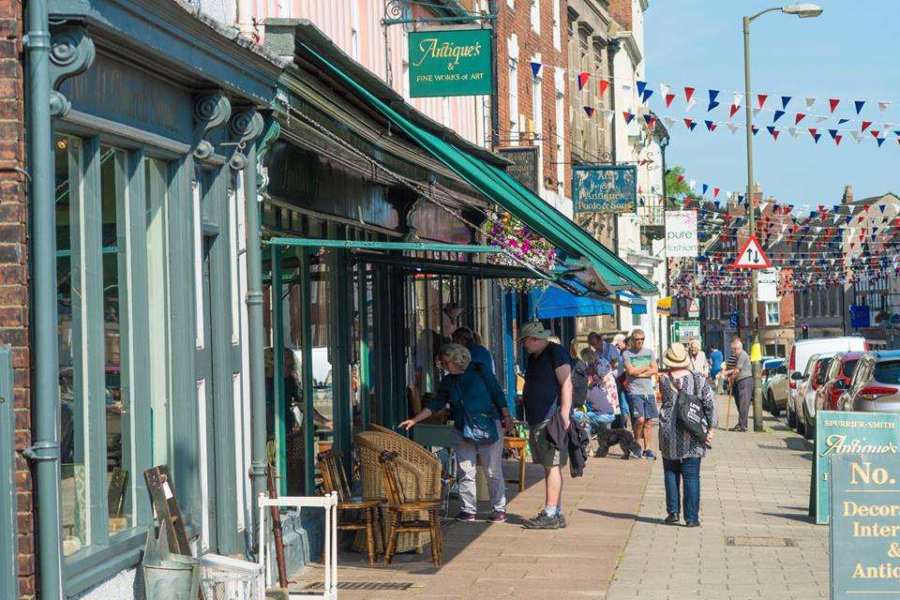
The picturesque town of Ashbourne is known as the Gateway to the Peak District. It is certainly the perfect base from which to explore the spectacular White Peak countryside, and the town itself has loads to offer the visitor, with beautiful architecture, plenty of independent shops and lovely cafés.
Planning a visit? Our comprehensive guide covers everything you need to know, from top attractions and walking routes to practical tips for making the most of your trip to this beautiful Derbyshire town.
The History of Ashbourne
Ashbourne is a town steeped in history. The magnificent St Oswald’s Church dates from around 1220 and its towering spire can be seen from pretty much everywhere in the town, standing at 215ft tall. Ashbourne was granted a charter for a market in 1257 and a market still takes place twice a week in the quaint cobbled town centre.
🚌 Bus Routes Serving This Area
The following bus routes serve Ashbourne and the surrounding area:
🚏 Nearby bus stops:
- Market Place (adj) ↖ 005 009 111 114 441 442 SW 🏛️ HUB Hub (0 mi) → 005, 009, 111, 114 Live TimesStreet View
- Market Place (opp) ↘ 441 442 🏛️ HUB Hub (0 mi) → 441, 442 Live TimesStreet View
- Victoria Square (Adj) ↗ 009 114 441 442 SW (0.1 mi) → 009, 114, 441, 442 Live TimesStreet View
- Shawcroft Car Park (Adj) → 111 (0.1 mi) → 111 Live TimesStreet View
🚏 Also on this route — places to visit along the way:
Evidence of the town’s history is literally around every corner, with a wealth of beautiful, ancient buildings lining the narrow streets.
The Old Grammar School is well worth stopping to admire. It was founded in 1585, after a group of townspeople convinced Queen Elizabeth I of the need for an educational establishment in the town, and it remained in use for over 300 years, with boys aged 6-9 years receiving lessons there until 1903.
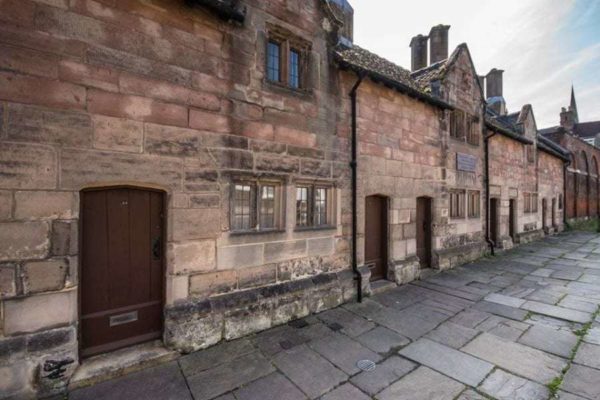
There are also a number of picturesque 17th and 18th Century almshouses throughout Ashbourne, including Owlfield’s Almshouses, Pegg’s Almshouses and Spalden’s Almshouses.
During the Georgian period the town was a popular stopover point for travellers, with no fewer than six main coaching routes converging here. As a result, you will find many fine Georgian houses and coaching inns here, the most famous of which was probably the Green Man and Black’s Head Royal Hotel, built in the 1750s. As well as providing the hungry coach travellers with food and ale, it also served as the local Magistrates and County Court. The rare ‘gallows’ sign for the inn still stretches over St John’s Road, with the face smiling on one side as the visitor enters the town and looking sad on the other side as the visitor leaves.
Ashbourne Today
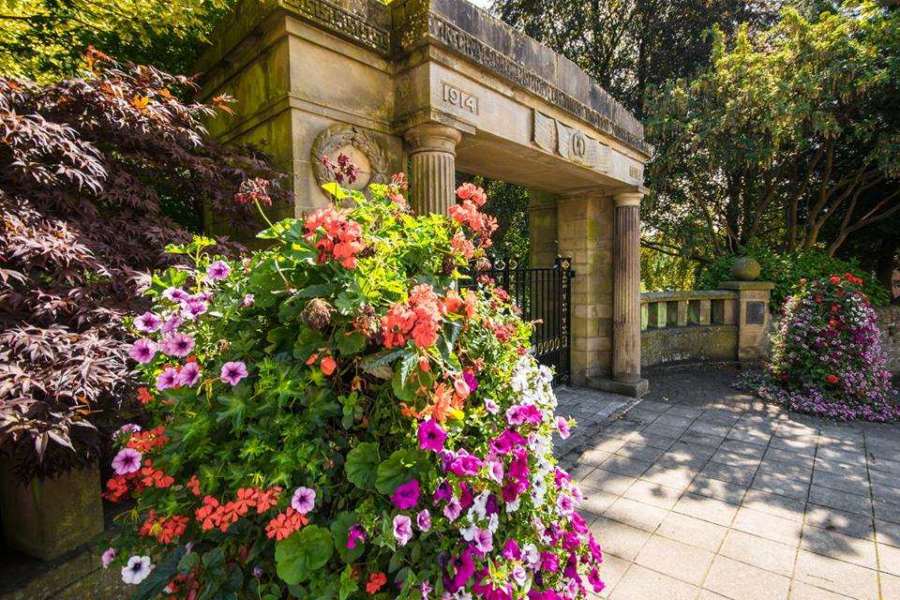
Ashbourne in Derbyshire today is a vibrant town with plenty of interesting shops to browse around, as well as a great collection of cafés and pubs to refresh visitors afterwards. The Memorial Gardens on the edge of the town, complete with stream and duck pond, provide the perfect spot to escape the hustle and bustle or enjoy a picnic.
Royal Shrovetide Football
Ashbourne is famed throughout the Peak District, and indeed throughout the whole country, for the ancient tradition of Royal Shrovetide Football. Bearing little resemblance to actual football, this is a game played every Shrove Tuesday and Ash Wednesday in February, involving hundreds of players, where one half of the town plays the other half. The goals are 3 miles apart and the large ball – which is traditionally painted by local craftspeople – can be kicked, carried or thrown through the streets.

Out and About near Ashbourne
As pretty as the town is, part of the beauty of Ashbourne in Derbyshire undoubtedly lies in its spectacular location. It is situated on the southern edge of the Peak District National Park amid the rolling hills of the White Peak, very close to the stunning area of Dovedale and the very pretty village of Ilam, both of which should feature on the itinerary of any visitor to the town.
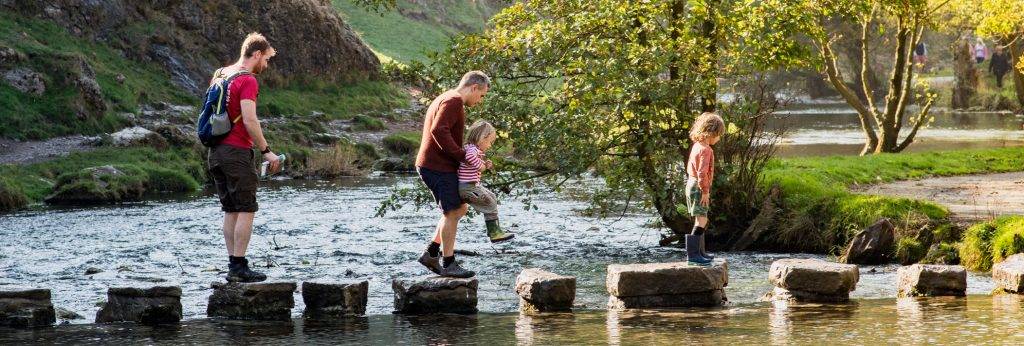
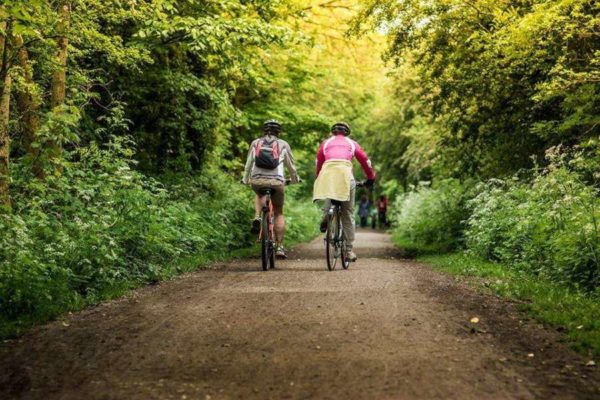
Outdoor enthusiasts will also love the fact that the Tissington Trail starts on the northern edge of the town. A former railway line, the 13 mile long trail stretches from Ashbourne to Parsley Hay, taking in some of the most spectacular White Peak countryside along the way. It is hugely popular with walkers, cyclists and horse-riders, and rightly so.
Another treat for walkers is the Limestone Way, which passes very close to Ashbourne. This challenging 46 mile long trail starts in Rocester and ends in Castleton, passing through a collection of truly beautiful Peak District villages.
Where to Stay in Ashbourne
Ashbourne offers a range of accommodation options to suit all budgets and preferences. From historic coaching inns to charming guest houses and self-catering cottages, there is something for every visitor.
Accommodation Options
- Historic coaching inns in the town centre
- Charming guest houses and B&Bs
- Self-catering cottages in the surrounding countryside
- Camping and caravan sites nearby
Top Tips for Your Ashbourne Visit
- Best Time to Visit: Spring and summer offer the best weather for exploring the White Peak countryside. Autumn brings stunning colours to the surrounding valleys and hills.
- Getting There: Ashbourne is easily accessible by car via the A52 and A515, and has bus connections from Derby and Buxton.
- Parking: There are several car parks in the town centre, including near the Memorial Gardens.
- Don’t Miss: The Tissington Trail for walking and cycling, and the nearby beauty of Dovedale.
- Explore: The quaint cobbled town centre with its independent shops and historic buildings.
Frequently Asked Questions About Ashbourne
Is Ashbourne worth visiting?
Absolutely! Ashbourne is a beautiful town with a rich history, stunning architecture, independent shops, and a perfect location for exploring the White Peak countryside.
What is Ashbourne famous for?
Ashbourne is famous for its magnificent St Oswald’s Church, the ancient tradition of Royal Shrovetide Football, its Georgian coaching inns with the rare ‘gallows’ sign, and its position as the Gateway to the Peak District.
What is Royal Shrovetide Football?
Royal Shrovetide Football is an ancient tradition played every Shrove Tuesday and Ash Wednesday. It involves hundreds of players from two halves of the town, with goals 3 miles apart. The ball can be kicked, carried or thrown through the streets.
How old is St Oswald’s Church in Ashbourne?
St Oswald’s Church dates from around 1220 and its spire stands at 215ft tall, visible from most parts of the town.
What is the Tissington Trail?
The Tissington Trail is a 13 mile former railway line that starts on the northern edge of Ashbourne and stretches to Parsley Hay. It is popular with walkers, cyclists and horse-riders.
Is there parking in Ashbourne?
Yes, there are several car parks in the town centre, including parking near the Memorial Gardens. However, they can fill up quickly during peak times and events.
What is the Limestone Way?
The Limestone Way is a challenging 46 mile long trail that passes close to Ashbourne. It starts in Rocester and ends in Castleton, passing through beautiful Peak District villages.
For more information about visiting the area, explore the official Peak District National Park visiting guide and plan your adventure in this remarkable part of Derbyshire.