


Whaley Bridge: A Pretty Gateway Town to the Goyt Valley
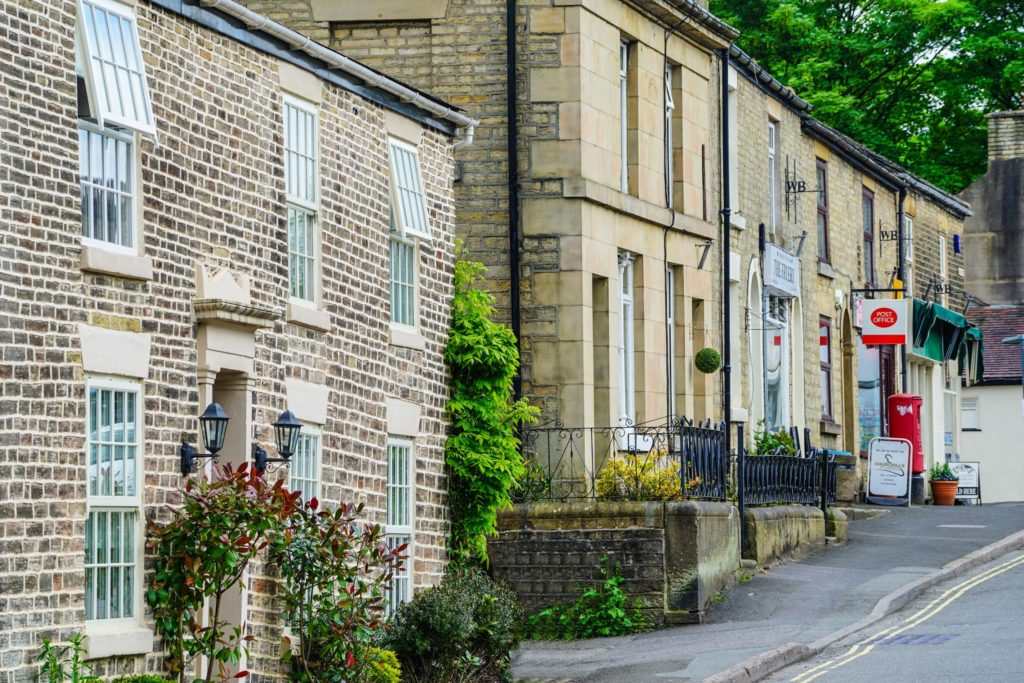
Whaley Bridge is a pretty little town on the western edge of the Peak District, situated on a crossing of the River Goyt. Although it sits outside the boundary of the national park, it is an important gateway town to the beautiful Goyt Valley and has much to offer the visitor.
Planning a visit? Our comprehensive guide covers everything you need to know, from top attractions and walking routes to practical tips for making the most of your trip to this beautiful Derbyshire town.
A Gateway to the Goyt Valley
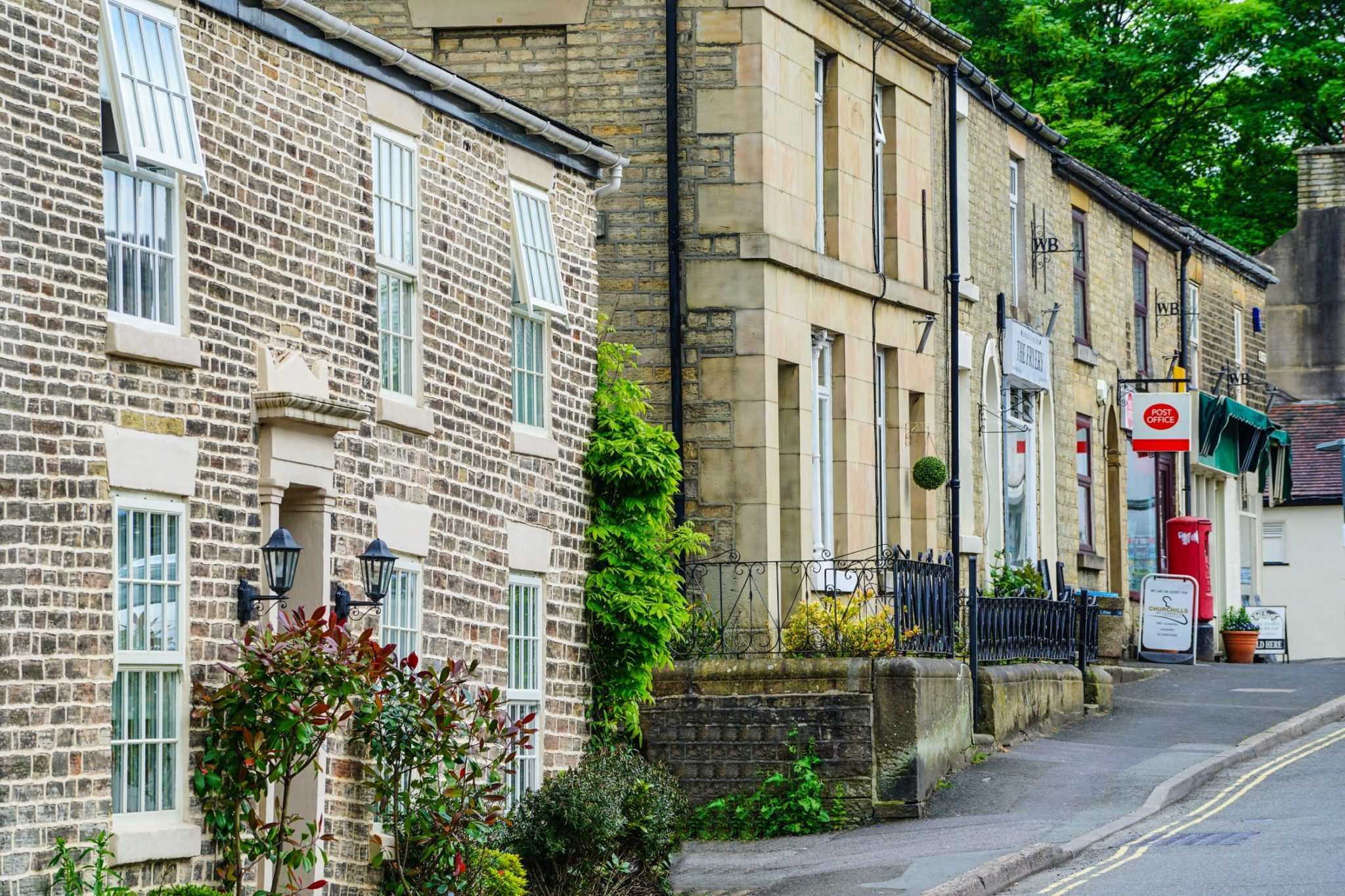
There is plenty to see and do in the area, and Whaley Bridge is surrounded by the most beautiful countryside. The Goyt Valley is a designated Area of Outstanding Natural Beauty, and Whaley Bridge has long attracted tourists and outdoors enthusiasts, drawn to it as a base for hiking, running and cycling.
🚌 Bus Routes Serving This Area
The following bus routes serve Whaley Bridge and the surrounding area:
🚏 Nearby bus stops:
- White Horse (opp) ↓ 60 60A 61 190 199 (0.1 mi) → 60, 60A, 61, 190 Live TimesStreet View
- Goyt Road (Opp) ← 58 60 60A (0.2 mi) → 58, 60, 60A Live TimesStreet View
- Old Road (Adj) ↘ 190 199 (0.2 mi) → 190, 199 Live TimesStreet View
- White Horse (After) ↑ 60 60A 61 190 199 (0.2 mi) → 60, 60A, 61, 190 Live TimesStreet View
🚏 Also on this route — places to visit along the way:
Ancient History
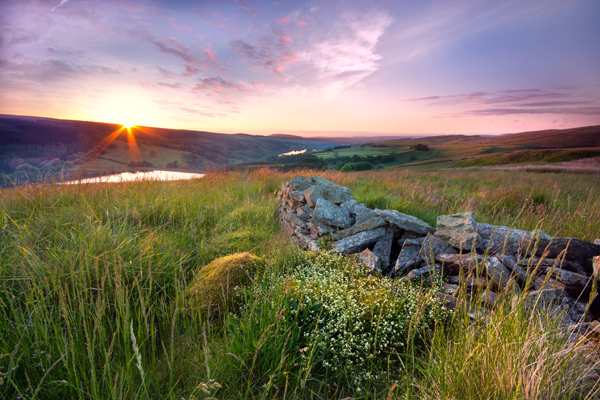
There is evidence of ancient civilisation all around the area that now makes up Whaley Bridge, with Bronze Age standing stones and a burial site, as well as the remains of a stone circle. The name Whaley appears in a number of 13th Century documents, originally meaning a clearing or grazing ground by the road.
Industrial Heritage
The town grew as a centre for coal mining in the late 16th Century, but it boomed in size and importance in the 18th and 19th Centuries after the completion of the Peak Forest Canal in 1800, of which there was a branch to Whaley Bridge. The canal was used primarily to transport coal, linking up with the Cromford and High Peak Railway. The canal still runs through Whaley Bridge, although now it is used for pleasure and recreation rather than industry. The Grade II listed canal warehouse, dating from 1832, can still be seen in the town.

Whaley Bridge Today
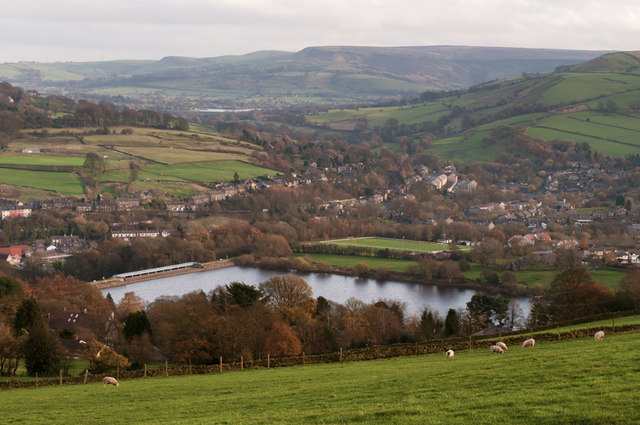
Whaley Bridge in its current form was created in the late 1930s, made up of a number of parishes nearby, including parts of Chapel-en-le-Frith, Fernilee, Disley, Taxal and Kettleshulme. It is now a small, bustling town, with plenty of independent shops to browse around and a number of great pubs and restaurants. There are also some lovely walks along the Peak Forest Canal and around the canal basin. The nearby reservoir of Toddbrook, constructed in 1831 as a feeder system for the waterways, is also well worth a visit. Whaley Bridge is particularly lively in June, when the annual Whaley Water Weekend takes place, a popular music and arts festival.
Where to Stay in Whaley Bridge
Whaley Bridge offers a range of accommodation options to suit all budgets and preferences. From traditional pubs with rooms to charming guest houses and self-catering cottages, there is something for every visitor.
Accommodation Options
- Traditional pubs with rooms in the town
- Charming guest houses and B&Bs
- Self-catering cottages in the surrounding countryside
- Camping and caravan sites nearby
Top Tips for Your Whaley Bridge Visit
- Best Time to Visit: Spring and summer offer the best weather for exploring the Goyt Valley. June is particularly lively with the Whaley Water Weekend festival.
- Getting There: Whaley Bridge is accessible by car via the A6 and A5004, and has a railway station with direct services from Manchester and Buxton.
- Parking: There is parking available in the town, including near the canal basin.
- Don’t Miss: The Peak Forest Canal, the Grade II listed canal warehouse, and the beautiful Goyt Valley.
- Explore: Toddbrook Reservoir and the surrounding countryside offer wonderful walking and cycling opportunities.
Frequently Asked Questions About Whaley Bridge
Is Whaley Bridge worth visiting?
Absolutely! Whaley Bridge is a pretty town with a fascinating history, independent shops, great pubs and restaurants, and beautiful countryside on its doorstep. It is the perfect gateway to the Goyt Valley.
What is Whaley Bridge famous for?
Whaley Bridge is famous for its location on the Peak Forest Canal, its Grade II listed canal warehouse, its position as a gateway to the Goyt Valley, and the annual Whaley Water Weekend festival.
What is the Goyt Valley?
The Goyt Valley is a designated Area of Outstanding Natural Beauty on the western edge of the Peak District. It is popular with hikers, runners and cyclists.
Is Whaley Bridge in the Peak District National Park?
Whaley Bridge sits just outside the boundary of the Peak District National Park, but it is an important gateway town to the beautiful Goyt Valley.
What is the Whaley Water Weekend?
The Whaley Water Weekend is an annual music and arts festival that takes place in June, making the town particularly lively during this time.
What is Toddbrook Reservoir?
Toddbrook Reservoir was constructed in 1831 as a feeder system for the waterways. It is well worth a visit and offers lovely walks in the area.
Is there a train station in Whaley Bridge?
Yes, Whaley Bridge has a railway station with direct services from Manchester and Buxton.
For more information about visiting the area, explore the official Peak District National Park visiting guide and plan your adventure in this remarkable part of Derbyshire.