


A Visit to Youlgreave
Youlgreave is one of the largest and most historic villages in the Peak District, standing high above the confluence of Lathkill Dale and Bradford Dale. This ancient settlement dates back to the Neolithic Age, with the famous stone henge of Arbor Low just 3 miles west. The village is home to fascinating buildings including Thimble Hall, listed in the Guinness Book of World Records as the world’s smallest detached house. Youlgreave is also unusual in having its own private water company, formed in 1829 and still supplying over 500 households today. The village offers a great range of shops, cafés, three pubs and a Post Office, making it a perfect destination for a day out combined with a walk through the stunning surrounding countryside. The nearby River Bradford provides a beautiful picnic spot, and the Farmyard Inn offers delicious home cooked food and comfortable accommodation for those wishing to stay longer.
Youlgreave (Youlgrave)
The beautiful village of Youlgreave (or Youlgrave) is one of the largest in the Peak District. It’s a wonderful place to explore with history around every corner, and it’s surrounded by stunning countryside.
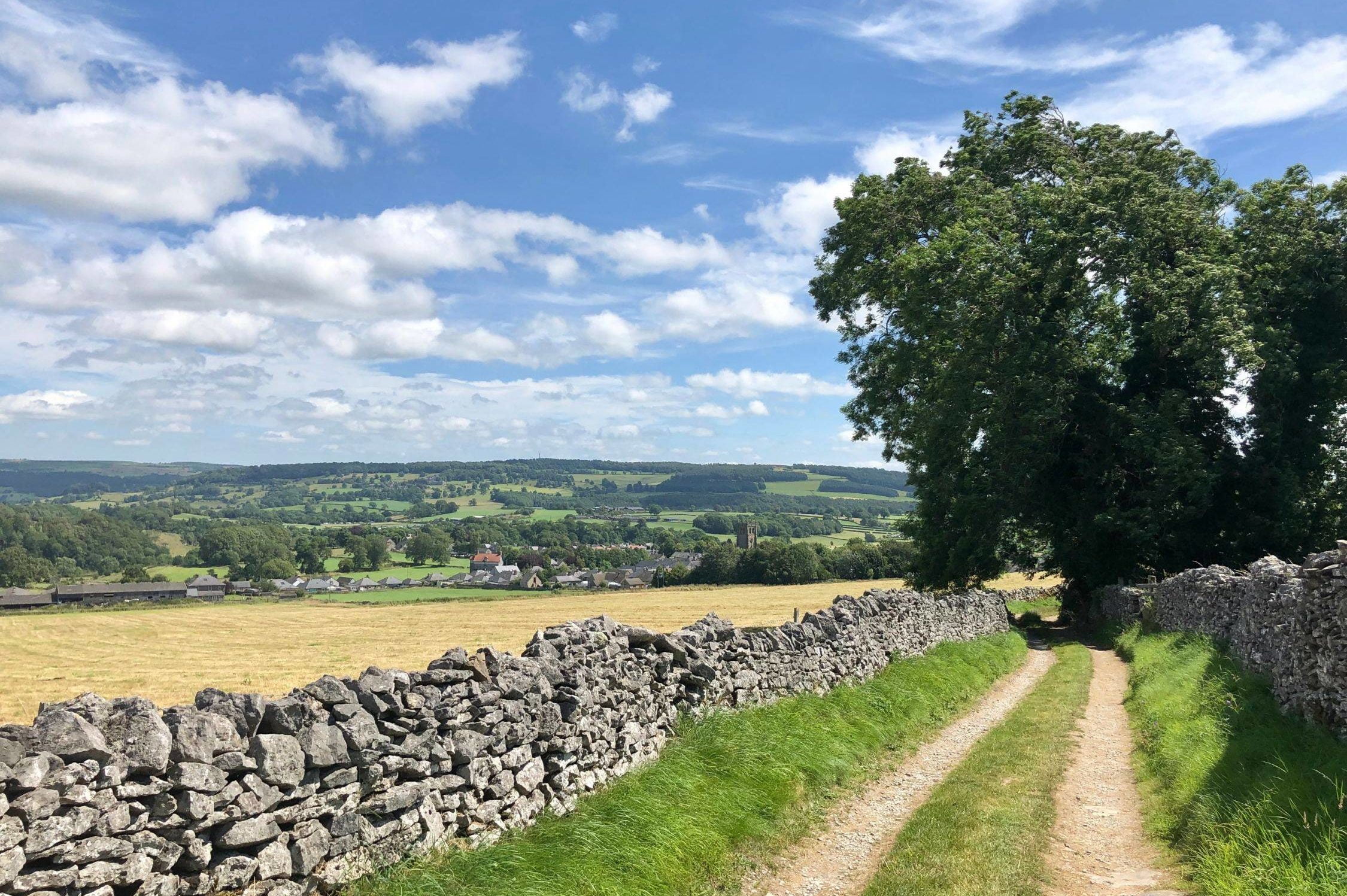
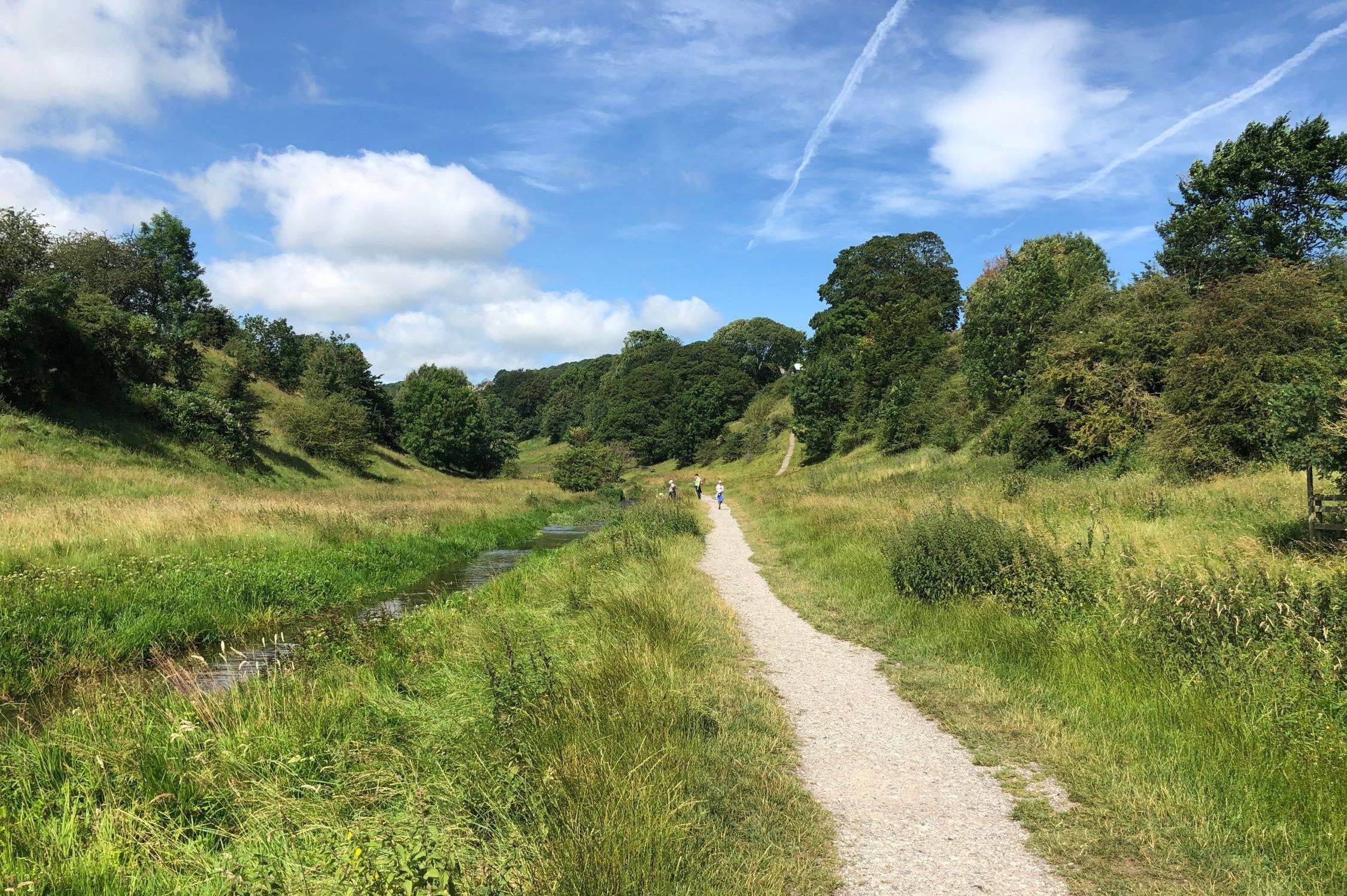
The village stands high above the confluence of Lathkill Dale and Bradford Dale, with the crystal-clear rivers running through the valleys below. It’s an easy walk from the village to the wide grassy banks of the River Bradford, which is a perfect picnicking spot – but please do take all your litter home with you!
Youlgrave is an ancient settlement, with evidence of habitation back to the early Neolithic Age. The stone henge of Arbor Low, one of the largest in England, is only 3 miles west of the village.
There are a number of old and fascinating buildings still standing in the village, including the quaint Thimble Hall (c 1650), listed in the Guinness Book of World Records as the world’s smallest detached house!
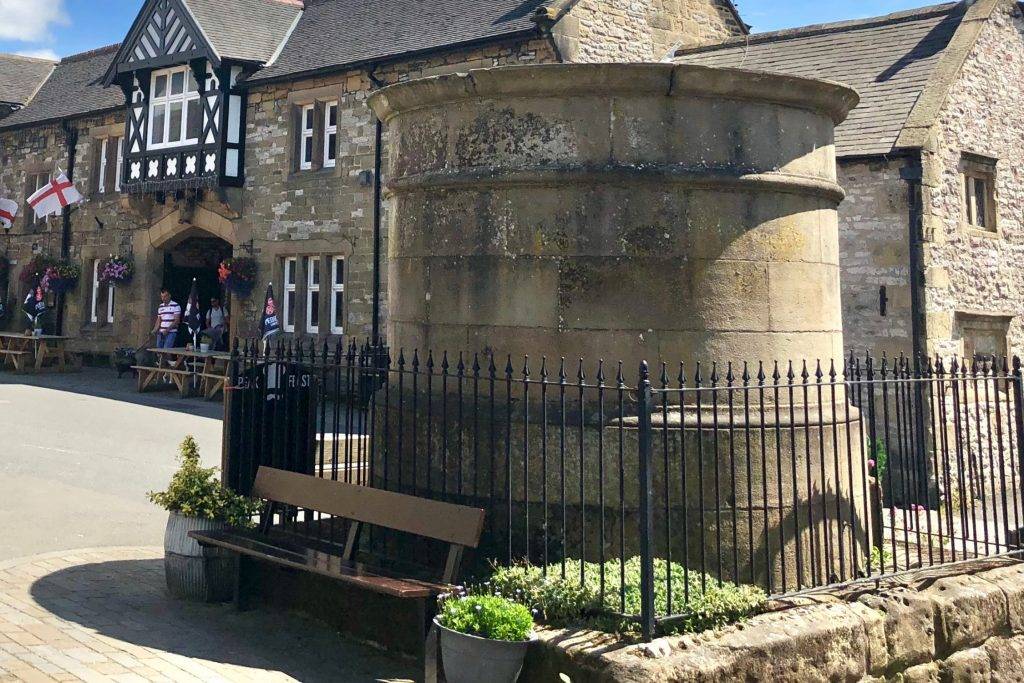
Interestingly, Youlgreave is one of very few villages in the UK to get most of its water supplies from a private water company. This was formed in 1829 when the local Friendly Society for Women funded a scheme to pipe water from a local spring into a conduit head in the village. This fountain still stands there today and the Youlgreave Waterworks Ltd is still a successful, not-for-profit company, supplying 500 households and businesses in the village with more than 22 million gallons of water every year.
Youlgreave or Youlgrave?
Youlgreave is referred to in the Domesday Book of 1086 as ‘Giolgrove’, most likely meaning ‘Yellow Grove’, a reference to the yellow ore that was mined locally. From such clear beginnings, however, Youlgreave is now one of the most misspelt village names in the area, if not the country, and there are no less than 60 different recorded spellings of the name. The road sign on entering the village uses the spelling ‘Youlgreave’, although the Highways Agency use ‘Youlgrave’ on a number of different local signposts throughout the area. Most locals also use ‘Youlgrave’, although the official name on Ordnance Survey maps is ‘Youlgreave’.
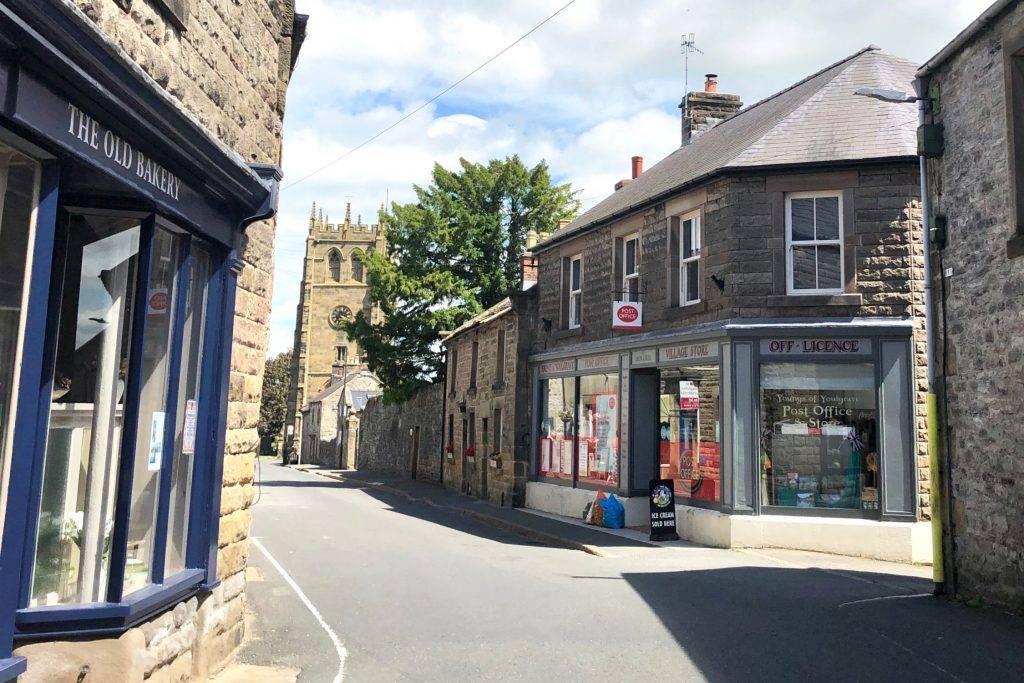
Today, the village is a lively, bustling village, with a great range of shops, cafés, three pubs and a Post Office, and it makes a perfect destination for a day out, combined with a walk into the beautiful countryside that surrounds the village in all directions.
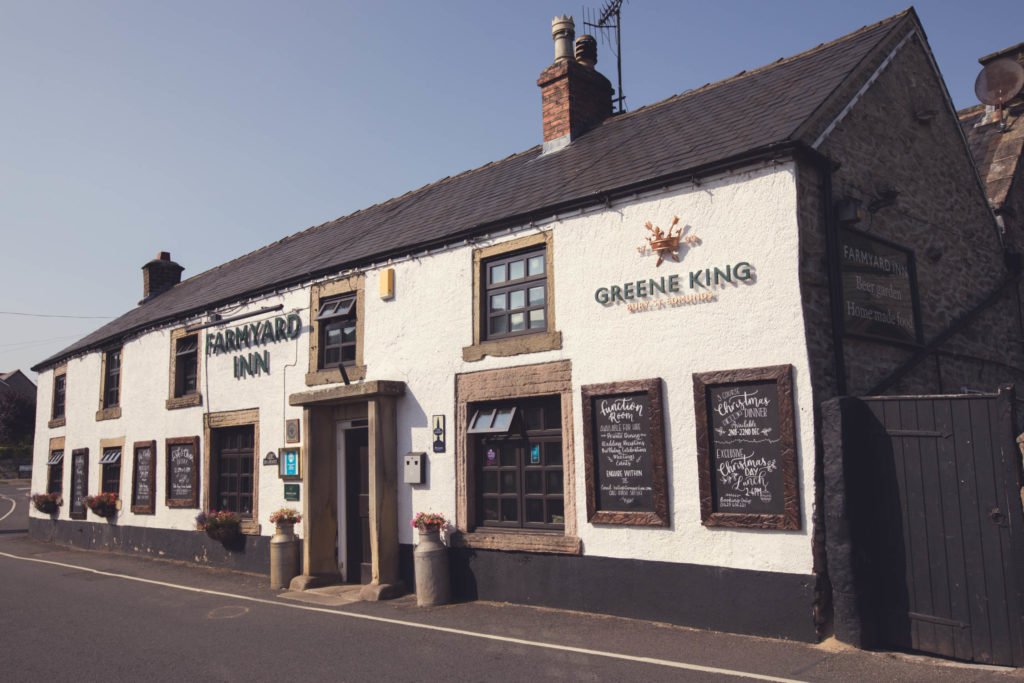
For a great place to eat or stay overnight in Youlgreave, call in at Farmyard Inn in the heart of the village. It serves delicious home-cooked food and has four spacious, comfortable guest rooms available on a Bed & Breakfast basis.
Find out more
For more information about Youlgreave, click on the button below:
If the historic charm and stunning surroundings of Youlgrave have made you want to explore more, the Peak District has many more beautiful villages and walks to discover. The lovely village of Monyash offers a similar experience with its duck pond and country inn, while the beautiful town of Bakewell is the ancient capital of the Peak District. The mysterious Rowtor Rocks near Birchover features ancient carvings and cave tunnels, and the Nine Ladies Stone Circle offers a fascinating glimpse into Bronze Age history. For more village inspiration, visit our Dovedale & White Peak Villages Guide.
