


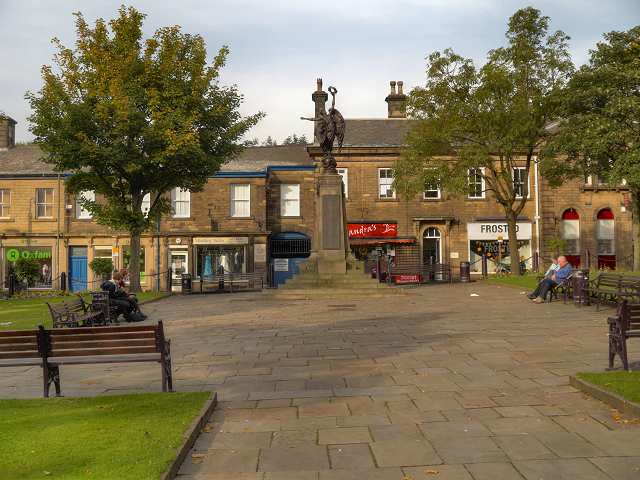
Glossop: A Vibrant Market Town on the Edge of the Peak District
The bustling market town of Glossop is located in the High Peak of Derbyshire, on the northwestern reaches of the Peak District National Park. It is set in spectacular surroundings, has a wealth of history, and lots to offer visitors to the area.
Planning a visit? Our comprehensive guide covers everything you need to know, from top attractions and walking routes to practical tips for making the most of your trip to this beautiful Derbyshire town.
Ancient History
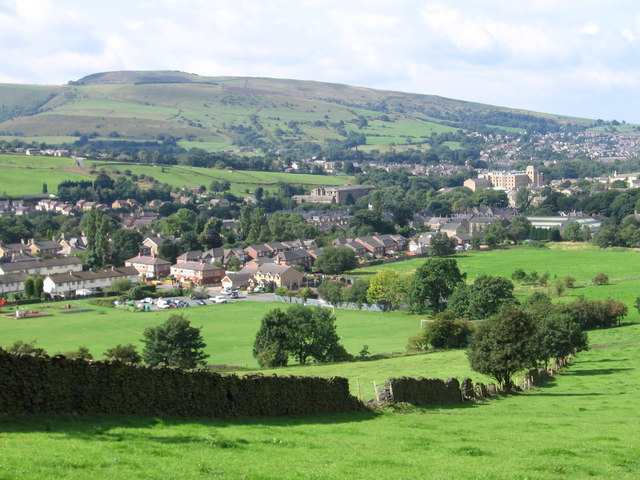
Glossop is an ancient settlement, with evidence of a Bronze Age burial site at Shire Hill and other prehistoric remains within the moorland on the edge of the town. With the arrival of the Romans in England Glossop became a prominent territory, and in AD75 the Romans built a military fort in the area, named Ardotalia. Now known as Melandra Castle, the earthworks are open to the public. At one time this was clearly an impressive structure, originally built of earth and timber but rebuilt in stone in the early 2nd Century.
🚌 Bus Routes Serving This Area
The following bus routes serve Glossop and the surrounding area:
🚏 Nearby bus stops:
- Market Hall (Adj) ← 61 237 341 390 393 394 HUB Hub (0 mi) → 61, 237, 341, 390 Live TimesStreet View
- Highfield Road (W-bound) ← 390 (0.3 mi) → 390 Live TimesStreet View
- Acre Court (Adj) → 390 (0.4 mi) → 390 Live TimesStreet View
- Hall Meadow Road (NE-bound) 390 (0.4 mi) → 390 Live TimesStreet View
🚏 Also on this route — places to visit along the way:
Industrial Heritage
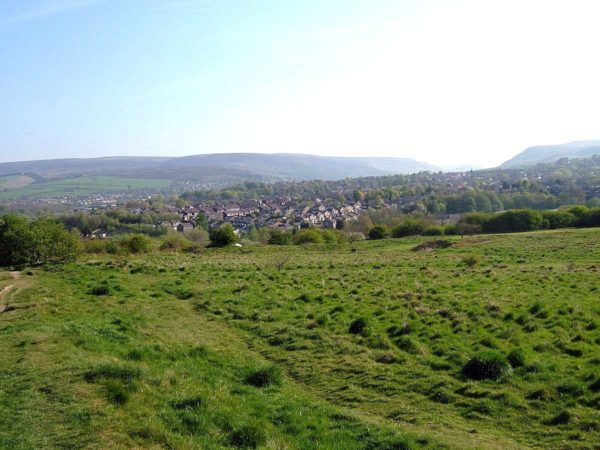
Glossop was recorded as a hamlet in the Domesday Book of 1086. Gaining a market charter in the 13th Century, it became a successful centre for wool trading and expanded greatly throughout the centuries. During the Industrial Revolution in the 18th Century, Glossop became renowned for the production of cotton. The damp climate and plentiful water supply made it an ideal base for textile mills and less than a century later there were more than forty cotton mills in the town, adding to its wealth.
Glossop Today
Glossop today is still a large, vibrant place, with a wide range of independent shops and cafés. It remains a thriving market town, with indoor and outdoor markets every week, as well as a local produce fair on the second Saturday of every month. And interesting traces of its industrial heritage are still evident in the winding streets. Two of the former cotton mills remain: Howard Town Mill and Wren Nest Mill. Both have now been converted and are home to luxury accommodation, pubs and shops.
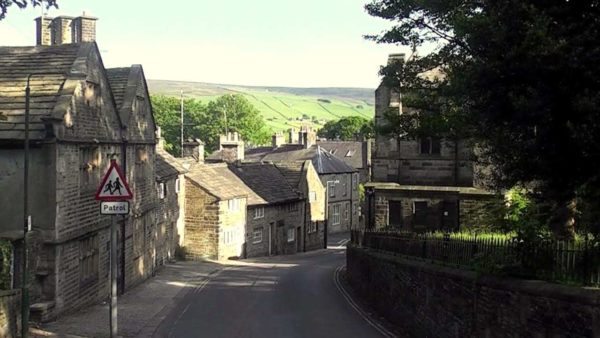
The area known as Old Glossop is particularly worth exploring. A designated Conservation Area, parts of it date back to the 12th Century, with a number of pretty stone cottages and a medieval market cross. The area known as Manor Park was once the grounds of the Duke of Norfolk’s manor house, but is now a large, landscaped park, perfect for summer picnics. It has an ornamental lake, numerous children’s play areas and even a miniature train (running between 11am-4pm at weekends and during school holidays between April and September).
Gateway to the Peak District
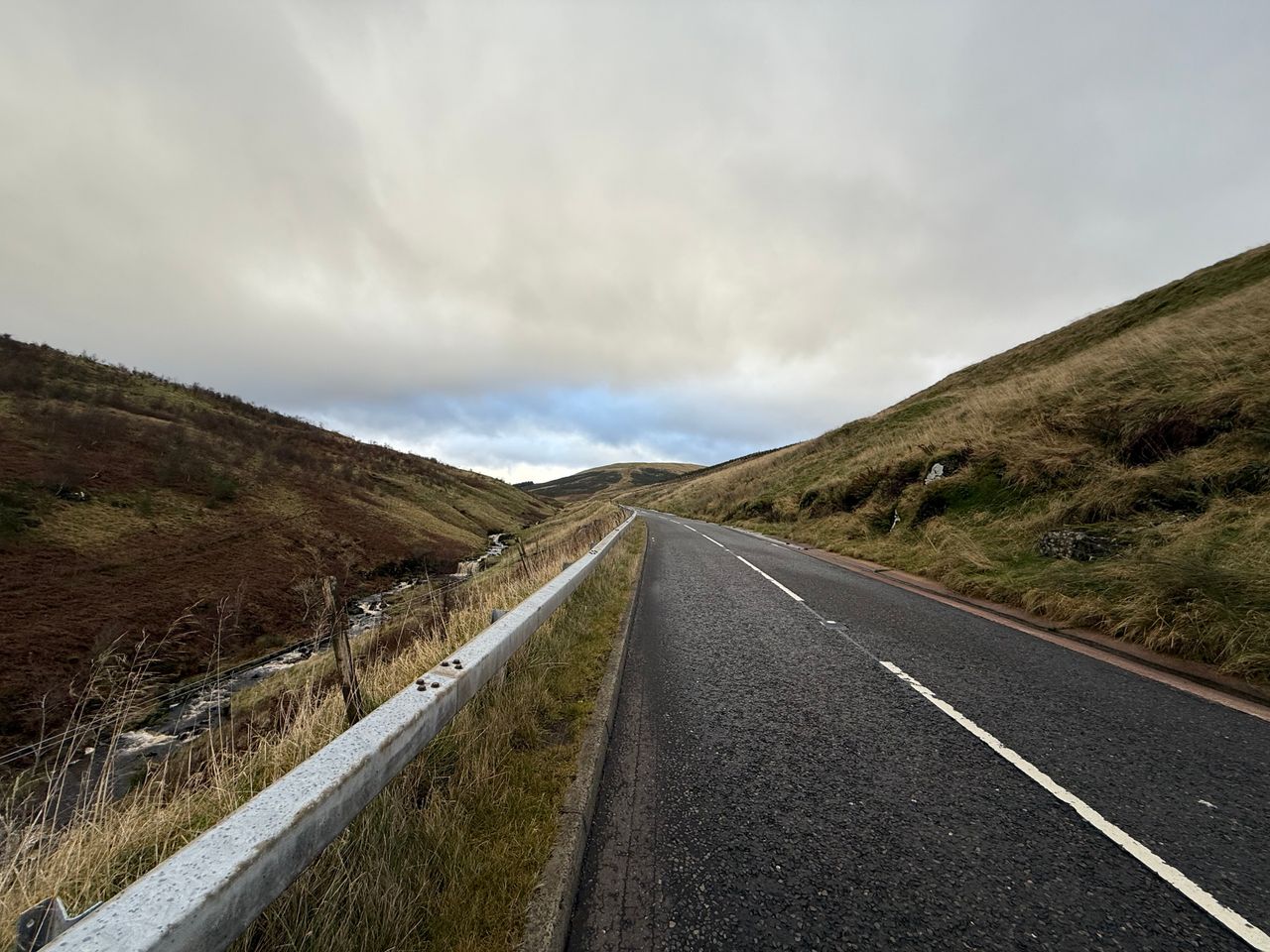
Glossop is a gateway town to the Peak District, so it is no surprise that the countryside around the town is wild and beautiful. The vast, rugged expanses of Bleaklow lie to the northeast, and Kinder Scout to the south, the highest point in the Peak District at 2,087 feet high. Only a few miles out of the town is the famous Snake Pass, a high, twisting road that leads through the most spectacular hills and moorland over to Sheffield.
Bleaklow is one of the wildest and most remote areas of the Peak District, a vast expanse of peat moorland that offers challenging walking and spectacular views. The wreckage of a wartime B-29 Superfortress bomber, which crashed in 1948, is still visible on the moor and has become a point of interest for walkers exploring the area.
Snake Pass, the A57 road that winds through the hills between Glossop and Sheffield, is one of the most dramatic drives in the Peak District. Rising to over 1,600 feet, the road offers breathtaking views across the moorland, with the distinctive peak of Kinder Scout dominating the skyline to the south. The pass is particularly popular with motorcyclists and drivers seeking a scenic route through the National Park.
Glossop’s position on the edge of the Peak District also makes it an ideal base for exploring the wider area. The town is just 15 miles from Manchester, making it easily accessible for a day trip from the city, yet it feels a world away from the urban bustle. This proximity to Manchester, combined with its direct access to the National Park, makes Glossop a popular choice for visitors seeking a blend of town and country.
Where to Stay in Glossop
Glossop offers a range of accommodation options to suit all budgets and preferences. From traditional inns to modern hotels and self-catering cottages, there is something for every visitor.
Accommodation Options
- Traditional inns and pubs with rooms
- Modern hotels in the town centre
- Charming guest houses and B&Bs
- Self-catering cottages in the surrounding countryside
- Camping and caravan sites nearby
Top Tips for Your Glossop Visit
- Best Time to Visit: Spring and summer offer the best weather for exploring the moorland. Autumn brings stunning colours to the hills and valleys.
- Getting There: Glossop is easily accessible by car via the A57 and A624, and has a railway station with direct services from Manchester.
- Parking: There are several car parks in the town centre, including near the market and Manor Park.
- Don’t Miss: The ancient Roman fort of Melandra Castle, the charming streets of Old Glossop, and the spectacular drive along Snake Pass.
- Explore: The wild expanses of Bleaklow and Kinder Scout offer challenging walks and breathtaking views.
Frequently Asked Questions About Glossop
Is Glossop worth visiting?
Absolutely! Glossop is a vibrant market town with a rich history, independent shops, and spectacular countryside on its doorstep. Its proximity to Manchester makes it easily accessible for visitors.
What is Glossop famous for?
Glossop is famous for its textile heritage, the Roman fort of Melandra Castle, its position as a gateway to the Peak District, and its proximity to Bleaklow, Kinder Scout and Snake Pass.
How far is Glossop from Manchester?
Glossop is just 15 miles from Manchester, making it easily accessible for a day trip from the city. It has direct train services from Manchester Piccadilly.
What is Snake Pass?
Snake Pass is the A57 road that winds through the hills between Glossop and Sheffield. It is famous for its dramatic scenery and is one of the most popular driving routes in the Peak District.
What is Bleaklow?
Bleaklow is a vast expanse of peat moorland to the northeast of Glossop. It is one of the wildest areas of the Peak District and offers challenging walking with spectacular views.
What is Melandra Castle?
Melandra Castle is the remains of a Roman fort named Ardotalia, built in AD75. The earthworks are open to the public and offer a fascinating glimpse into the area’s Roman past.
Is there a market in Glossop?
Yes! Glossop remains a thriving market town with indoor and outdoor markets every week, as well as a local produce fair on the second Saturday of every month.
For more information about visiting the area, explore the official Peak District National Park visiting guide and plan your adventure in this remarkable part of Derbyshire.