


Flash & Quarnford: The Highest Village in England
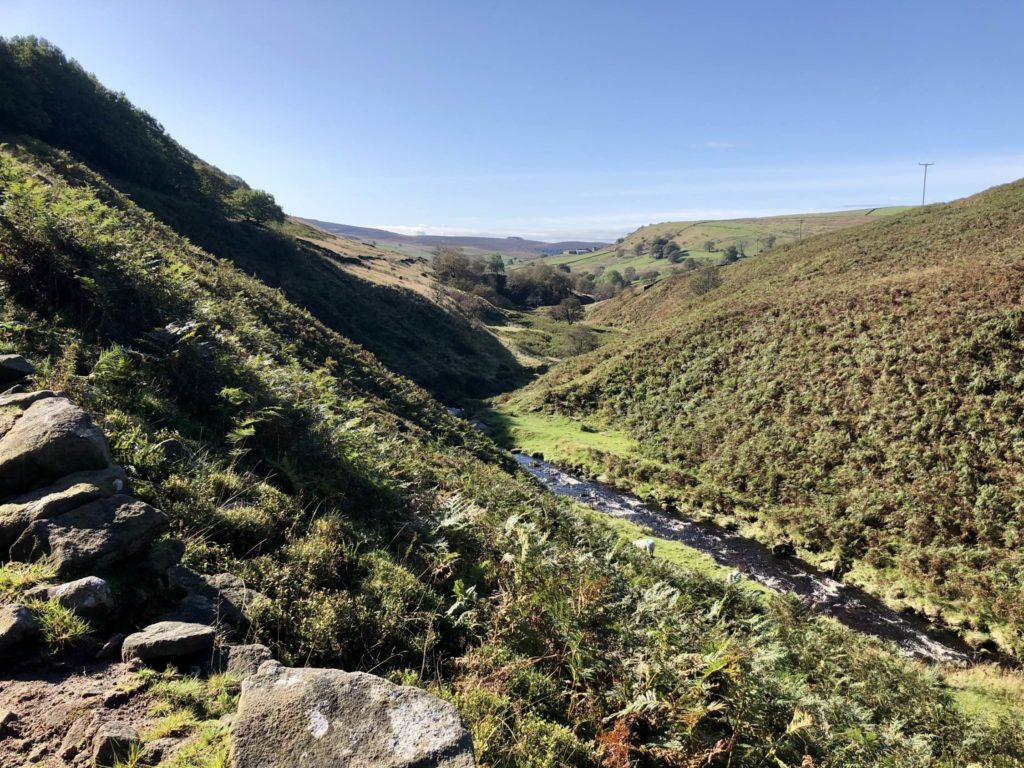
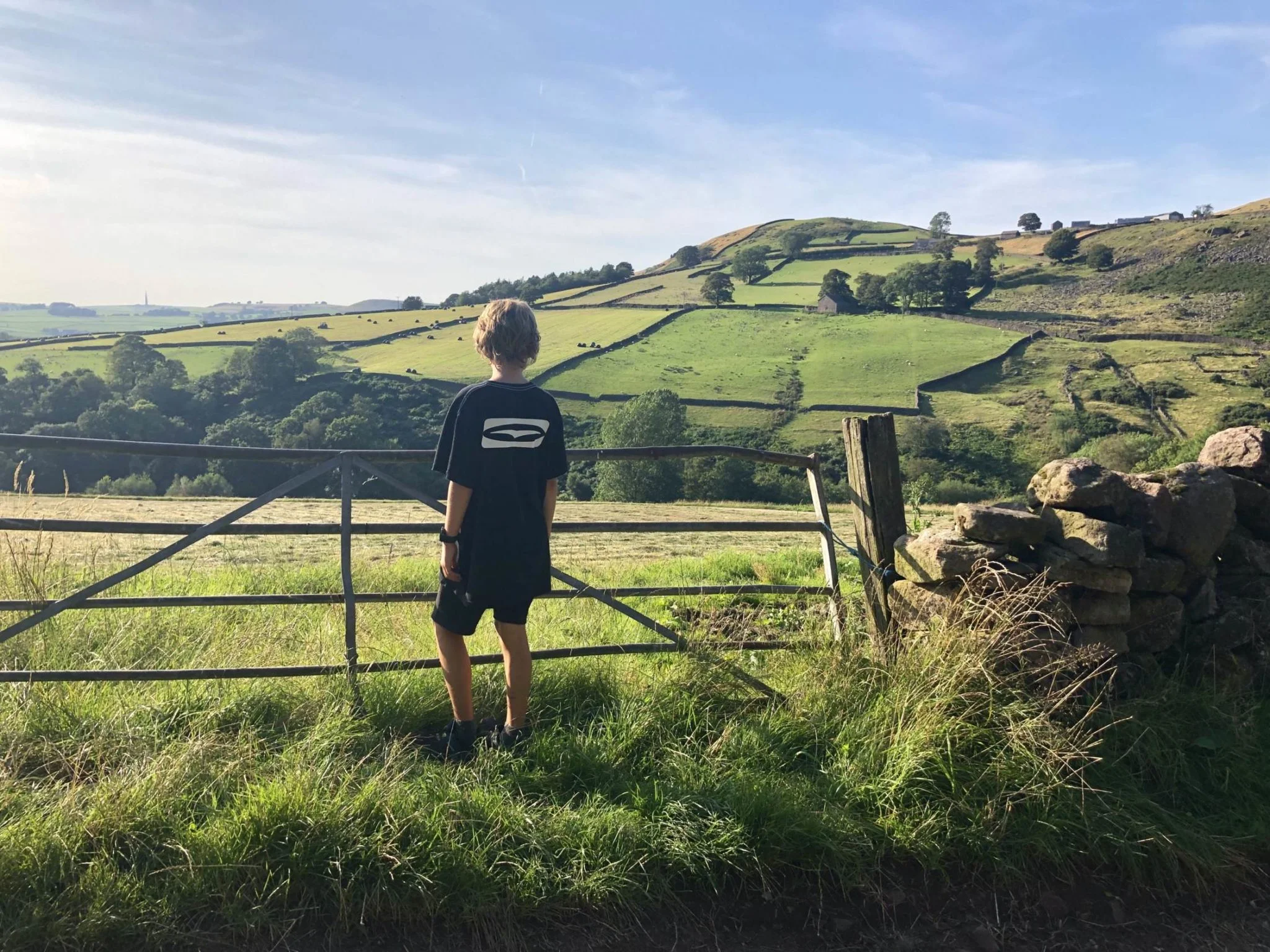
Quarnford is a small village (population 242 at the last census) and rural parish in the Staffordshire Moorlands, on the western edge of the Peak District National Park. Situated between Buxton and Leek, the parish includes the village of Flash, which has the accolade of being the highest village in England. It is surrounded by stunning open countryside with breathtaking views in all directions, looking over the moors of Staffordshire, the hills of Derbyshire and the Cheshire plain.
Planning a visit? Our comprehensive guide covers everything you need to know, from top attractions and walking routes to practical tips for making the most of your trip to this beautiful Staffordshire village.
The Highest Village in England
Flash Head, just east of the village, is the source of the Rivers Dove and Manifold, which flow on into the beautiful Manifold Valley and into Dovedale. In the other direction the River Dane rises to the north west of Flash.
🚌 Bus Routes Serving This Area
The following bus routes serve Flash & Quarnford and the surrounding area:
🚏 Nearby bus stops:
- Cisterns Clough (Adj) ↑ 108 (1.3 mi) → 108 Live TimesStreet View
🚏 Also on this route — places to visit along the way:
History
The name was first recorded in 1227 and is believed to be derived from the Old English ‘cweorn’, meaning a quern or millstone, and ‘ford’, meaning the crossing point of a river, the river in question being the River Dane. The name ‘Quarnford’ therefore probably referred to a crossing place of the river on a route for the transportation of millstones.
Historically, Quarnford was a township in the parish of Alstonefield. There are records of a settlement here since the early 1300s. A dairy farm was noted in the area as far back as 1308, and farming has always been the primary industry for the area, as it still is today.
Mining and Button Making
There is evidence of mining contributing to the area’s economy too, however, with coal pits in the Goldsitch Moss area noted in 1564 and coal workings at Black Clough in the north part of the township in 1602. There were 32 coal miners and colliers in the township recorded in 1851, a sizable proportion of the population. Mining continued until the early 20th Century, when the last mine in the area – Hope Colliery – closed in the late 1930s.
While the men and boys worked in the mines, it seems that the women and girls in Quarnford worked as button makers; there were 34 recorded in 1851. Buttons were still made by hand in Quarnford and Flash until the start of the 20th Century.
Quarnford Today
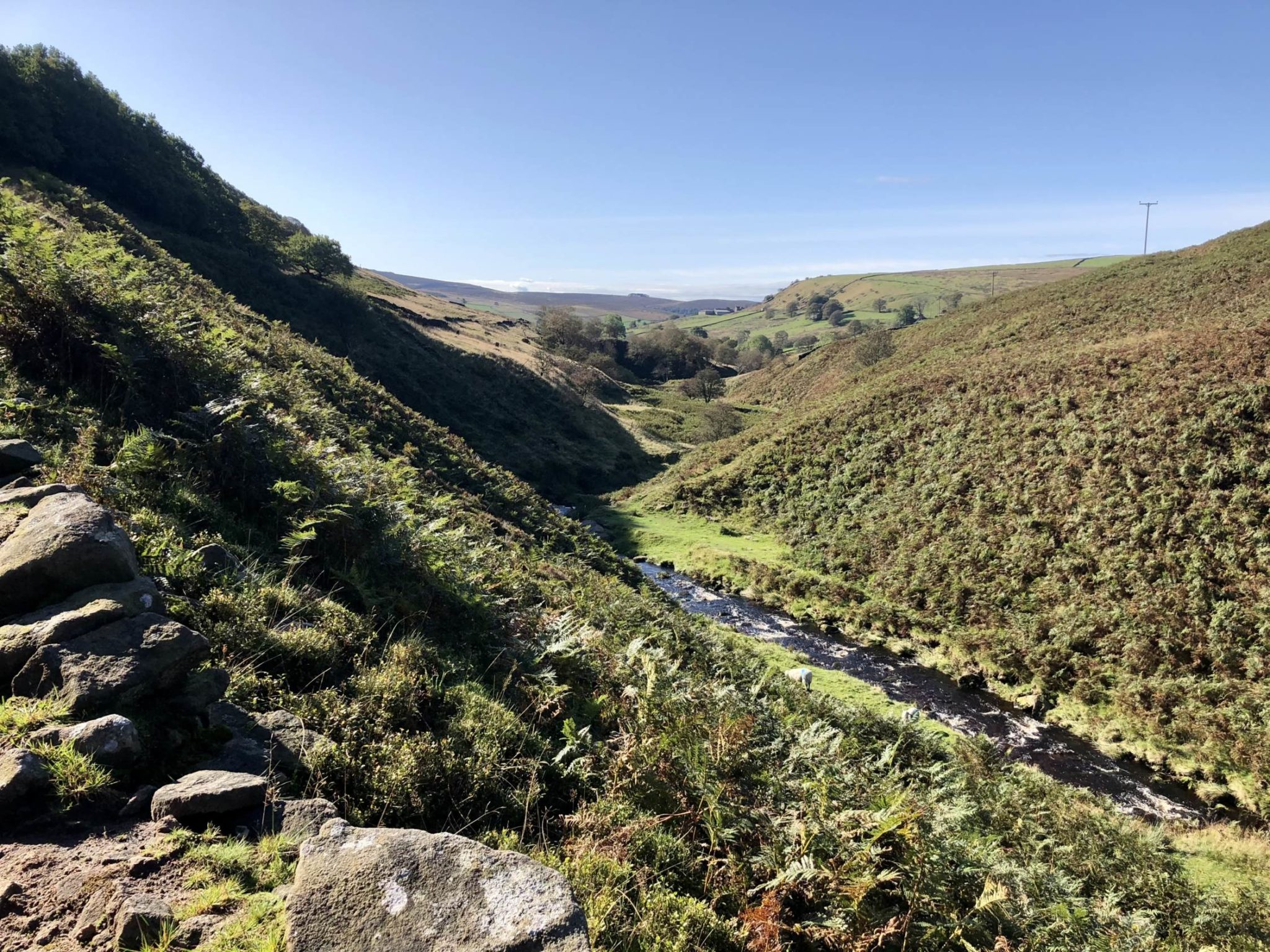
Quarnford today is a small but beautiful settlement, overshadowed by the larger neighbouring village of Flash, which boasts a shop, a pub, and a church. It is a peaceful, pretty area to visit, with walks to the beauty spot of Three Shire Heads and on to the rocky ridges of the Roaches.

Where to Stay in Flash and Quarnford
Flash and Quarnford offer a range of accommodation options to suit all budgets and preferences. From charming guest houses to self-catering cottages, there is something for every visitor.
Accommodation Options
- Charming guest houses and B&Bs
- Self-catering cottages in the surrounding countryside
- Camping and caravan sites nearby
Top Tips for Your Flash and Quarnford Visit
- Best Time to Visit: Spring and summer offer the best weather for exploring the moors and the Roaches. Autumn brings stunning colours to the surrounding countryside.
- Getting There: Flash and Quarnford are accessible by car via the A53, located between Buxton and Leek.
- Parking: There is parking available in the area, including near Flash and the Roaches.
- Don’t Miss: Flash Head, the source of the Rivers Dove and Manifold, and the rocky ridges of the Roaches.
- Explore: The beauty spot of Three Shire Heads and the surrounding moorland offer excellent walking opportunities.
Frequently Asked Questions About Flash and Quarnford
Is Flash the highest village in England?
Yes, Flash has the accolade of being the highest village in England, situated on the western edge of the Peak District.
What is the history of the name Quarnford?
The name Quarnford is believed to be derived from the Old English ‘cweorn’ (quern or millstone) and ‘ford’ (crossing point of a river), referring to a crossing place for the transportation of millstones.
What is Flash Head?
Flash Head, just east of the village, is the source of the Rivers Dove and Manifold, which flow into the Manifold Valley and Dovedale.
What was the economy of Quarnford historically?
Quarnford’s economy was historically based on farming, coal mining, and button making. The last mine closed in the late 1930s.
What is there to do in Quarnford today?
Quarnford is a peaceful area with walks to Three Shire Heads and the rocky ridges of the Roaches, offering stunning views across Staffordshire, Derbyshire and Cheshire.
Is there a pub in Flash?
Yes, Flash boasts a shop, a pub, and a church, making it the larger of the two neighbouring villages.
For more information about visiting the area, explore the official Peak District National Park visiting guide and plan your adventure in this remarkable part of Staffordshire.