



Curbar: A Very Pretty Village Beneath the Gritstone Edge
The very pretty village of Curbar lies on a hillside, perfectly positioned overlooking the River Derwent, sheltering under the mighty gritstone edges of Curbar Edge and Baslow Edge.
Planning a visit? Our comprehensive guide covers everything you need to know, from top attractions and walking routes to practical tips for making the most of your trip to this beautiful Derbyshire village.
Ancient History
This is an ancient village, growing at a crossing point of the River Derwent and the packhorse route between Sheffield and Manchester. Bar Road, one of the main roads through the village, is an old Roman packhorse road. The village has an interesting history in more modern times too; the Great Plague came to Curbar in the 1630s, more than 30 years before it broke out in London and in the famous local plague village of Eyam. The Cundy Graves, found just above the village, relate to a family of five from Curbar who all died of the plague in 1632.
🚌 Bus Routes Serving This Area
The following bus routes serve Curbar and the surrounding area:
🚏 Nearby bus stops:
- Bridge (SE-bound) ↘ 66 X66 257 257B BLUE (0.3 mi) → 66, X66, 257, 257B Live TimesStreet View
- Bridge (NW-bound) ↖ 66 X66 257 257B BLUE (0.4 mi) → 66, X66, 257, 257B Live TimesStreet View
- Cliff College (Adj) ↓ 66 X66 257 257B BLUE (0.5 mi) → 66, X66, 257, 257B Live TimesStreet View
- Cliff College (Opp) ↑ 66 X66 257 257B BLUE (0.5 mi) → 66, X66, 257, 257B Live TimesStreet View
🚏 Also on this route — places to visit along the way:
The Duke of Rutland’s Estate
For centuries Curbar was part of the Duke of Rutland’s estate. In 1927 he sold the village by public auction, and most of the then-tenants living in the area were able to buy their own properties and land. In many cases, the family descendants still live in the houses to this day.
Curbar Today
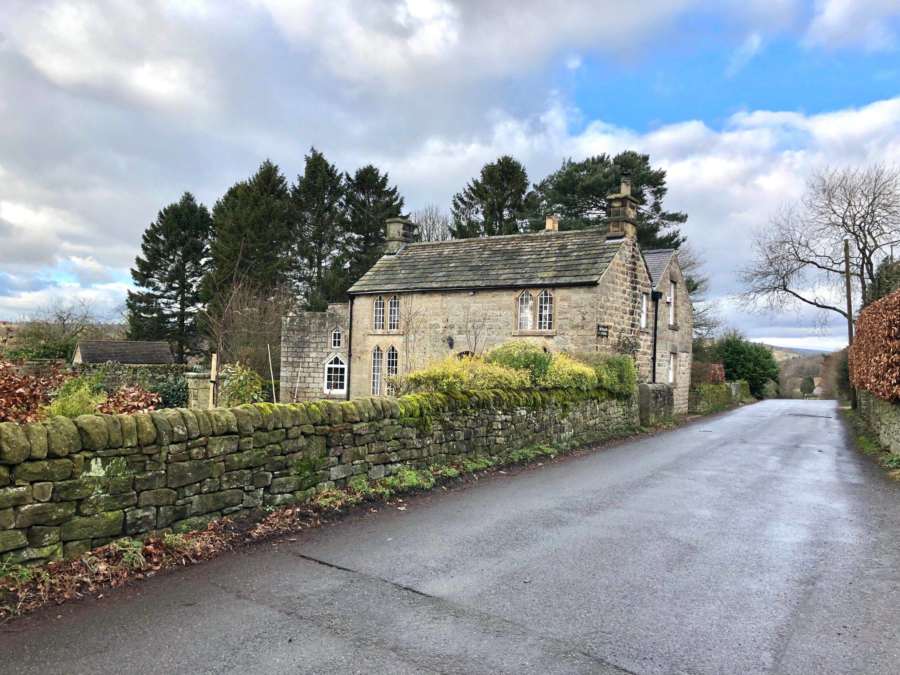
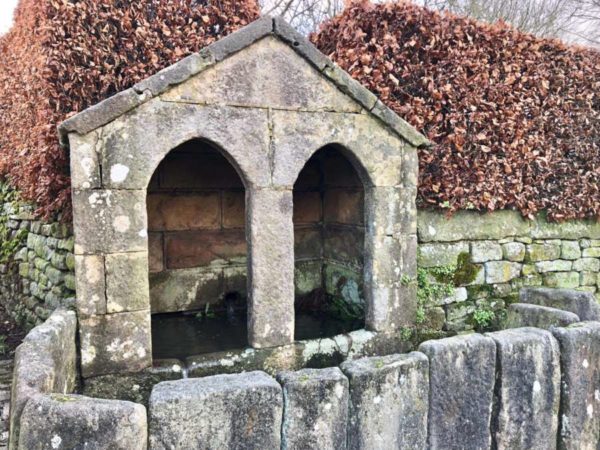
Today, the centre of the village is small, with a cluster of lovely stone cottages at its heart. There is an unusual well surrounded by millstones, at one point the main water supply for the village. The village church and school are closer to Calver Bridge than Curbar, and shared with the village of Calver. Spreading out from the centre of the village are lanes of very exclusive, large houses; Curbar has the highest average house value in Derbyshire.
Curbar Edge
The magnificent gritstone edifice of Curbar Edge towers high above the village but is very accessible from Bar Road, one of the main roads through the village. The terrain on the Edge is uneven but there are well-made paths, and the views along the Derwent Valley are spectacular. The Edge is popular with rock climbers and paragliders.

Where to Stay in Curbar
Curbar offers a range of accommodation options to suit all budgets and preferences. From charming guest houses to self-catering cottages, there is something for every visitor.
Accommodation Options
- Charming guest houses and B&Bs
- Self-catering cottages in the village and surrounding countryside
- Camping and caravan sites nearby
Top Tips for Your Curbar Visit
- Best Time to Visit: Spring and summer offer the best weather for exploring the edge. Autumn brings stunning colours to the Derwent Valley.
- Getting There: Curbar is accessible by car via the B6054, located between Bakewell and Sheffield.
- Parking: There is parking available in the village, including near Bar Road and Curbar Edge.
- Don’t Miss: The unusual well surrounded by millstones, the Cundy Graves, and the spectacular views from Curbar Edge.
- Explore: Curbar Edge is accessible from Bar Road and offers spectacular views along the Derwent Valley.
Frequently Asked Questions About Curbar
Is Curbar worth visiting?
Absolutely! Curbar is a very pretty village with stunning views over the Derwent Valley, a fascinating history, and easy access to the magnificent Curbar Edge.
What is Curbar famous for?
Curbar is famous for its position beneath Curbar Edge, its ancient history as a packhorse crossing point, and having the highest average house value in Derbyshire.
What is the history of the plague in Curbar?
The Great Plague came to Curbar in the 1630s, more than 30 years before it broke out in London and Eyam. The Cundy Graves relate to a family of five who all died of the plague in 1632.
What are the Cundy Graves?
The Cundy Graves, found just above the village, relate to a family of five from Curbar who all died of the plague in 1632.
What is the unusual well in Curbar?
There is an unusual well in the centre of the village surrounded by millstones, which was once the main water supply for the village.
What is Curbar Edge?
Curbar Edge is a magnificent gritstone escarpment towering above the village. It is accessible from Bar Road and offers spectacular views along the Derwent Valley. It is popular with rock climbers and paragliders.
For more information about visiting the area, explore the official Peak District National Park visiting guide and plan your adventure in this remarkable part of Derbyshire.